Neighbourhoods
Mouraria, and how one hill became the most mixed part of the city
A steep tangle behind the castle hill that has absorbed newcomers for centuries and is doing it again. It is also where the tourist route stops abruptly.

The points below about mouraria are ordered by how much difference they make, not by how often they get repeated.
What matters most
- The street pattern is medieval and was never regularised.
- A single shopping lane can serve half a dozen different communities.
- It sits directly beside the busiest visitor route and feels nothing like it.
The shape of the hill
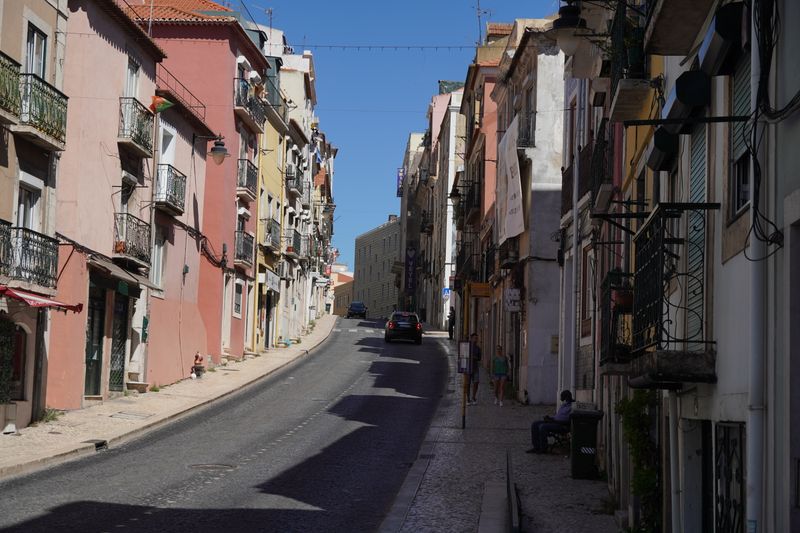
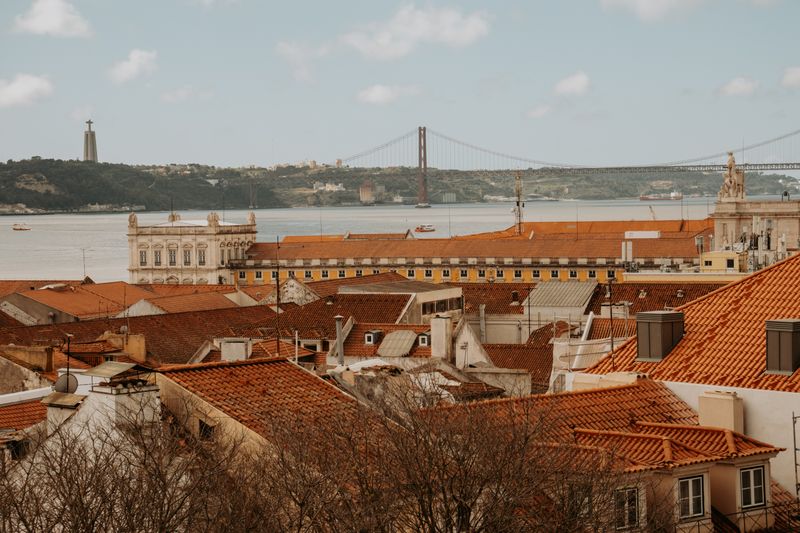
The quarter climbs the back of the castle hill in a tangle of lanes, steps and dead ends that no planner ever straightened out. Streets follow the gradient rather than any grid, so two doors that are metres apart on a map can be a long climb apart on foot. Buildings are narrow and deep, with staircases so tight that furniture has historically arrived through windows rather than through doors.
The lower edge meets a busy road, and that boundary is abrupt enough that people cross it without realising they have changed neighbourhood. Because the lanes are enclosed and the walls are high, the quarter holds cool air in summer mornings and holds cooking smells all day.
Why newcomers settle here
Small old flats in a central location have been the cheapest way into the city for a very long time, and that is the whole mechanism. Ground floors are numerous and tiny, which makes them viable for a first business with almost no capital behind it. Arrivals tend to follow people they already know, so one family establishing itself becomes a reason for the next dozen to choose the same streets.
The useful part is this: being able to walk to work in the centre matters enormously when a transport pass is a meaningful share of a first wage. The same three conditions — cheap, central, small — have produced this pattern in inner districts of cities all over the world.
What that looks like on a shopping lane
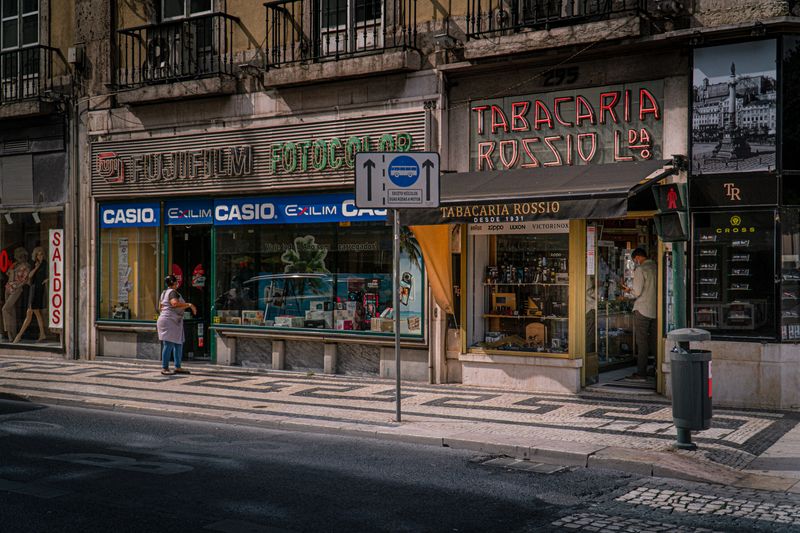
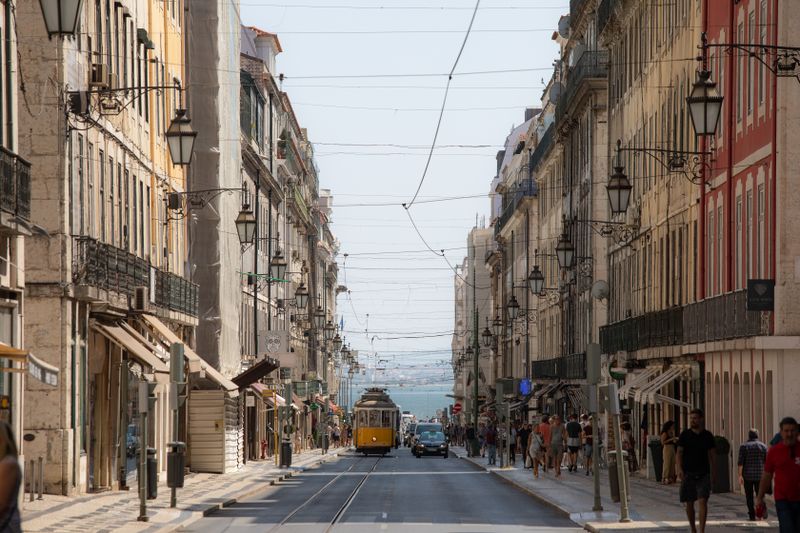
A single short street can hold grocers stocking ingredients for several different cuisines, often within a few doors of each other. Money transfer counters, phone unlocking, cheap luggage and international calling cards cluster together because they all serve the same practical need. Restaurant menus are frequently untranslated, not to exclude anyone, but because the customers they were written for do not need a translation.
Shop signage often runs in two or three scripts, which is the quickest visual test of how many communities a street is actually serving. Prices in these shops are set for people buying weekly staples rather than souvenirs, which is why residents from other quarters come here to stock up.
Walking it
The gradient is genuinely steep and the surface is old stone, so this is a quarter to walk in shoes with some grip and no hurry. Getting lost is normal and mostly harmless, because every lane eventually delivers you either up to the castle wall or down to the main road. Some lanes read as public and some read as an extended hallway, and the difference is usually obvious from laundry, chairs and doors left open.
The useful part is this: photographing washing lines and doorways is the single behaviour residents mention most often as wearing, so it is worth thinking about what you point a camera at. Small squares appear without warning and are the natural places to stop, because they are where the quarter puts its benches and its shade.
The heritage layer
The quarter is strongly associated with fado, and that association is real rather than manufactured, going back generations in these specific streets. Plaques, murals and marked walking routes now tell that story to visitors, which brings attention and money into lanes that had neither.
The risk of packaging a neighbourhood as a story is that the story becomes the product and the residents become scenery within it. Locally run cultural associations have pushed back on that by programming events for people who live here rather than for people passing through. A visitor can take the same side simply by spending money in ordinary shops rather than only in the places the route points at.
Pressure and the near future
The quarter sits minutes from the most visited streets in the city, and that proximity is now its defining economic fact. Renovating a small central flat for short lets produces more income than renting it to a household, and owners respond to that arithmetic. The result is not a sudden replacement but a slow thinning, where each flat that changes use removes one family from the school and the grocer.
Against that, a substantial resident population remains, community organisations are unusually active, and some buildings are protected from conversion. The honest summary is that the outcome is undecided, and anyone telling you the quarter has already been lost has not walked it on a weekday morning.
Everything above, in order of what to do first
- The shape of the hill. The quarter climbs the back of the castle hill in a tangle of lanes, steps and dead ends that no planner ever straightened out.
- Why newcomers settle here. Small old flats in a central location have been the cheapest way into the city for a very long time, and that is the whole mechanism.
- What that looks like on a shopping lane. A single short street can hold grocers stocking ingredients for several different cuisines, often within a few doors of each other.
- Walking it. The gradient is genuinely steep and the surface is old stone, so this is a quarter to walk in shoes with some grip and no hurry.
- The heritage layer. The quarter is strongly associated with fado, and that association is real rather than manufactured, going back generations in these specific streets.
- Pressure and the near future. The quarter sits minutes from the most visited streets in the city, and that proximity is now its defining economic fact.
The takeaway
Walk up the back of the hill on a weekday morning. That is the version worth knowing.
The version you keep doing is the version that works.
Questions readers ask
Is it safe to walk around?
Yes, with the ordinary urban caution you would use anywhere. The lanes are residential and busy with people going about their day.
How is it different from the castle side of the hill?
The castle side is organised around visitors and viewpoints. This side is organised around people who live there, and the shops make that obvious.
Also by Inês Carvalho
- How to order coffee in Lisbon without overthinking itCafés & Coffee
- The hills are the transport systemPracticalities
- Sintra in a day, done properlyDay Trips
- What catches visitors outPracticalities