Day Trips
Sintra in a day, done properly
The day trip everyone takes, and the one most commonly ruined by trying to see everything.
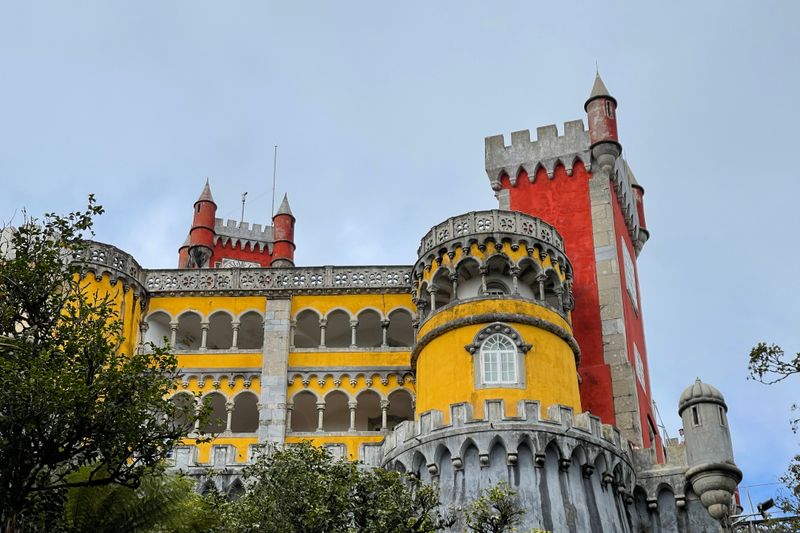
The points below about visiting Sintra are ordered by how much difference they make, not by how often they get repeated.
What matters most
- Two sites in a day is realistic; four is not.
- The train is straightforward and the bus queues are the bottleneck.
- Booking timed entry in advance is now effectively necessary in season.
The mistake is the itinerary
Sintra has several major sites spread across steep wooded hills, and the distance between them is the constraint. Attempting four in a day produces a day spent queueing and travelling rather than looking at anything. Two, chosen deliberately, is the realistic and far more enjoyable plan.
The sites sit on separate shoulders of the same hill, joined by one narrow looping road that every bus, taxi and private car has to share, so the travel time between them expands as the day fills rather than staying fixed.
Getting there is easy
Regular trains run from Lisbon and take well under an hour, covered by the ordinary transport card. Driving is the harder option — parking is limited and the roads around the hill are narrow and congested. The train is almost always the right choice.
The station sits a walk below the historic centre rather than inside it, and the late-afternoon services are the crushed ones, so travelling back either side of the general exodus is noticeably more comfortable.
The bottleneck is on arrival
Buses from the station up to the palaces are the constraint, with long queues in season. Walking up is possible and steep; taxis and rideshare are available and priced accordingly.
Put simply, arriving early is the single most effective way to avoid the worst of it. The hill service generally runs as a one-way loop, so boarding at an intermediate stop is a matter of luck and stepping off at the wrong point can commit you to the whole circuit again; riding up and walking down is the version that reliably works.
Book timed entry
Major sites now use timed entry and sell out in advance during busy periods. Buying on the day in season frequently means being turned away or given a slot hours later.
Where it helps most, booking the first slot of the morning is the version of this that works best. A slot usually governs the moment you pass the gate rather than any queue inside the building, so a busy entry can still mean waiting once you are through, and arriving after your window has closed is not always forgiven.
Consider the quieter options
Several of the smaller estates and gardens are substantially less crowded and are genuinely worth a visit. The town itself and the surrounding woodland walks are pleasant and free.
A day built around one major site plus something quiet is usually better than two famous ones. Several of the smaller estates are close enough to the town to reach on foot, which removes the bus problem entirely, and they rarely sell out, which makes them the dependable answer on a day when the headline site is fully booked.
Adjust the size of it until it is something you would actually do tired.
The hill makes its own weather
The range catches moisture coming off the Atlantic, which is why the woods are so dense and why the hilltop can be sitting inside a cloud while the city behind it is clear and hot. It runs cooler than Lisbon and is usually windier at the top, so the layer that seemed absurd when you boarded the train is frequently the thing you are grateful for by mid-morning. That same damp is why the garden paths stay slippery long after rain has stopped, particularly the mossed stone steps and the stretches that never see direct sun.
The useful part is this: checking a forecast for the hill rather than for the city is the step most people skip, and it is the difference between a famous view and an hour standing in white nothing.
Everything above, in order of what to do first
- The mistake is the itinerary. Sintra has several major sites spread across steep wooded hills, and the distance between them is the constraint.
- Getting there is easy. Regular trains run from Lisbon and take well under an hour, covered by the ordinary transport card.
- The bottleneck is on arrival. Buses from the station up to the palaces are the constraint, with long queues in season.
- Book timed entry. Major sites now use timed entry and sell out in advance during busy periods.
- Consider the quieter options. Several of the smaller estates and gardens are substantially less crowded and are genuinely worth a visit.
- The hill makes its own weather. The range catches moisture coming off the Atlantic, which is why the woods are so dense and why the hilltop can be sitting inside a cloud while the city behind it is clear and hot.
The takeaway
Book the first slot, pick two sites, and leave the rest for another visit.
Pick the one that costs you least, and let the rest wait.
Questions readers ask
Can I do Sintra and the coast in one day?
It is possible and rushed. Both deserve their own day, and combining them typically means seeing neither properly.
Is the day worth it in winter?
Often better — fewer crowds, and the mist that frequently sits on the hill suits the place. Bring waterproofs and expect shorter opening hours.
Also by Inês Carvalho
- How to order coffee in Lisbon without overthinking itCafés & Coffee
- The hills are the transport systemPracticalities
- What catches visitors outPracticalities
- The tourist tram, and what to ride insteadPracticalities