Cafés & Coffee
How to order coffee in Lisbon without overthinking it
The vocabulary is small, the coffee is cheap, and standing at the counter costs less than sitting down.

Everything below about ordering coffee comes from what actually happens rather than from what is supposed to.
What holds up in practice
- A plain espresso is the default and is what most orders mean.
- Prices differ by where you drink it — counter, table, terrace.
- Coffee is a short pause rather than a long sitting.
The default is an espresso
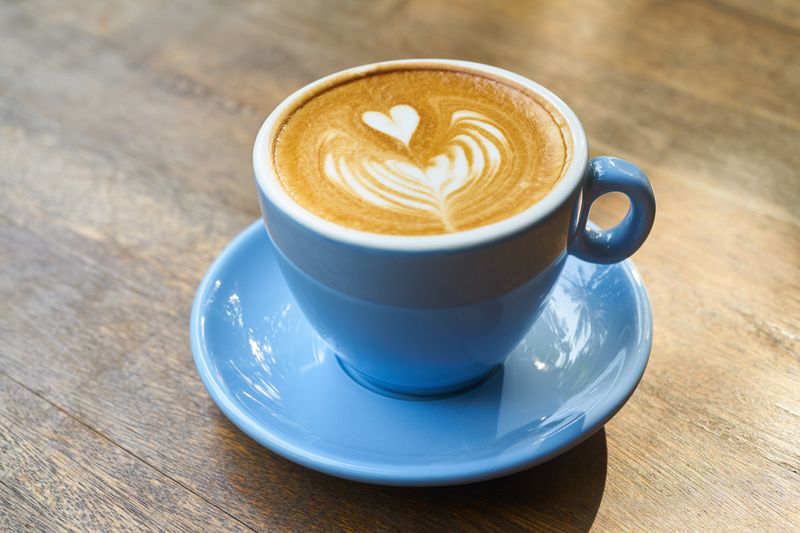
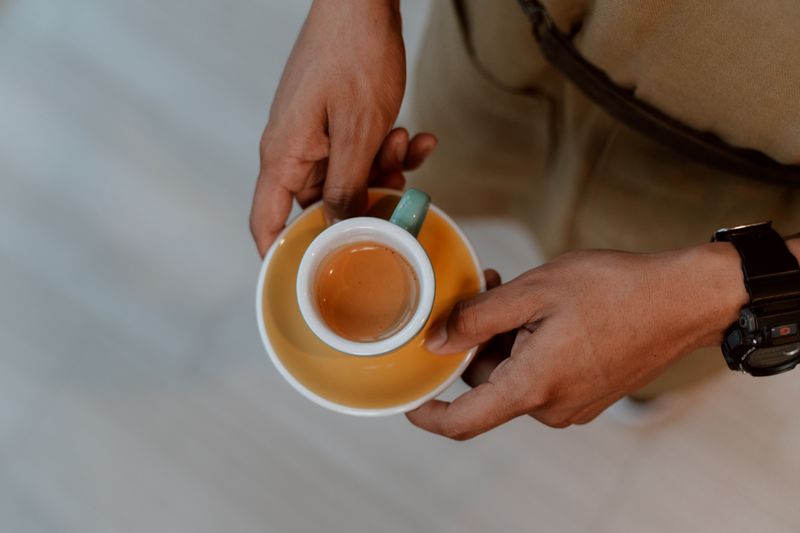
Asking for a coffee will generally produce a small strong espresso, which is what most people drink and what most orders mean. Variations exist for a longer pour, a shorter one, and versions with a little or a lot of milk. You do not need to master the full vocabulary; two or three terms cover almost every situation.
The one genuine trap is regional: the affectionate local nickname for that small cup is not the same word used in the north of the country, so a term picked up in one city can draw a blank in the other.
Where you drink changes the price
Many cafés charge differently at the counter, at an inside table and on the terrace, and the difference can be substantial. The price list is usually displayed and states each tier, which is worth a glance before sitting down.
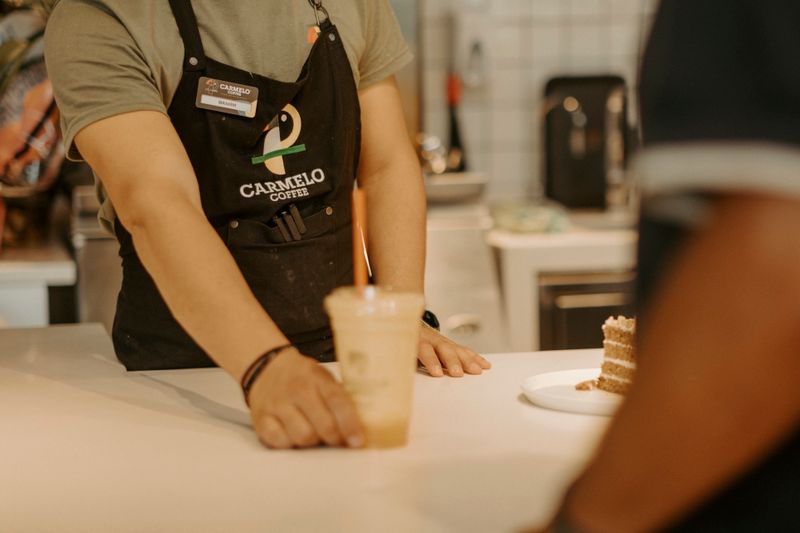
Standing at the counter is normal, quick and cheapest, and is what most locals do. The tier is set by where the drink is consumed rather than where it was ordered, so carrying a counter-priced cup out to a terrace table is the mistake that occasionally gets politely corrected.
It is a pause, not a session
Coffee here is typically drunk quickly, standing, several times a day. That is a different ritual from the long café sitting common elsewhere, and cafés are set up for it. Nobody minds if you linger; the rhythm of the room simply assumes you will not.
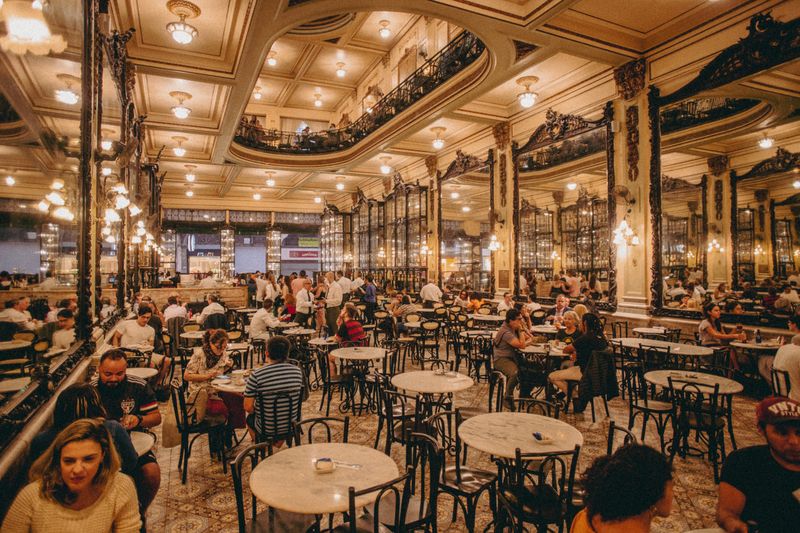
Put simply, the room is built for the short version — a long counter, few chairs, and a cup small enough to finish before it cools — which is why the tables can sit empty while the counter is three deep.
Pastry is part of it
A coffee and a small pastry is the standard mid-morning combination and remains inexpensive. The famous custard tart is best judged warm and dusted, and quality varies far more than the queues suggest.
Neighbourhood pastelarias frequently beat the celebrated addresses and cost half as much. The variable that matters most is time out of the oven rather than the recipe, so a counter baking small trays through the morning will beat one that filled its display at dawn, whatever its reputation.
Specialty coffee exists alongside
A specialty scene has grown substantially, with lighter roasts, filter options and higher prices. It is a different product rather than a better version of the same one, and both are worth using. Traditional cafés remain the everyday default for most residents.
They differ in the bean as much as in the roast, since the traditional blends lean on robusta for body and a heavy bitterness while the newer bars mostly pour arabica from a single origin.
Adjust the size of it until it is something you would actually do tired.
The milk drinks are the confusing part
Milk coffees here are distinguished mainly by the vessel and its size — a small cup, a tall glass, a large mug — rather than by any fixed ratio of milk to coffee. Asking for a latte can misfire badly, because the word sounds close enough to the local word for milk that you may be handed a glass of warm milk with no coffee in it at all.
Plant milks are routine in specialty bars and still patchy in traditional cafés, where the answer may be whatever single carton sits behind the counter. When a description fails, pointing at what somebody further along the counter is drinking works better than a longer sentence, and nobody treats it as an odd thing to do.
The takeaway
Order at the counter, drink it standing, and try the neighbourhood pastelaria before the famous one.
The version you keep doing is the version that works.
Questions readers ask
Is tipping expected?
Not in the way it is in some countries. Rounding up or leaving small change is common and generous rather than obligatory.
Can I get filter coffee?
In specialty cafés yes, readily. In traditional cafés it is uncommon, and asking for one will usually get you a longer espresso.
Also by Inês Carvalho
- The hills are the transport systemPracticalities
- Sintra in a day, done properlyDay Trips
- What catches visitors outPracticalities
- The tourist tram, and what to ride insteadPracticalities