Cafés & Coffee
Why the same beans taste different in two cafes
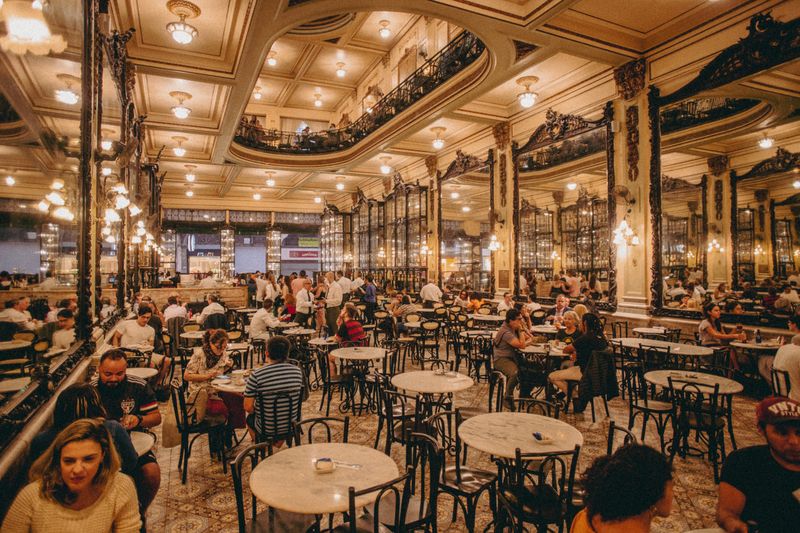
Identical coffee from the same roaster can land completely differently a hundred metres apart, and the reasons are mechanical.

Both approaches to variation between cafes work. What differs is what they cost you, and the cost is what this sets out.
The difference in one place
- Grind and dose are adjusted daily and differ between rooms.
- Water composition changes what dissolves out of the grounds.
- Beans taste different in the first week after roasting than in the fourth.
Grind is set locally, every day
A grinder is adjusted to the humidity, the bean age and the barista who set it that morning. A fractional change in grind moves the flow rate through the puck, and with it how much is dissolved.
Two cafés with the same beans will almost never be running the same grind setting. This single variable accounts for more difference than the machine, the roaster or the milk.
Dose and ratio drift
One bar may pull a heavier dose into a shorter cup and another a lighter dose into a longer one. The first tastes dense and syrupy, the second thinner and more acidic, from an identical bag.
On an ordinary week, neither is wrong, and neither is usually written down anywhere the customer can see. Asking what ratio a bar pulls is a normal question in a specialty place and a strange one in a traditional café.
Water is most of the drink
An espresso is overwhelmingly water, and the minerals in that water pull flavour compounds out of the grounds. Magnesium and calcium ions help extraction; excessive alkalinity flattens acidity and makes a bright coffee taste dull. Serious bars filter and sometimes remineralise, and the specification differs from one to the next.
A café that has just changed its filter cartridge will taste different from the same café a month later.
Freshness is a curve, not a line
Freshly roasted coffee releases carbon dioxide, which disrupts extraction and makes very young beans pull unevenly. Most espresso settles somewhere in the first weeks and then slowly loses aromatics. A café going through beans quickly is serving from a different point on that curve than a quiet one.
This is why a busy bar often tastes more consistent than a careful but slow one.
The machine and the routine
Group head temperature, pressure profile and how recently the machine was cleaned all move the result. Stale grounds left in a doser, an unpurged steam wand or a milk jug carrying residue all show up in the cup.
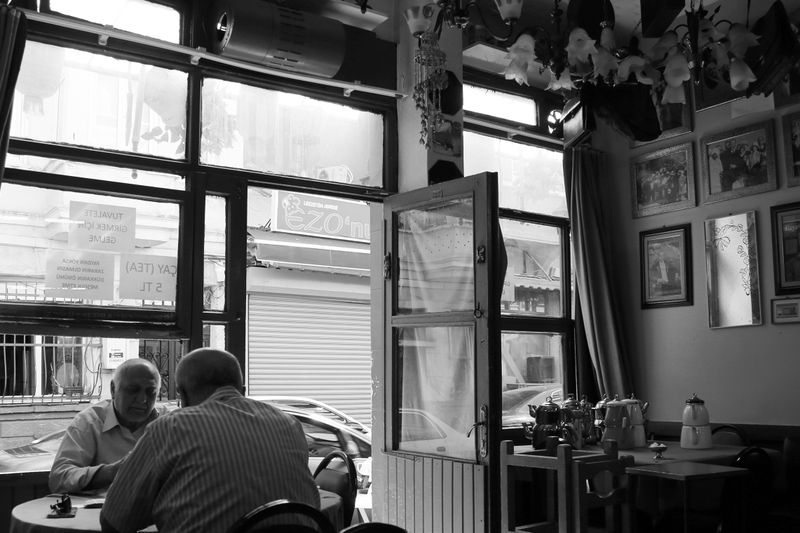
On an ordinary week, traditional cafés generally prioritise speed and volume; specialty bars prioritise repeatability. Those are different goals and they produce genuinely different drinks.
None of this is a substitute for talking to a clinician if something feels wrong.
What to do with this as a drinker
Stop treating a bean name as a promise, and treat it as one input among six. If a coffee you liked elsewhere tastes bad here, the beans are rarely the explanation. Order the drink the room is set up to make well rather than the one you make at home.
A café that is confident about its water and its ratios will usually tell you if you ask.
Side by side
| Consideration | What it means in practice |
|---|---|
| Grind is set locally, every day | Grind and dose are adjusted daily and differ between rooms. |
| Dose and ratio drift | Water composition changes what dissolves out of the grounds. |
| Water is most of the drink | Beans taste different in the first week after roasting than in the fourth. |
The takeaway
Same beans, different grind, water and week — that is the whole explanation.
Small and repeatable beats ambitious and abandoned, almost every time.
Questions readers ask
Can I ask a barista what went wrong with a coffee?
In a specialty bar, yes, and most will remake it. In a busy traditional café it is an unusual conversation and the answer will be short.
Does the cup itself matter?
A thick preheated cup holds temperature and a cold thin one drops it quickly, which changes how the first mouthful reads. It is a small effect next to grind and water.
Also by Helena Sá
- Alfama, Graça and the difference two streets makeNeighbourhoods
- Roast level is a decision about acidity, not about strengthCafés & Coffee
- Portuguese espresso is not a smaller Italian oneCafés & Coffee
- Grind is the dial that moves everything elseCafés & Coffee