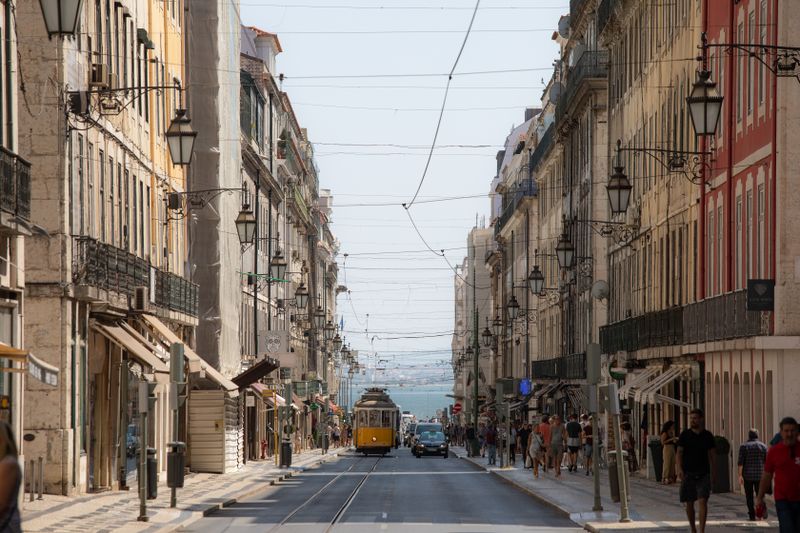
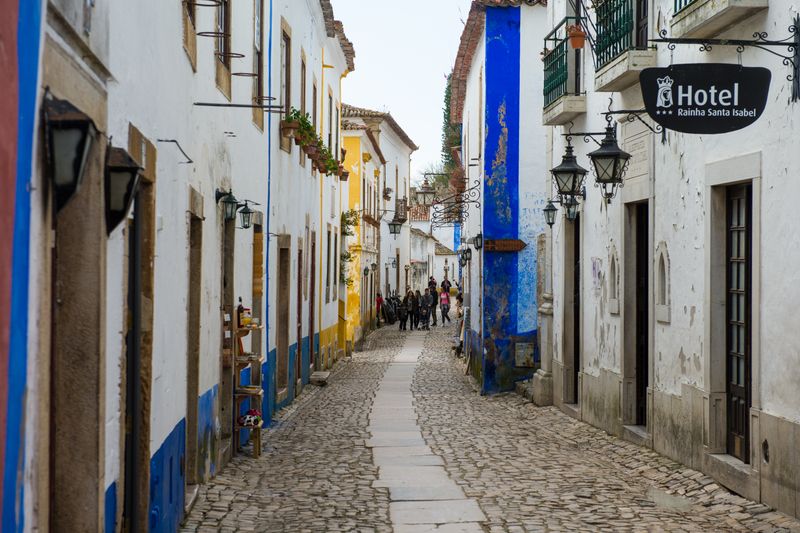
Neighbourhoods
Alfama, Graça and the difference two streets make
Neighbourhoods here change character over very short distances, and the guidebook version is usually one street.
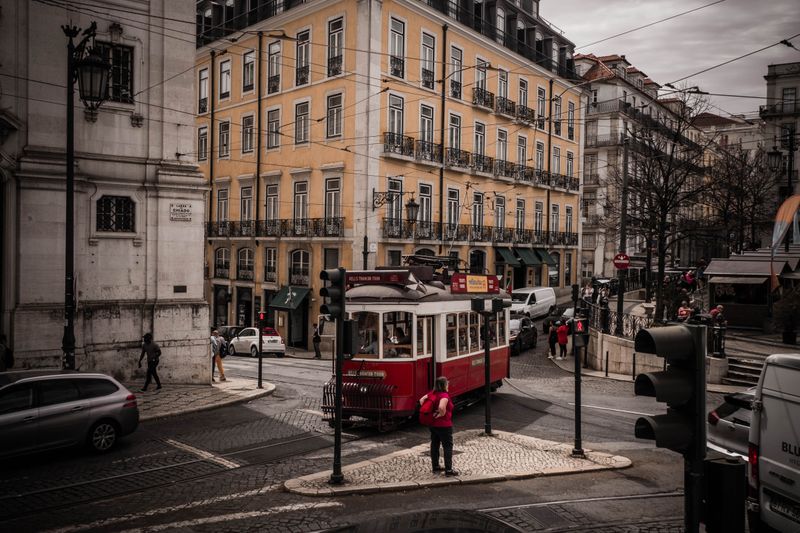
Both approaches to lisbon neighbourhoods work. What differs is what they cost you, and the cost is what this sets out.
The difference in one place
- The busy stretch of any neighbourhood is usually a single street.
- Staying uphill generally means quieter nights and more climbing.
- Character changes faster here than in most European cities.
The tourist street is one street
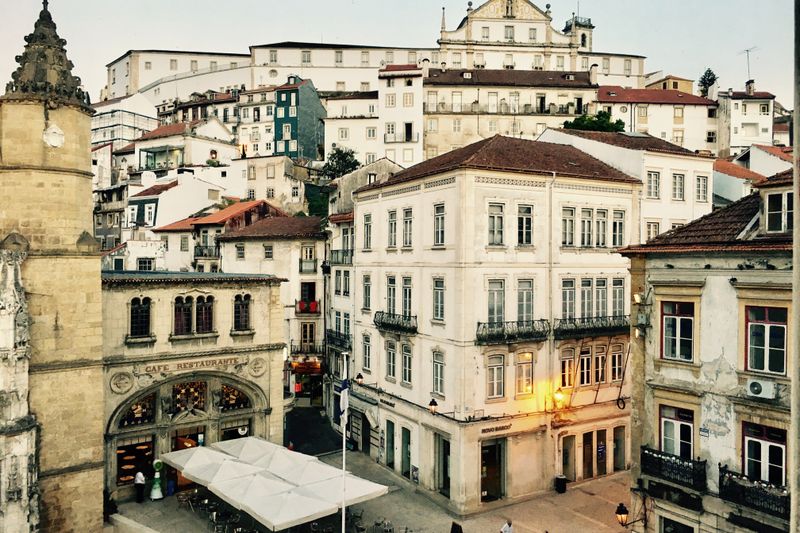
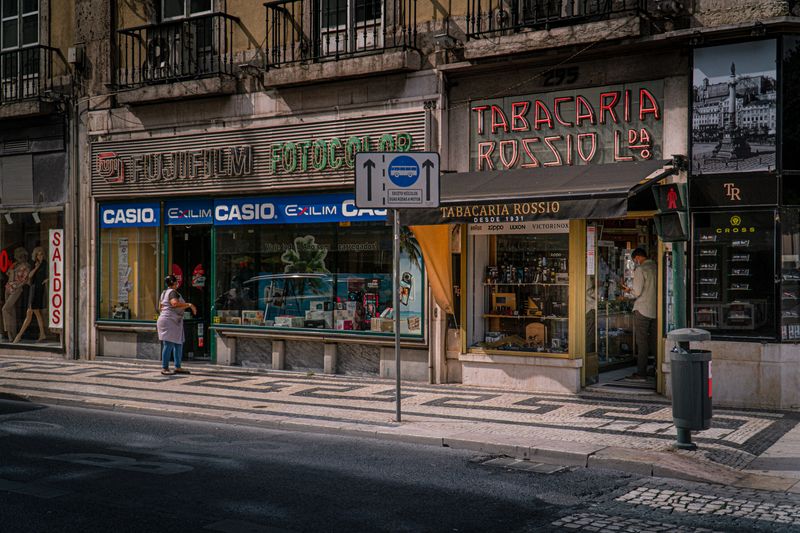
In most neighbourhoods the concentration of visitors is confined to a main route, and parallel streets are quiet. Walking one block away from the obvious line changes prices, noise and the composition of a café entirely.
This is the single most useful habit for anyone staying more than a couple of days. The line is usually drawn by something structural — a tram route, or the flattest path between two ticketed sights — which is why it is so predictable and why leaving it is a matter of one turn rather than a long walk.
Alfama rewards getting lost
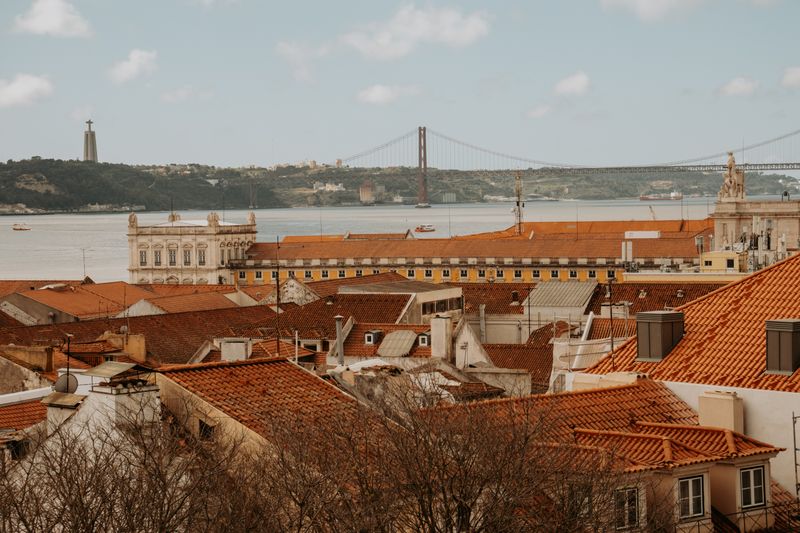
The old quarter is a dense network of lanes that does not follow any legible grid. Navigating by descent rather than by map works: downhill leads to the river and to orientation. It is residential, which means noise carries and late-night behaviour is genuinely intrusive to people living there.
On an ordinary week, the lanes are medieval because the hill is bedrock and came through the 1755 earthquake largely intact, while the flat town below was flattened and rebuilt to a plan, which is the whole reason two adjacent quarters feel like different centuries.
Graça sits above and is calmer
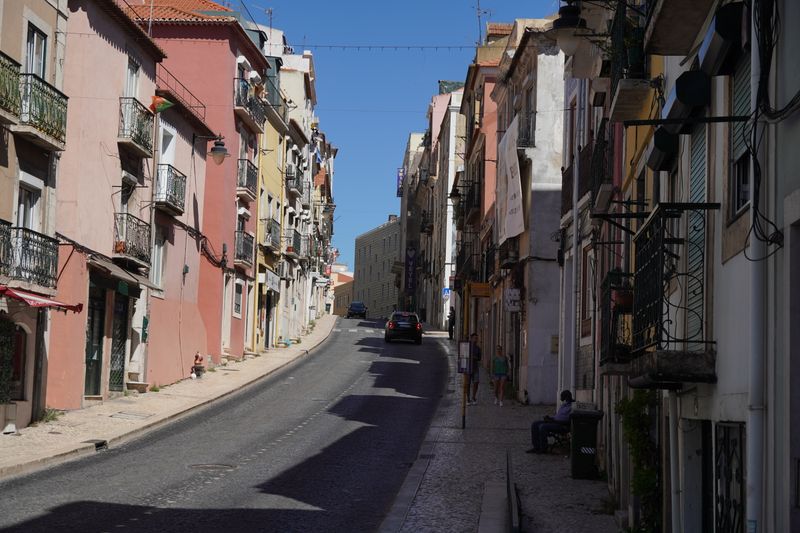
Higher up, the pace slows, prices drop and the viewpoints are less crowded. The trade is the climb, which is significant and constant. For a longer stay it is frequently the better base, particularly with a tram or lift nearby.
Where it helps most, the climb is not a one-off cost but a standing charge on everything you carry, groceries and laundry included, and that is what decides whether a hilltop base suits a fortnight as well as it suits a night.
The grid neighbourhoods are a different city
The rebuilt lower town is regular, flat and commercial, and the nineteenth-century avenues north of it are wide and green. These areas are where much of the everyday city happens and are largely skipped by short visits.
For most people, they are also considerably easier to walk. The regularity was never an aesthetic choice: the lower town was rebuilt after the earthquake to a standardised anti-seismic design, with uniform street widths and a timber frame hidden inside the masonry.
Where to stay depends on sleep
Central and historic means noise, particularly in summer when windows are open and terraces run late. Slightly out — one metro stop or one hill — buys quiet at very little cost in convenience. Reading reviews specifically for noise is more useful than reading them for anything else.
The detail worth asking about is which way the room faces, because an interior courtyard or a back lane stays quiet even on a loud street, and heavy wooden shutters do more for sleep than glazing does in a building that has none.
Some of this will suit you and some will not, and that is the point.
The names on listings are elastic
The neighbourhood names visitors use rarely line up with the administrative parishes, and nothing stops a listing from claiming whichever of two adjacent names sells better. The gap matters more here than in a flat city, because a place described as being in one quarter can be a hill and several flights of steps from the part of it you had pictured. Checking the actual pin on a map, then checking what sits directly uphill and downhill of it, tells you more than the name ever will.
The same elasticity works in your favour when searching, since a street a few minutes outside a fashionable name is often materially cheaper for an identical walk to everything.
Side by side
| Consideration | What it means in practice |
|---|---|
| The tourist street is one street | The busy stretch of any neighbourhood is usually a single street. |
| Alfama rewards getting lost | Staying uphill generally means quieter nights and more climbing. |
| Graça sits above and is calmer | Character changes faster here than in most European cities. |
The takeaway
Walk one street away from the busy one. That is where the neighbourhood actually is.
The version you keep doing is the version that works.
Questions readers ask
Which neighbourhood should I stay in?
For a first short visit, somewhere central and flat is easiest. For a longer stay, one stop out is usually quieter, cheaper and more interesting.
Is the old town safe at night?
Generally yes, with ordinary caution. Pickpocketing in crowds is the realistic risk rather than anything more serious.
Also by Helena Sá
- Roast level is a decision about acidity, not about strengthCafés & Coffee
- Why the same beans taste different in two cafesCafés & Coffee
- Portuguese espresso is not a smaller Italian oneCafés & Coffee
- Grind is the dial that moves everything elseCafés & Coffee