Cafés & Coffee
Portuguese espresso is not a smaller Italian one
The local cup shares a machine with Italy and very little else, from the bean up.
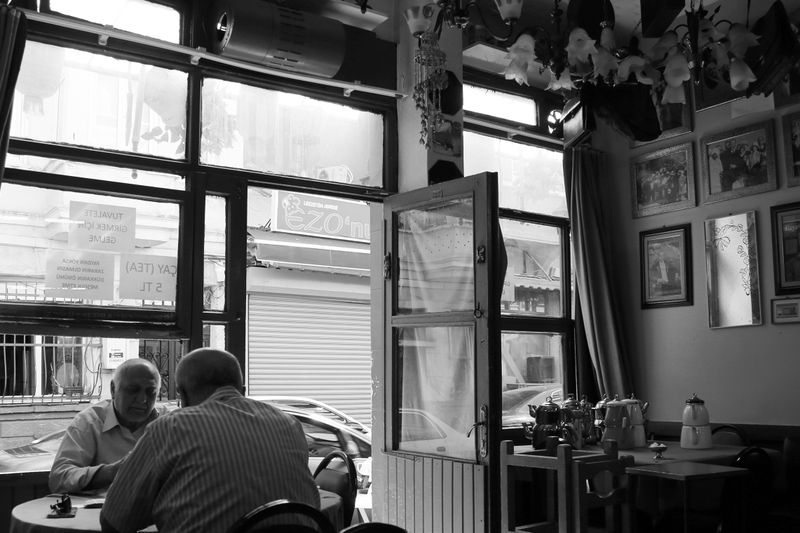
What follows is an argument about the Portuguese espresso tradition, and about where the received version of it stops being true.
The argument in brief
- Blends here have historically included robusta alongside arabica.
- The roast is generally darker than the Italian northern style.
- Sugar is assumed rather than requested.
A different bean history
Portugal built long trading relationships with coffee-growing regions in Africa and Asia, and robusta from those routes entered the domestic blend. Robusta gives more caffeine, more crema and a rubbery, grain-like bitterness that arabica lacks. It is cheaper, hardier and higher yielding, which is part of why it persisted in an everyday, high-volume cup.
Specialty roasters here now work almost entirely in arabica, which is one of the clearest lines between the two scenes.
The roast goes further
Traditional roasting takes the bean past the point where origin character survives, into caramel, cocoa and smoke. This flattens the difference between harvests, which is useful when you are supplying hundreds of cafés with a consistent product. It also produces a cup that stands up to sugar rather than being ruined by it.
Italian roasting varies enormously by region, so the comparison is really with a northern Italian style rather than with Italy as such.
Sugar is part of the recipe
A sachet arrives with the cup and stirring it in is the default rather than a compromise. Sugar suppresses bitterness and raises the perception of body, which suits a dark, robusta-inflected shot. Drinking it without is entirely normal and nobody comments either way.
Where it helps most, treating the sugar as an insult to the coffee misunderstands what the coffee was built for.
Volume and frequency
The cup is small, cheap and drunk several times a day rather than once as an event. That economics shapes everything upstream: the blend, the roast, the machine and the counter layout. A café is closer to a public utility than to a destination in most neighbourhoods.
Prices vary by establishment and by where you drink it, so check the posted list rather than assuming.
The vocabulary is local
The words for a longer pour, a shorter one, a splash of milk and a milkier version are Portuguese and do not map cleanly onto Italian terms. Using Italian words will usually be understood in the centre and will get a puzzled look elsewhere.
The regional split between the north and the capital in what a plain coffee is called is real and mildly contested. Learning three local words removes almost all friction.
None of this is a substitute for talking to a clinician if something feels wrong.
Two traditions, one city
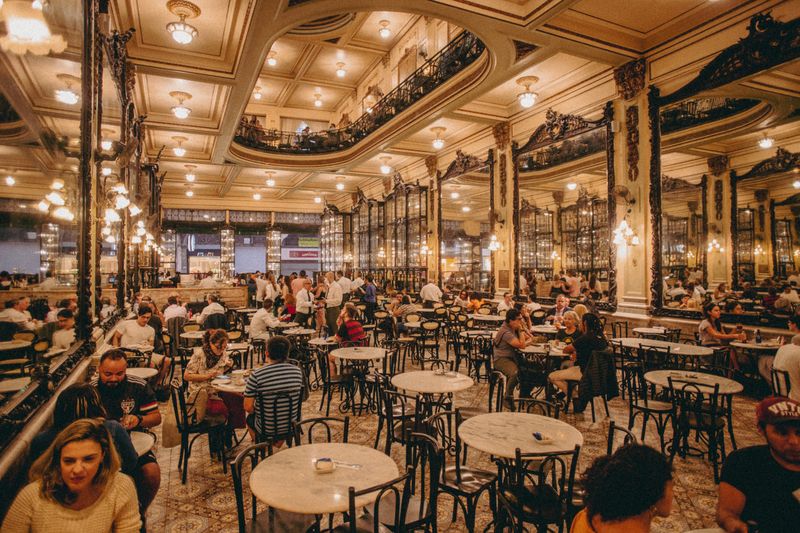
Specialty bars serving lighter arabica, filter and precise ratios have grown substantially over the last decade. They coexist with traditional cafés rather than replacing them, and the customer bases only partly overlap. Preferring one does not require dismissing the other, and the city is more interesting for having both.
The traditional cup remains the everyday default for most residents.
The takeaway
The machine is Italian. The bean, the roast, the sugar and the habit are not.
Small and repeatable beats ambitious and abandoned, almost every time.
Questions readers ask
Is robusta bad coffee?
It is a different species with a different flavour profile, and it can be well or badly grown like anything else. Specialty coffee has largely rejected it, but that is a stylistic position as much as a quality one.
Will I be judged for asking for milk?
No. Milk drinks are ordinary and widely drunk here. The only real difference is that they are smaller than the equivalents in many other countries.
Also by Helena Sá
- Alfama, Graça and the difference two streets makeNeighbourhoods
- Roast level is a decision about acidity, not about strengthCafés & Coffee
- Why the same beans taste different in two cafesCafés & Coffee
- Grind is the dial that moves everything elseCafés & Coffee