Cafés & Coffee
Espresso and filter are two answers to the same bean
Pressure, ratio and contact time separate them, and the split explains why a cafe good at one may be indifferent at the other.
These are listed in the order worth acting on, which with espresso and filter is not the order they are usually presented in.
What matters most
- Espresso is a concentration, not a stronger extraction.
- Paper filters remove oils that a metal basket lets through.
- Filter menus usually signal lighter roasts and a different bar setup.
Two variables, opposite settings
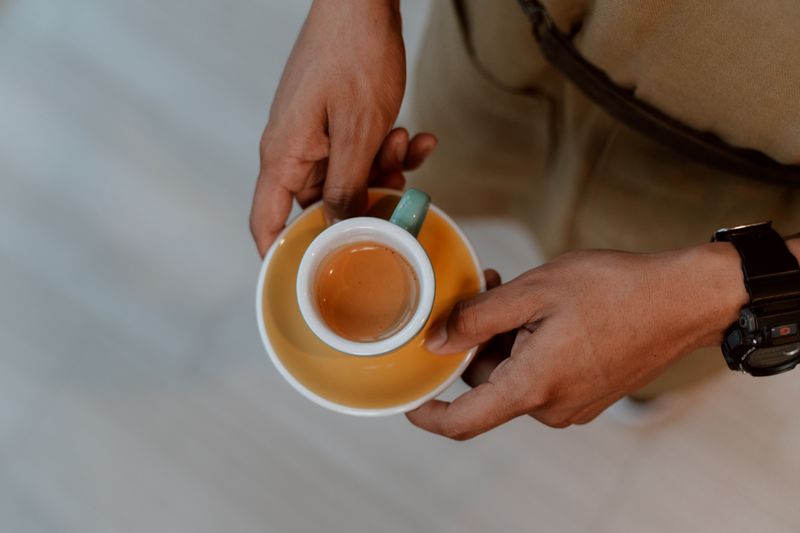
Espresso forces hot water through a compressed bed of fine coffee under high pressure for a very short time. Filter lets water pass slowly through a coarser bed under gravity for minutes rather than seconds. The espresso ends up with far more dissolved material per millilitre, which is what makes it taste intense.
The proportion of the coffee actually extracted is broadly comparable between the two; the concentration is not.
What the paper takes out
A paper filter traps most of the oils and fine particles, giving a clear cup with a lighter body. Metal and cloth filters let those through, which is why a cafetiere feels heavier in the mouth. Those oils carry diterpenes that some research has linked to raised cholesterol in people drinking a lot of unfiltered coffee, though the size of the effect is debated and depends on volume.
For anything health-related the sensible move is to raise it with a doctor rather than with a barista.
Body versus clarity
Espresso concentrates texture, crema and sweetness into a mouthful, and small faults are correspondingly amplified. Filter spreads the same coffee across a larger volume, which reveals aromatics and makes subtle differences between origins audible. A delicate, floral coffee often disappears in espresso and shines in filter.
For most people, a heavy chocolatey blend can taste flat and dull brewed as filter.
Why filter signals a lighter roast
Filter suits coffees with acidity and aromatic complexity, which is where lighter roasting is aimed. A dark traditional blend brewed as filter tends to read as ashy and thin. So a café offering a filter list is usually telling you which end of the roast spectrum it works at.
The useful part is this: the reverse is also true: a bar with no filter option is not a worse café, it is a different one.
Cost and speed are real constraints
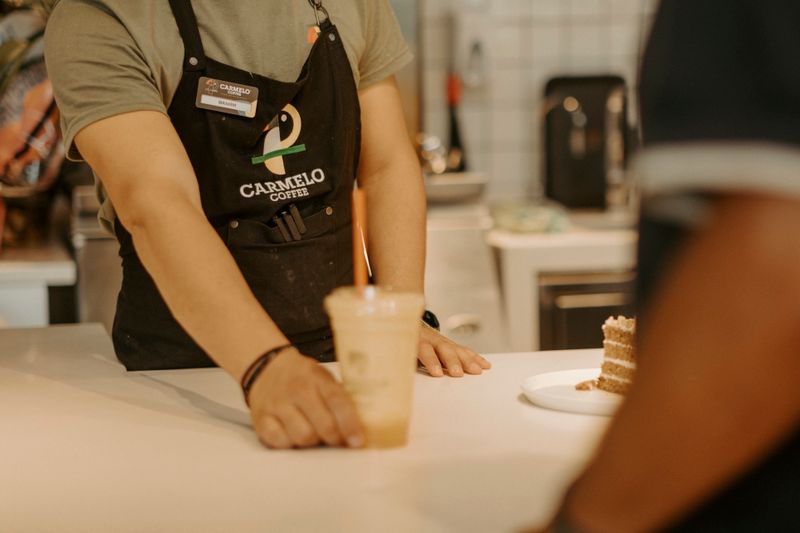
Espresso is fast, standardised and cheap to serve at volume, which fits the counter-and-go rhythm here. Filter takes minutes per cup and ties up a person, so it prices differently and suits a sitting-down room.
In practice, batch brew is the compromise: filter made in quantity in advance and poured on demand. Batch tastes best in the first stretch after brewing and declines noticeably as it sits on heat.
Choosing between them
If you want the local everyday experience, order the espresso at the counter and drink it standing. If you want to taste what a particular farm produced, order filter in a bar that lists origins.
Put simply, neither habit is a more serious form of coffee drinking than the other. Trying the same bean both ways in one sitting is the fastest way to understand the difference.
Everything above, in order of what to do first
- Two variables, opposite settings. Espresso forces hot water through a compressed bed of fine coffee under high pressure for a very short time.
- What the paper takes out. A paper filter traps most of the oils and fine particles, giving a clear cup with a lighter body.
- Body versus clarity. Espresso concentrates texture, crema and sweetness into a mouthful, and small faults are correspondingly amplified.
- Why filter signals a lighter roast. Filter suits coffees with acidity and aromatic complexity, which is where lighter roasting is aimed.
- Cost and speed are real constraints. Espresso is fast, standardised and cheap to serve at volume, which fits the counter-and-go rhythm here.
- Choosing between them. If you want the local everyday experience, order the espresso at the counter and drink it standing.
The takeaway
One concentrates, the other clarifies. The bean decides which flatters it.
Pick the one that costs you least, and let the rest wait.
Questions readers ask
Which has more caffeine?
A filter mug usually delivers more in total simply because it is much larger, even though the espresso is far more concentrated per millilitre.
Is an americano the same as filter coffee?
No. It is espresso diluted with hot water, so it keeps the espresso extraction profile and the darker roast character. Filter is brewed differently from the start.
Also by Inês Carvalho
- How to order coffee in Lisbon without overthinking itCafés & Coffee
- The hills are the transport systemPracticalities
- Sintra in a day, done properlyDay Trips
- What catches visitors outPracticalities