Practicalities
The hills are the transport system
Lisbon is built on slopes, and understanding the vertical layer changes how you move around it.
This looks at getting around Lisbon from the practical end — what holds up once conditions stop being ideal.
What holds up in practice
- Public lifts and funiculars are part of the transport network, not attractions.
- A route that looks short on a map can involve substantial climbing.
- Metro and tram serve different parts of the city and are not interchangeable.
Distance is not the constraint
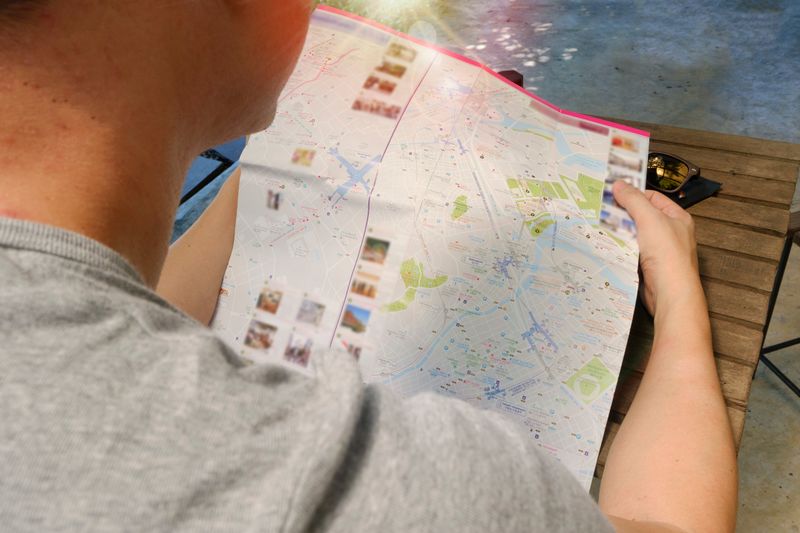
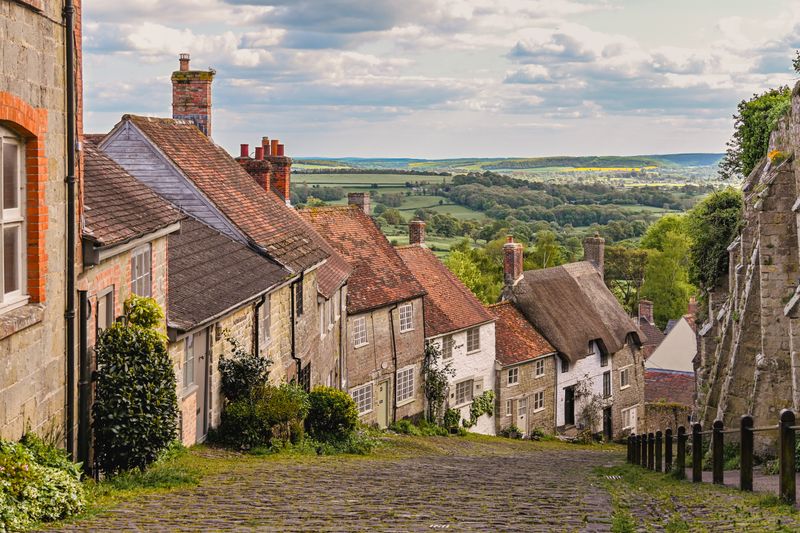
A journey of a few hundred metres can involve a climb equivalent to several flights of stairs. Map applications frequently underestimate this and route pedestrians up the steepest available line.
Checking the contour of a route before setting off is genuinely useful here in a way it is not in flatter cities. Descending is not the free half of the trip either, since sustained downhill on hard stone is what most people's knees start complaining about by the third day, and it is the direction in which falls happen.
Lifts and funiculars are transport
Several public lifts and funiculars connect lower and upper streets and are part of the ordinary network. They are used by residents to avoid climbs and are covered by transport passes in many cases. Treating them as infrastructure rather than sightseeing changes how you plan a day.
Put simply, they also stop running earlier in the evening than the metro does, which is the detail that catches people out on the way home rather than on the way up.
The metro is fast and partial
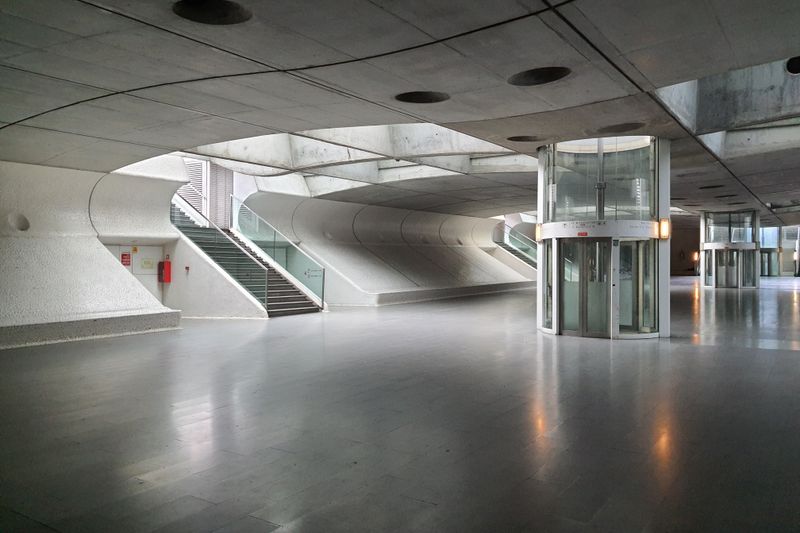
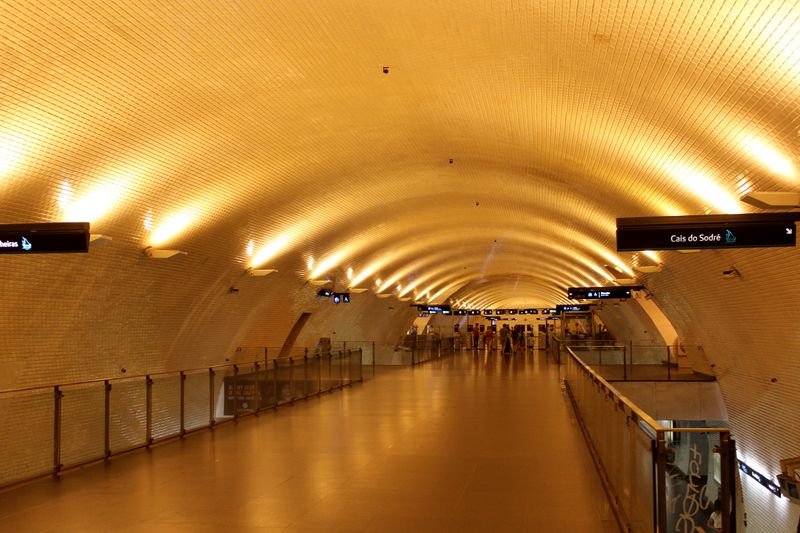
The metro is quick, clean and does not reach large parts of the historic centre. It is the right tool for crossing the city and the wrong one for moving within the older neighbourhoods.
Trams and buses fill those gaps and are slower and more scenic by necessity. Where a station does sit near an old quarter it is almost always at the foot of it, so arriving underground converts a long walk into a short climb rather than removing the climb altogether.
Trams are two different things
Some tram routes are ordinary transport used by residents; one in particular is heavily used by visitors and is correspondingly crowded. Riding the less famous routes gives a similar experience without the queue. Pickpocketing on crowded tourist trams is a genuine and well-documented problem.
The small vintage cars survive on the steep routes for an engineering reason rather than a nostalgic one, because the modern articulated vehicles cannot take the gradients or the tight corners of the old streets.
Get a rechargeable card
A rechargeable transport card is substantially cheaper than single tickets and works across metro, tram, bus and several lifts. It is bought once at a machine and topped up as needed. Single paper tickets bought on board are the most expensive way to travel.
The card carries either a stored cash balance or a time-limited pass, and the two generally do not sit on it at once, so loading a day pass suspends the option of paying per journey until it expires.
Adjust the size of it until it is something you would actually do tired.
Gain height by machine, lose it on foot
The practical version of all this is to climb using something with a motor and to walk the descent, which is the reverse of how most itineraries are drawn. A day that begins at a high point and works downwards ends at the river, where the transport is dense, the streets are flat and there is somewhere to sit.
On an ordinary week, luggage changes the arithmetic entirely, because wheeled cases do not roll on the old stone and hauling one uphill in afternoon heat is a genuinely bad half hour. Anyone with a heart or joint condition should treat the gradients as a real planning constraint and take the question to a qualified professional rather than to a guidebook.
The takeaway
Buy the rechargeable card, and check the climb before trusting the walking time.
The version you keep doing is the version that works.
Questions readers ask
Are the hills manageable with limited mobility?
Parts of the city are genuinely difficult. The lifts, funiculars and metro help, and some neighbourhoods are far flatter than others — the riverside and the newer grid areas particularly.
Is a day pass worth it?
If you make more than a few journeys, generally yes. Compare against a rechargeable card for a stay of several days.
Also by Inês Carvalho
- How to order coffee in Lisbon without overthinking itCafés & Coffee
- Sintra in a day, done properlyDay Trips
- What catches visitors outPracticalities
- The tourist tram, and what to ride insteadPracticalities