Practicalities
What catches visitors out
A short list of practical things that are obvious to residents and consistently surprise everyone else.
There is a short answer about practical surprises and a useful one, and they are not the same. What follows is the useful one.
The short version
- Many small businesses still prefer cash, and some card terminals are domestic-only.
- Lunch and dinner hours are later and narrower than in some countries.
- August is quiet in a specific way — residents leave and some places close.
Cards are widespread but not universal
Larger businesses take international cards without issue; some small ones accept only the domestic network or prefer cash. Carrying a modest amount of cash removes an entire category of minor problem.
Cash is also useful for markets, small pastelarias and some transport top-ups. The domestic scheme runs on its own rails rather than through the international card networks, which is why a terminal can be perfectly modern and still refuse a foreign card without either side having done anything wrong.
Meal times are narrower
Lunch runs roughly through the early afternoon and dinner starts later than in northern Europe. Arriving outside those windows in a small restaurant often means the kitchen is closed rather than quiet. Cafés and pastelarias fill the gaps and are open through the day.
Between the two services the kitchen genuinely stops and the staff eat, so a room with the lights on, the door open and people at the tables can still be unable to cook you anything at all.
August empties differently
Many residents leave the city in August, and some family-run businesses close entirely for several weeks. The city is simultaneously full of visitors and short of its ordinary services. Checking whether a specific place is open in August is worth doing rather than assuming.
Those closures are usually announced by a handwritten sign taped inside the door rather than posted anywhere online, so the reliable check is to walk past in July and read the doors of the places you were counting on.
The sun is stronger than the temperature suggests
The light is intense and the reflective stone pavements amplify it. Shade is scarce on many streets, and midday in summer is genuinely uncomfortable.
Where it helps most, planning around it — early mornings, late afternoons, indoor middles — is what residents do. The breeze coming up off the river masks the load, which is how people burn on a day that felt pleasant, and the pale stone throws light upward so the underside of a chin catches sun that never arrived from the sky.
The pavements are slippery
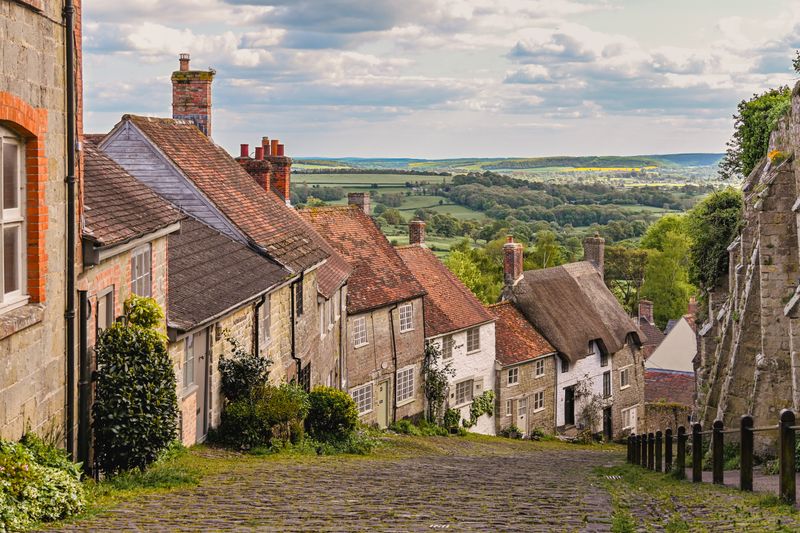
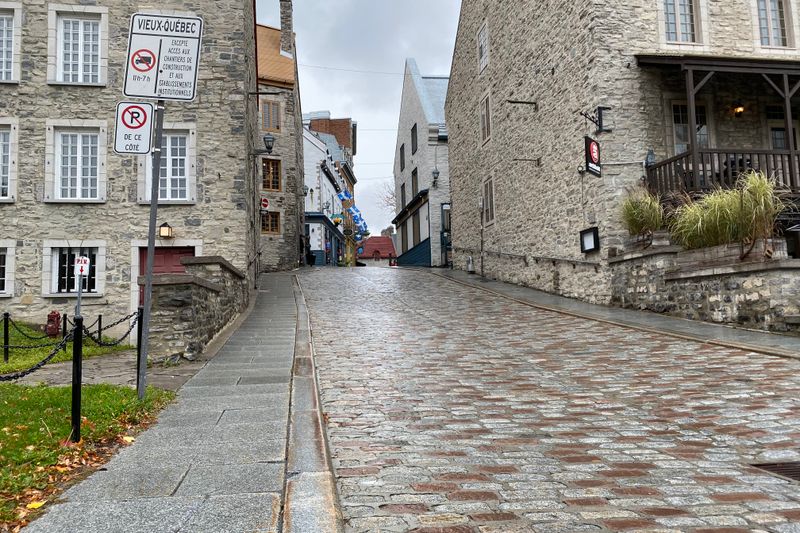
Traditional stone paving is beautiful and becomes genuinely slick when wet or worn smooth. Falls are common enough that it is worth mentioning, particularly on a slope in rain. Shoes with some grip matter more here than in most cities.
The stone polishes wherever feet fall hardest, so the worst patches are the busiest routes and the middle of sloping streets, and the first few minutes of rain after a dry spell are more treacherous than an entire wet day.
The receipt is not optional
Businesses are required to issue a receipt for every sale, which is why a printed slip arrives even for a coffee drunk standing at the counter in under a minute. You will also be asked, at almost every till, whether you want a tax number on it, and for a visitor the answer is simply no rather than a question you have misheard. That exchange causes a great deal of confusion because it sounds like a request for identification and is really a routine prompt the assistant has to make.
Put simply, holding on to the slip until you are out of the door costs nothing and settles the occasional case where the price rung up does not match the one written on the board.
The takeaway
Carry some cash, eat at local hours, and buy shoes with grip.
The version you keep doing is the version that works.
Questions readers ask
Do I need to speak Portuguese?
English is widely spoken in the city, particularly in hospitality. A few words are appreciated and go a long way in small neighbourhood places.
Is tap water drinkable?
Yes, it is safe and generally fine. Some people prefer bottled for taste, which is a preference rather than a necessity.
Also by Inês Carvalho
- How to order coffee in Lisbon without overthinking itCafés & Coffee
- The hills are the transport systemPracticalities
- Sintra in a day, done properlyDay Trips
- The tourist tram, and what to ride insteadPracticalities