Neighbourhoods
Two microclimates: the riverside and the ridge
Wind, humidity and temperature differ measurably between the bottom of the city and the top, and residents dress for it.

Treat the sections below as a sequence. With the city microclimates, getting the early decisions right makes the later ones much easier.
Before you start
- The river funnels wind along the low ground almost every afternoon in summer.
- Ridge tops are cooler and far more exposed than the sheltered valleys between them.
- Sun angle varies enormously between north- and south-facing slopes.
The estuary breeze
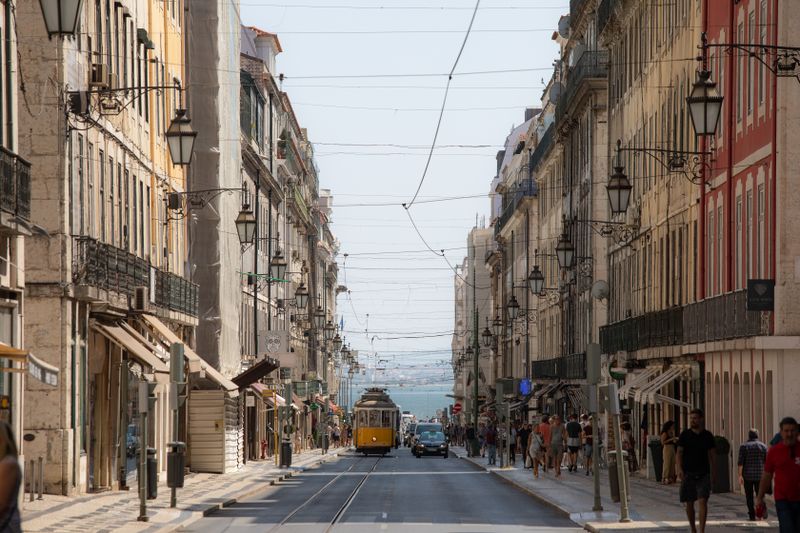
The river estuary acts as a channel, and a prevailing northwesterly builds through summer afternoons along the low ground. That wind is the reason a riverside terrace can be pleasant when an inland street is stifling.
It also means an evening by the water is noticeably cooler than the temperature reading suggests. Carrying a layer for the river when the day has been hot is standard local behaviour.
Ridges are exposed
The hilltops catch the same wind with nothing to break it, which is glorious in August and punishing in January. Viewpoints on exposed ridges are frequently much colder than the walk up to them. The sheltered valleys and hollows between hills hold heat and can feel airless on a still day.
The same afternoon can require two different jackets depending on which contour you walk.
Which way the slope faces
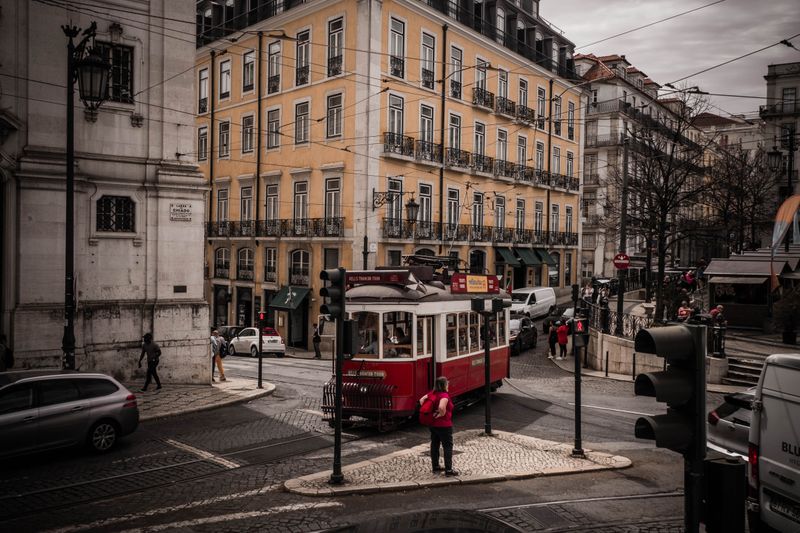
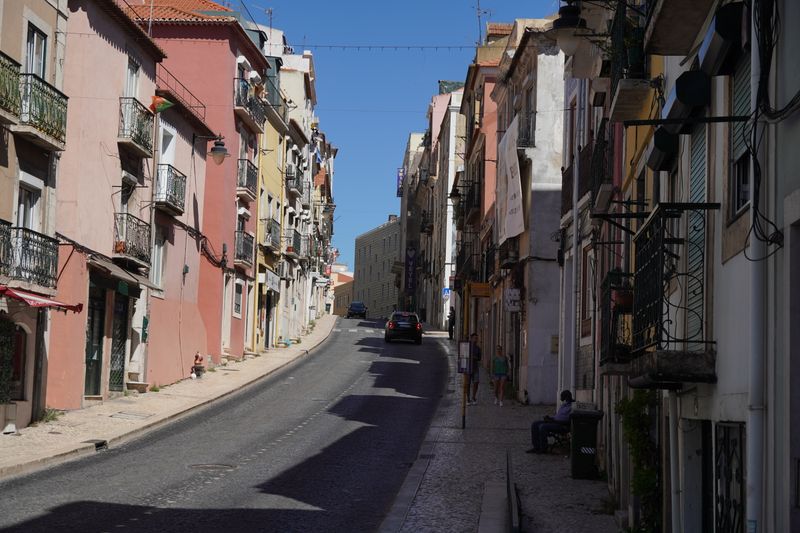
South-facing slopes get sun for most of the day and their streets stay warm into the evening. North-facing streets in the old quarters can stay in shadow for much of a winter day and feel genuinely damp.
The useful part is this: this affects apartments as much as streets, and it is worth checking before committing to a long stay. Estate listings rarely mention aspect and it makes a substantial difference to winter comfort.
Fog and the western hills
Moist Atlantic air rising over the hills to the west produces frequent low cloud and mist, particularly in the mornings. The city itself gets far less of this, which is why a grey morning inland can be a clear one in town. It is a genuine microclimate difference over a short distance rather than an ordinary weather variation.
Checking a forecast for the specific place rather than for the region is worth the extra thirty seconds.
Stone holds the heat
Dense masonry, narrow streets and pale stone paving store and re-radiate heat well after sunset. In a hot spell the built-up centre stays warm at night while open ground cools quickly. This is the ordinary urban heat island effect and it is pronounced in a dense, low-rise, stone city.
Sleeping in a top-floor flat under an uninsulated roof in August is the most acute version of it.
Dressing for a day of it
Layers are more useful here than a single warm garment, because you will change altitude repeatedly. A windproof outer layer earns its place more often than a thick one.
The useful part is this: sun on an exposed ridge at midday is much stronger than the air temperature suggests. Locals carry something light almost year round for exactly these reasons.
When it rains, it arrives sideways
Winter rain usually comes in on a strong southwesterly, which drives it under awnings and along the pavement rather than straight down and makes an umbrella close to useless on an exposed street. The gradients turn streets into drainage channels within minutes, so a stepped lane can be carrying a shallow stream while the square at the bottom of it is still dry. Because the ground is sealed stone, water runs rather than soaks away, and it pools exactly where the camber sends it, which tends to be the crossings and the kerbs you were planning to step off.
Where it helps most, the local response is a hood and shoes that shed water rather than an umbrella, plus a quarter of an hour under a doorway, since these fronts generally come through in bands rather than settling in for the day.
The takeaway
Check the contour and the aspect, not just the forecast.
Pick the one that costs you least, and let the rest wait.
Questions readers ask
Is it actually cold in winter?
Outdoors it is mild by northern European standards. Indoors it is often colder, because heating and insulation are limited in older buildings.
Why is the wind so strong on the bridge and the riverfront?
Open water and the estuary channel give it nothing to slow it down, and the low ground funnels it. It is consistently windier there than a few streets inland.
Also by Duarte Ferreira
- Viewpoints without the queueNeighbourhoods
- Tiles are cladding, not decorationNeighbourhoods
- The staircase streets and how they organise a hillNeighbourhoods
- What happens in a square, and whenNeighbourhoods