Neighbourhoods
What happens in a square, and when
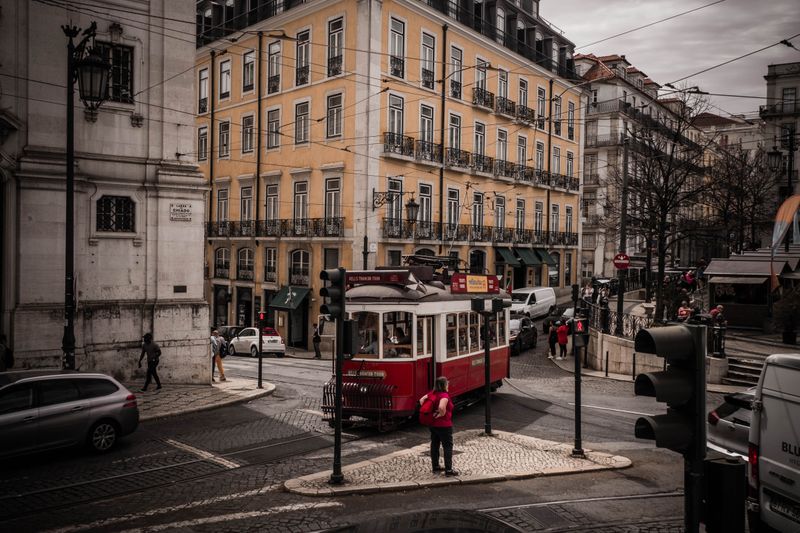
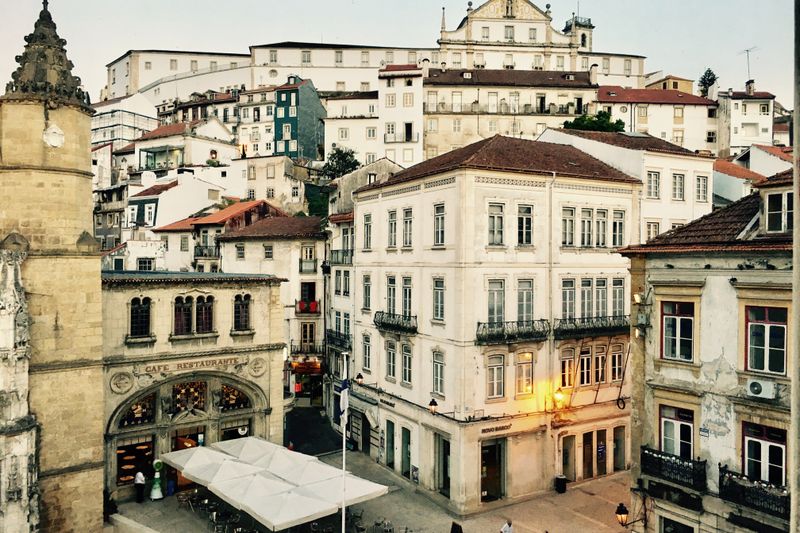
A neighbourhood square runs a timetable of different populations, and it is the clearest window into how a street lives.

Comparisons of neighbourhood squares usually pick a winner. This one picks the circumstances, which is more useful.
The difference in one place
- Kiosks turn public squares into cheap, unhurried outdoor rooms.
- The population of a square changes completely three or four times a day.
- Shade determines which benches get used and when.
The kiosk model
Small freestanding kiosks selling drinks and snacks have been reintroduced across many squares over recent decades. They put tables under trees at prices far below an indoor terrace and with no expectation that you leave.
The effect is to make public space usable for hours rather than minutes. It is one of the more successful pieces of ordinary urban policy in the city and it costs very little to enjoy.
The morning shift
Early on, a square belongs to people crossing it, dog walkers and the delivery vans servicing the surrounding shops. Older residents take the shaded benches first and tend to hold them. Nothing about the square at this hour resembles what a guidebook photograph shows.
Where it helps most, it is also the coolest and quietest time to sit in one.
The middle of the day
Squares near offices and schools fill sharply at lunchtime and empty just as fast. Where there is a kiosk, the queue is the reliable indicator of how good it is. Direct midday sun makes the unshaded half of most squares unusable in summer.
On an ordinary week, trees, not benches, decide where people actually sit.
Late afternoon and evening
Children arrive after school, and the same square becomes loud and fast for an hour or two. Later, the drinking crowd replaces them, and in residential areas that transition is generally gentle. In heavily visited quarters it is not, and the noise complaints that follow are a live local grievance.
Where a square sits on that spectrum is obvious after one evening in it.
Reading the furniture
Fixed benches facing inward suggest a square designed for sitting and watching. Large open paved areas with nothing to sit on are usually designed for events or for moving people across. Recent planting, new paving and a fresh kiosk together usually indicate a square that has been reworked in the last few years.
Worn stone, mature trees and an old kiosk indicate one that has been left alone, which is often better.
Using them well
Buying something from the kiosk is the rent for the table, and it is small. Nobody will move you on, and lingering is the intended use rather than a tolerated one.
Put simply, taking your own drinks to a kiosk table is the one thing that is genuinely poor form. A square in the late afternoon is the cheapest good hour available in the city.
If that does not fit your week, it is not a failure of willpower.
When the square is borrowed
Squares double as venues, and for days at a time one can be occupied by a stage, a run of temporary stalls or a screen, which suspends every ordinary use it otherwise has. The summer street festivals are the largest version of this, when residents' associations cook in the open and the entire surface of a square becomes seating, smoke and sound.
For most people, that is genuinely one of the better things the city does and it also runs very late, which matters a great deal if your window happens to open onto it. Outside those weeks the recurring intrusions are the weekly and monthly markets, which take the shade and the benches for a morning and hand them back by early afternoon.
Side by side
| Consideration | What it means in practice |
|---|---|
| The kiosk model | Kiosks turn public squares into cheap, unhurried outdoor rooms. |
| The morning shift | The population of a square changes completely three or four times a day. |
| The middle of the day | Shade determines which benches get used and when. |
The takeaway
Find a square with trees and a kiosk, buy one thing, and stay for an hour.
The version you keep doing is the version that works.
Questions readers ask
Can I sit at a kiosk table without buying anything?
The tables belong to the kiosk, so buying something is the expectation. Public benches nearby are free and plentiful.
Are the squares safe in the evening?
Residential ones are ordinary public space and generally calm. Crowded nightlife squares carry the usual crowd-related pickpocketing risk rather than anything worse.
Also by Duarte Ferreira
- Viewpoints without the queueNeighbourhoods
- Tiles are cladding, not decorationNeighbourhoods
- The staircase streets and how they organise a hillNeighbourhoods
- Two microclimates: the riverside and the ridgeNeighbourhoods