Day Trips
Market day towns and the weekly rhythm
Towns around the region hold markets on fixed weekdays, and arriving on the right morning changes what the place is.
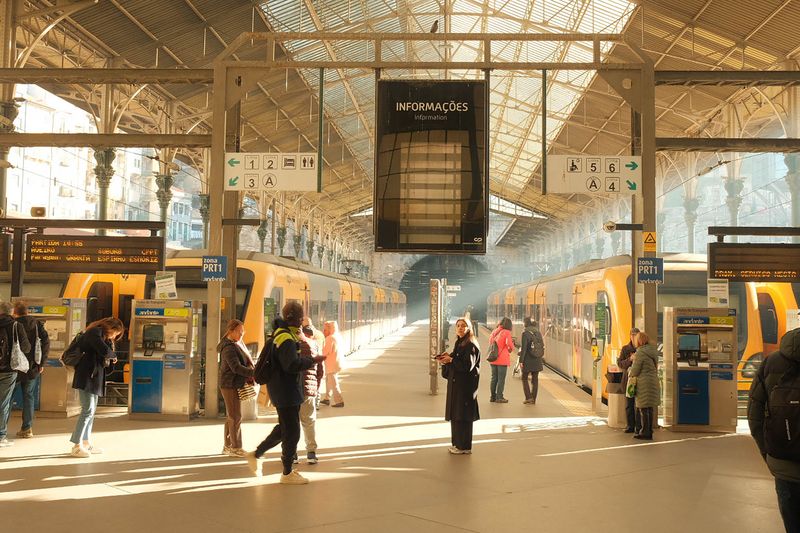
Everything below about regional market days comes from what actually happens rather than from what is supposed to.
What holds up in practice
- Market days are fixed by town and vary across the week.
- Traders move between towns on a circuit, so the stalls repeat.
- Everything is over by early afternoon.
A circuit, not an event
Traders work a weekly round, appearing in one town on Tuesday and another on Friday, which is why the same faces recur. That means a monthly or weekly market is an ordinary commercial fixture rather than a festival.
It also means the quality of a given market depends on the size of its catchment more than on its reputation. Larger towns draw more traders and a wider range of goods.
Two markets in one
Most have a food half — produce, cheese, cured meat, olives, bread, sometimes live poultry — and a general half selling clothes, tools and household goods. The food half is the interesting one and is usually closest to the town centre.
The general half is genuinely useful if you live there and largely irrelevant if you do not. Prices are not fixed in the way they are in a shop, though haggling is far less of a ritual than in some countries.
Timing is everything
Trading starts early, peaks mid-morning and is packing up by early afternoon. Arriving at midday means seeing the tail of it, and arriving at two means seeing empty trestles. The best produce and the busiest atmosphere are both in the first two hours.
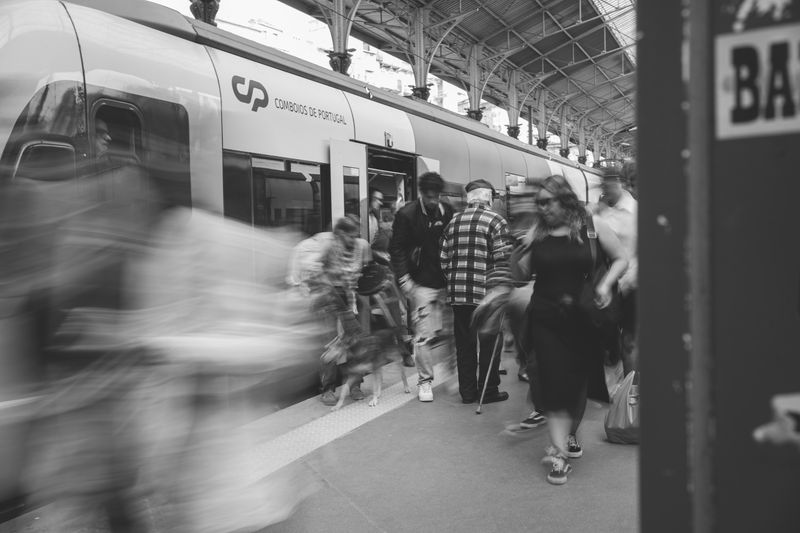
Where it helps most, a train out early on the right morning is the whole plan.
Finding out when
Market days are set by each town and are published by the local council rather than nationally. They shift for public holidays and occasionally for seasonal reasons. Checking the town hall listing or asking at a café is more reliable than any aggregated list online.
Monthly fairs are a separate and larger thing again, often held on a fixed date rather than a fixed weekday.
What is actually worth buying
Seasonal fruit, cheese, olives, cured meat and honey are consistently good and cheap. Regional cheese varies enormously and stallholders will let you taste before buying. Take a bag and take cash, because card acceptance among smaller traders is patchy.
On an ordinary week, anything requiring refrigeration is a poor idea if you have a long journey and a warm day.
The town on the other days
The same town on a Wednesday can be quiet to the point of being asleep. That is not a worse visit, just a completely different one, with a working café and an empty square. If you want a market, check the day; if you want quiet, go on any other.
Sundays outside the city are quiet almost everywhere, with many shops and some restaurants closed.
What the stalls tell you about the land
The produce half of a regional market is a direct readout of the farming around it: many small plots, a wide range of varieties and almost nothing arriving in industrial volume. That structure survives because holdings were divided down through inheritance over generations, which is why one trader may be selling four kinds of apple with only a crate and a half of each. It also explains the ages behind the trestles, since a smallholding on that scale supports a household rather than a succession, and a great many of these growers have nobody coming after them.
Buying the odd-shaped varieties rather than the uniform ones is the part of a market morning that actually keeps that catalogue of fruit in the ground.
The takeaway
Find out which weekday, go early, take cash and a bag.
The version you keep doing is the version that works.
Questions readers ask
Is haggling expected?
Not really, and certainly not on food at posted prices. A small reduction on a larger purchase of general goods is sometimes possible.
Can I bring food home from a market?
Domestically yes. Crossing borders with animal products has rules that vary by country, so check your destination's restrictions rather than assuming.
Also by Inês Carvalho
- How to order coffee in Lisbon without overthinking itCafés & Coffee
- The hills are the transport systemPracticalities
- Sintra in a day, done properlyDay Trips
- What catches visitors outPracticalities