Day Trips
Coffee in a small town is a different institution
An hour out of the city, the cafe stops being one option among many and becomes the centre of a place.
Treat the sections below as a sequence. With small town cafes, getting the early decisions right makes the later ones much easier.
Before you start
- In a small town the cafe often doubles as the meeting point and noticeboard.
- Prices are typically well below the city for the same drink.
- Sunday and market day change the rhythm completely.
One room, many functions
In a town of a few thousand people the main café is where people wait, meet, read the paper and settle small business. It frequently carries the local noticeboard, the football results and whatever the town is currently arguing about. That concentration of function is what the city lost when it acquired hundreds of alternatives.
Sitting in one for an hour tells you more about a town than any museum in it.
The economics are different
Rents outside the city are low, and prices for coffee and simple food follow. The same coffee that costs a certain amount on a central square costs noticeably less an hour away, though figures vary and change. Set lunches in small towns are frequently excellent value and aimed at people working locally.
Cash is more useful here than in the city, particularly in the oldest places.
Being an obvious outsider
You will be noticed, and that is curiosity rather than hostility in almost every case. A greeting on entering and on leaving is the entire etiquette requirement and it matters more here than in the city. English is less widely spoken, and a few words of Portuguese go considerably further.
Where it helps most, photographing the interior or the people in it without asking is the one genuinely rude move.
Market day and Sunday
Many towns have a market on a fixed day of the week, and the café will be full and fast on that morning. Sunday after church is the other peak, and the room may be entirely different in composition. On other days the same place can be almost empty by mid-morning.
Market days vary by town and are worth checking locally rather than assuming.
What to order
The traditional repertoire is the same as the city: a small dark espresso, a milk version, a pastry. Specialty coffee is uncommon outside larger towns, so expect the traditional style done to the local standard.
Put simply, local pastry specialities are frequently regional and not available in the capital, which is a good reason to ask. Regional wine and spirits appear behind the bar and are cheap by city standards.
None of this is a substitute for talking to a clinician if something feels wrong.
Building a day around it
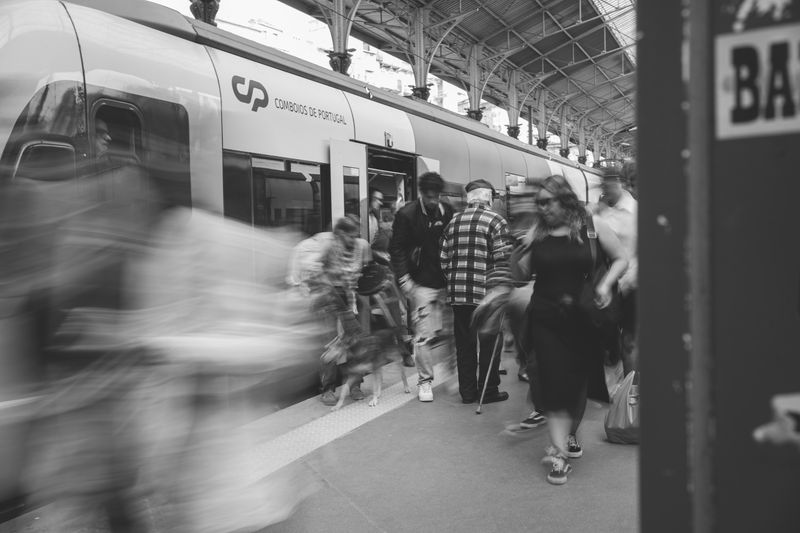
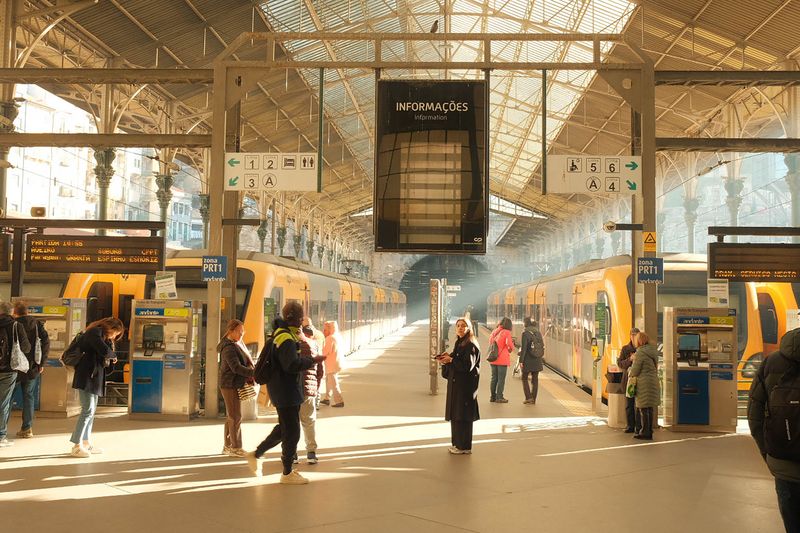
A train out mid-morning, a long lunch, a walk and a slow coffee before the return is a complete and cheap day. Trying to see three towns in a day converts it into a day of travelling.
The useful part is this: weekdays are quieter on the trains and busier in the towns, which is usually the better combination. Small towns close down substantially in the middle of the afternoon, so plan around the lull rather than against it.
The takeaway
Take the slow train, find the main café, and stay in it longer than feels necessary.
Small and repeatable beats ambitious and abandoned, almost every time.
Questions readers ask
Will anyone speak English?
Sometimes, particularly younger staff. Assume not, learn the ordering words, and the transaction will be easy either way.
Is it worth going somewhere with nothing to see?
If you want a museum, no. If you want to understand how the country outside the capital actually works, a market-day morning is more useful than most monuments.