Eating
Markets, and which ones are still markets
Some are working food markets, some are food halls for visitors, and the distinction matters for what you get.

This is less a set of instructions about lisbon markets than an argument, and it is worth saying so at the start.
The argument in brief
- Working markets are busiest early and quiet by afternoon.
- Food halls are a different product and are priced accordingly.
- Neighbourhood markets outside the centre are where residents actually shop.
Two kinds of market
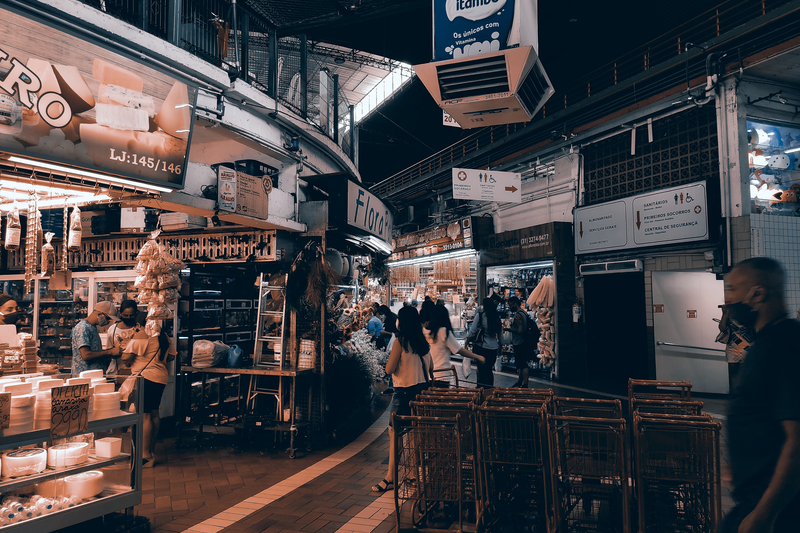
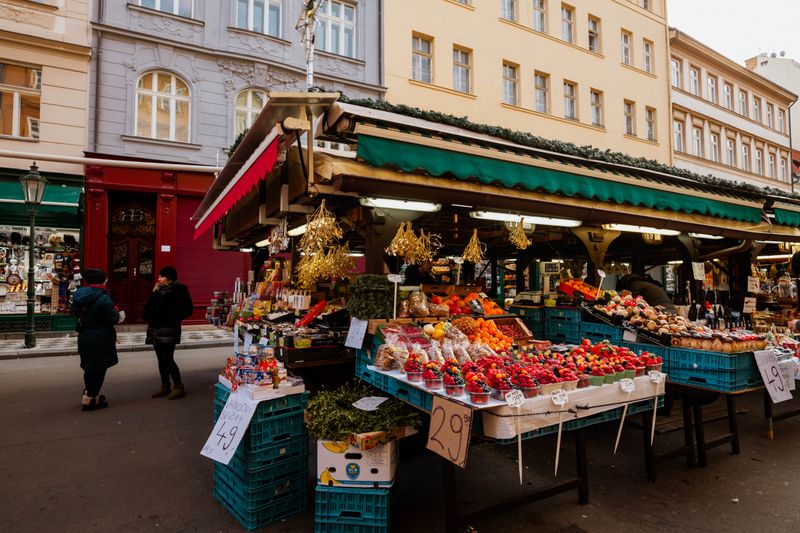
Traditional markets sell fish, produce and meat to people cooking at home, and operate on a morning rhythm. Food halls assemble restaurant stalls under one roof and operate through the day and evening. Both are worthwhile and they are not substitutes for one another.
The two frequently share one building, the working half holding one end in the morning and the eating half filling the other from midday, so a single address can leave completely opposite impressions depending on the hour you walked in.
Go early to a working market
The best of the fish and produce goes in the first hours, and many stalls close by early afternoon. Arriving at midday gives a much thinner impression of what the market actually is.
Saturday mornings are the busiest and most alive. Fish arrives overnight from the auctions and is on the slab at opening, so the first hour is not merely quieter but a different selection, while the last hour before the shutters is where whatever will not keep gets discounted.
Neighbourhood markets are the real thing
Away from the centre, smaller markets serve local residents and are correspondingly cheaper and less curated. They are also where you will hear the least English and get the best prices. Most neighbourhoods have one, and they are rarely in guidebooks.
Many have shrunk to a handful of stalls in a hall that now shares its floor with a supermarket or a council office, and several only really function one morning a week, which is worth establishing before making the journey.
Food halls are convenient and pricier
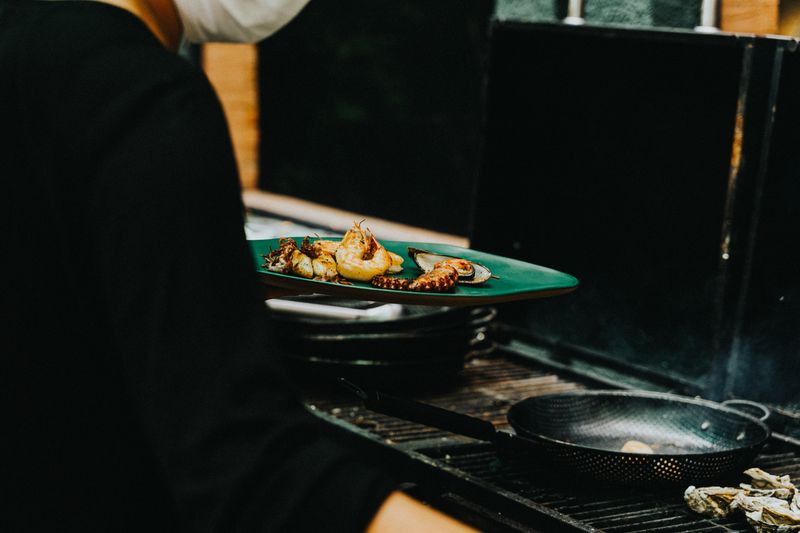
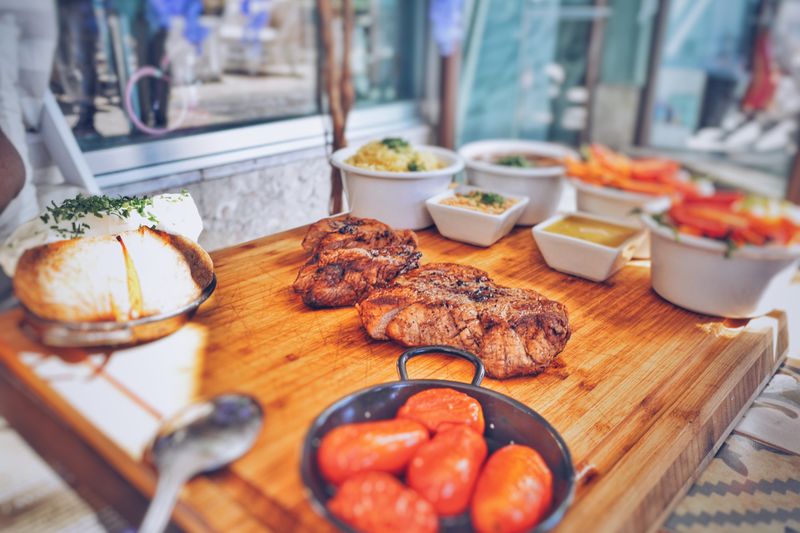
A curated hall lets you eat several things from good producers in one sitting, which has real value. Prices are well above a neighbourhood tasca for comparable food. Going outside peak hours makes the experience considerably better.
The format has one structural flaw: everyone in a group queues at a different stall and comes back at a different time, so somebody is always eating something cold unless you agree in advance to eat in waves.
Buying to cook
If you have a kitchen, the markets are the strongest argument for using it — fish, produce and bread are excellent and inexpensive. Stallholders are generally happy to advise on what is good and how to cook it. Cash is more welcome than card at smaller stalls.
The useful part is this: fish is sold whole and will be scaled and gutted on the spot if you ask, though filleting is offered less often, so the shape you want is worth naming before the knife comes out rather than after.
Some of this will suit you and some will not, and that is the point.
The stalls that are not food
Most working markets keep a fringe of trades squeezed off the high street — seeds and seedlings, flowers, haberdashery, cheap kitchen equipment and somebody who sharpens knives. These are usually the cheapest place in the neighbourhood to solve a small domestic problem, and they take cash and no interest whatever in whether you live here. The surrounding streets often continue the same logic outward, with a hardware shop and a fishmonger occupying the point where the market building stops.
That fringe is the first thing to disappear when a hall is refurbished for eating, which makes it the clearest single signal of which kind of market you are actually standing in.
The takeaway
Go early, go to a neighbourhood market, and bring cash.
Small and repeatable beats ambitious and abandoned, almost every time.
Questions readers ask
Which market should I visit first?
If you want to eat, a food hall is easy. If you want to see a working market, go to a neighbourhood one early on a Saturday.
Can I buy fish to cook if I am staying in an apartment?
Yes, and it is one of the best reasons to have a kitchen here. Stallholders will gut and prepare it for you.