Eating
Eating in a tasca without a reservation
The small family restaurants are the point, and using them well takes a little local knowledge.
What follows is an argument about eating in tascas, and about where the received version of it stops being true.
The argument in brief
- Lunch is the main meal and the best value of the day.
- Couvert brought to the table is charged and can be declined.
- The daily special is usually the freshest and cheapest option.
Lunch is the meal to prioritise
Many small restaurants serve a set lunch that is substantially cheaper than the same food in the evening. It is what local workers eat and is often the best value meal available anywhere in the city.
Arriving at the start of the lunch period avoids the queue that follows. The economics behind it are simple: the kitchen cooks two or three dishes in volume for a crowd it can predict, and the price usually carries soup, a main, bread and a coffee together rather than as separate lines.
The couvert is optional
Bread, olives, cheese and similar brought unrequested to the table are charged per item. Declining them politely is entirely normal and not rude.
Accepting them is also fine; the point is that it is a choice rather than an inclusion. The prices for those items are meant to appear on the menu, so a glance at that section before the plates land tells you what accepting will cost, and anything left untouched should come off the bill.
Order the special
The dish of the day reflects what was bought that morning and is generally the freshest thing on offer. It is also usually cheaper than the printed menu and is what the kitchen is set up to cook well. Where it is written on a board rather than printed, that is a good sign.
Many kitchens run a fixed dish for each weekday, so the board repeats week on week, and a room that appears to have got your order wrong has usually just sold out of the one thing it made a lot of.
Portions and sharing
Portions are frequently generous, and half portions are commonly available and normal to order. Sharing dishes is accepted in most tascas. Ordering a full portion each when a half would do is the most common visitor overspend.
For most people, a half is often rather more than half, because it arrives with the same accompaniments as the full plate, and in many rooms one full portion between two people with a spare plate is understood without any comment at all.
Fish and the seasons
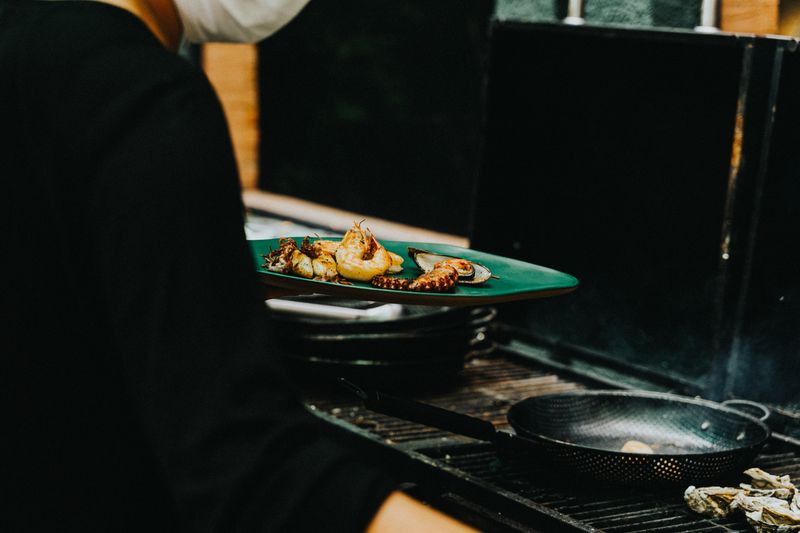
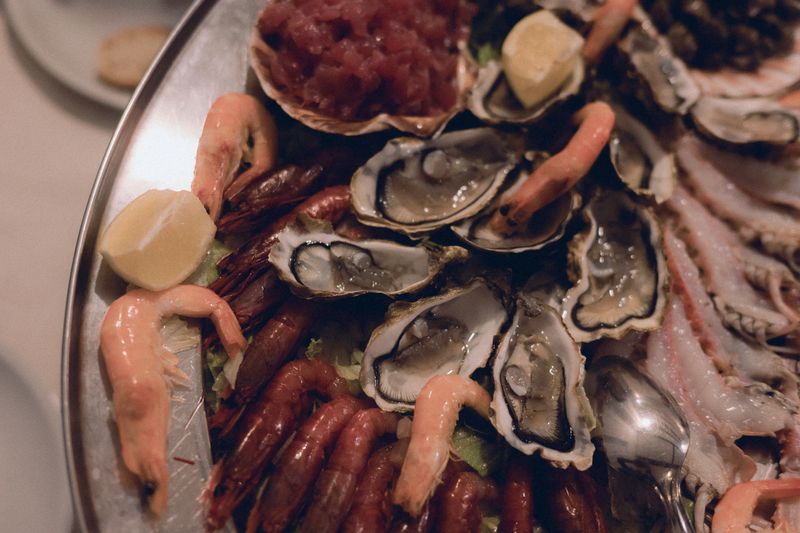
Grilled fish is a strength, and what is good depends on the season and the day. Asking what is good today is a normal question and generally produces a useful answer. Sardines are seasonal and are notably better in the warmer months than outside them.
Whole fish is usually priced by weight rather than by the plate, which is where an otherwise cheap lunch occasionally surprises people, and asking roughly what a particular fish will come to before it goes on the grill is entirely ordinary.
When it is full and you have not booked
Waiting by the door is the normal move rather than an imposition, and turnover at lunch is fast because most of the room is on a fixed break and has somewhere to be. Sharing a table with strangers is still ordinary in some tascas, and being pointed at the free seat opposite somebody already eating is a welcome rather than a slight.
The useful part is this: a counter seat, where the room has one, tends to be served first and is rarely claimed by anyone who arrived as a pair. If the wait looks long, the question worth asking is what time the kitchen stops, because a place that closes the stoves at a hard hour will turn you away later even once the tables free up.
The takeaway
Eat your main meal at lunch, order the daily special, and decline what you did not ask for.
Small and repeatable beats ambitious and abandoned, almost every time.
Questions readers ask
Do I need to book?
For small tascas at lunch, usually not, though arriving early helps. Popular evening restaurants increasingly need booking, sometimes days ahead.
Is it rude to decline the couvert?
No. It is charged and is offered rather than included. A polite refusal is entirely ordinary.