Neighbourhoods
Bairro Alto is two different places twelve hours apart
The same few dozen blocks work as a quiet residential grid in the morning and as the loudest room in the city after dark.

This works through a nightlife quarter by day in the order the parts actually depend on each other.
The short version
- The quarter runs on two shifts that barely overlap.
- Ground floors change use at dusk while the flats above them do not.
- Daytime is the only hour when the street plan itself is visible.
The morning version
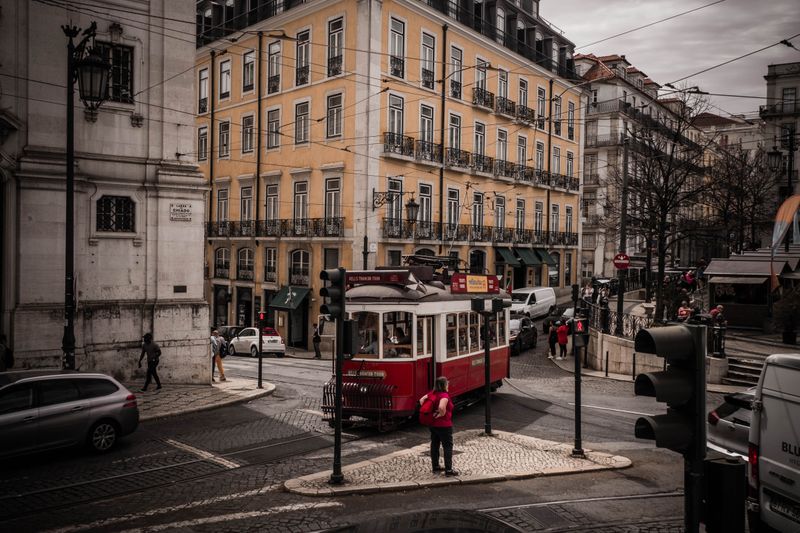
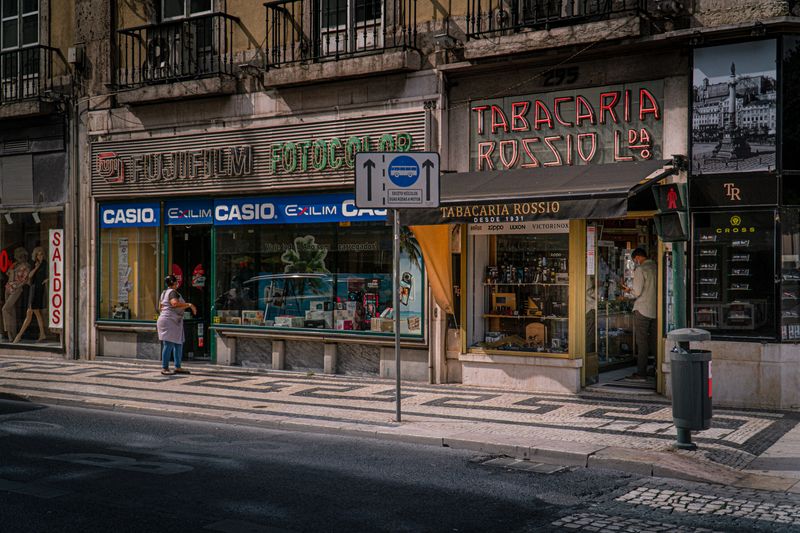
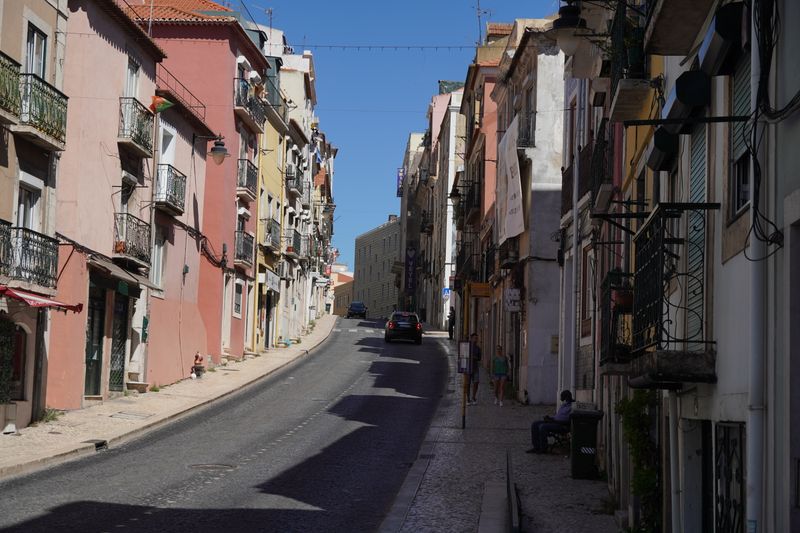
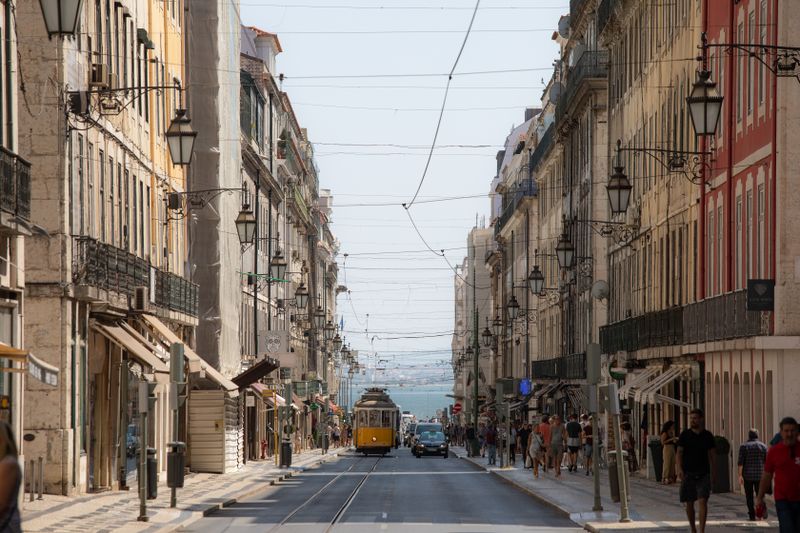
Walk the grid before midday and you find a residential quarter of narrow lanes, shuttered doors and almost nobody about, which startles anyone who knows only its reputation. Deliveries account for most of the movement, because vans can work these lanes only while the tables and the crowds are absent. The businesses trading in those hours are the ordinary ones a neighbourhood needs, selling bread, hardware, dry goods and the occasional haircut.
Older residents use the morning deliberately, running errands in the narrow window when the pavements still belong to the people who live on them. This is also the only stretch of the day when the layout can be read properly, because the grid is exposed rather than buried under bodies.
The plan underneath
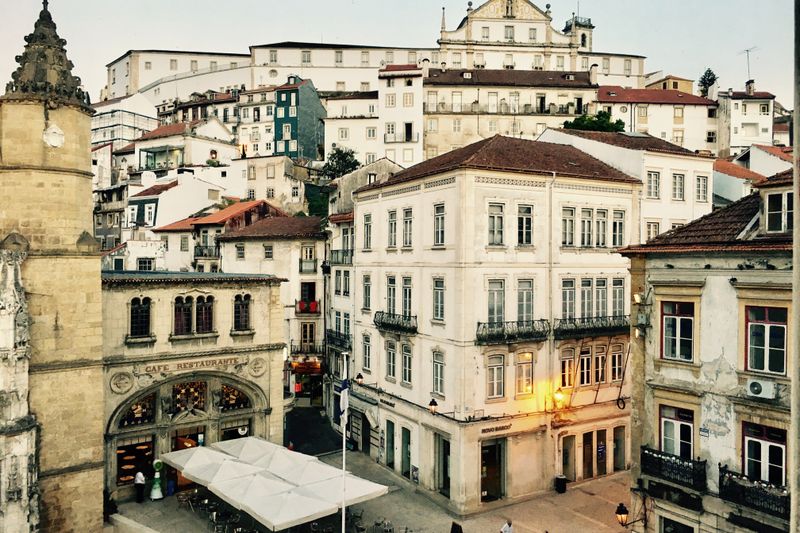
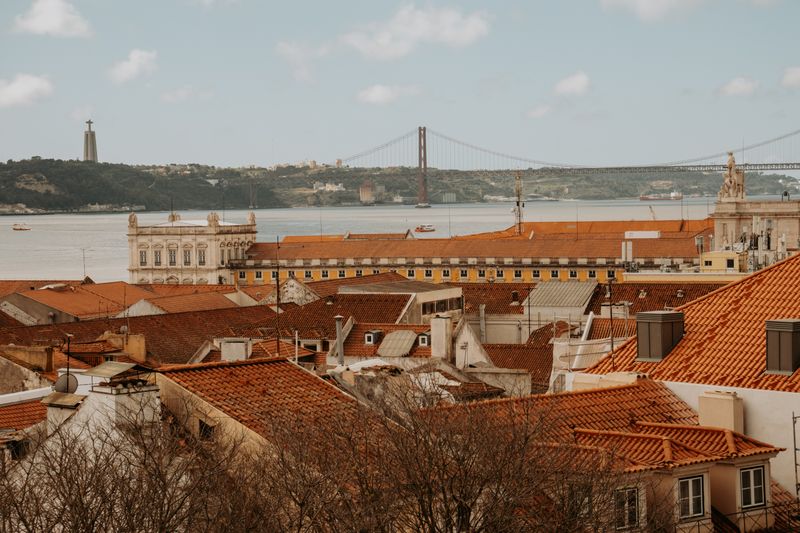
The quarter sits on a hill as a rough rectangular grid, which is unusual in a city that mostly grew along its contours rather than against them. That plan predates the great earthquake, so its buildings escaped the wholesale rebuilding that reshaped the flat district below into something entirely regular.
Blocks are shallow and lanes are narrow, so almost every room has a window onto a street rather than onto a courtyard or a light well. Ground floors were built for workshops and small trade, with living space stacked immediately above rather than separated from it by anything substantial. That one structural fact — commerce below, sleeping above, a thin floor between — explains most of what the quarter now argues about with itself.
The turn
Late in the afternoon the shutters that stayed down all morning go up, and a different set of businesses takes possession of the same doorways. The changeover is quick and visible, because a room selling groceries in the afternoon can be pouring drinks a few hours later, occasionally the very same room.
In practice, since the bars are small, the drinking happens outside them, which makes the street itself the venue rather than any particular premises. That is the structural difference from a nightlife district built around large indoor rooms, and it is why sound behaves so unlike a club quarter here. The crowd is also mobile, drifting between lanes rather than settling anywhere, which spreads the effect evenly across the whole grid instead of concentrating it.
The morning after
Street cleaning is the largest visible public service the quarter receives, and it happens early enough that most visitors never witness any of it. Glass is the hardest part of the job, because it travels into doorways and gutters and cannot simply be flushed downhill with water.
Residents plan their own mornings around that operation, which is a further reason the early hours feel so improbably orderly. The cost of the cleaning falls on the city rather than on the businesses that generate the mess, and that is one of the fairness arguments people make here.
Whatever position you take on the argument, the physical evidence for it is spread across the pavements every single morning.
Sleeping here, or one street below
Booking a room inside the grid for a weekend and expecting silence is the most predictable disappointment available anywhere in the city. A lane on the downhill edge, facing away from the core, can be dramatically calmer for the price of a two-minute walk. Higher floors usually beat lower ones, since the noise is generated at pavement level and thins out unevenly as it rises past the balconies.
The useful part is this: an interior room with no view is worth more than a balcony in this particular quarter, which inverts the usual logic of choosing accommodation. Midweek and winter are both genuinely quieter, so one address can deliver two completely different experiences depending on when you happen to arrive.
If that does not fit your week, it is not a failure of willpower.
What the double life costs
A neighbourhood earning most of its money after dark gradually loses the shops that only make sense while the sun is up. Rents settle at whatever a bar can pay for a square metre of frontage, and no grocer or cobbler can match that figure over a long lease.
This is a mechanism rather than anybody's fault, and it operates in nightlife districts across many countries regardless of local character or local law. The counterweight here is that residents have stayed in real numbers, which keeps the daytime version alive instead of leaving a purely commercial shell. Seeing both versions inside a single day is the honest way to understand the place, and it costs nothing beyond getting up early once.
The takeaway
Two shifts, one grid. Judge it by whichever one you turned up for.
Small and repeatable beats ambitious and abandoned, almost every time.
Questions readers ask
Is it worth going during the day?
Yes, and it is the only way to see the street plan and the ordinary shops. The two versions barely overlap.
Can you actually sleep there?
Midweek and in winter, usually. On a summer weekend an interior room, a high floor, or a lane on the edge of the grid is a far safer bet.
Also by Duarte Ferreira
- Viewpoints without the queueNeighbourhoods
- Tiles are cladding, not decorationNeighbourhoods
- The staircase streets and how they organise a hillNeighbourhoods
- Two microclimates: the riverside and the ridgeNeighbourhoods