Neighbourhoods
How sound moves in an old neighbourhood
Narrow streets, hard surfaces and open windows make the acoustics of these quarters unlike anywhere modern.

This is written to be used rather than admired. Each section below is a decision about noise in old neighbourhoods, and each one has a default.
Before you start
- Hard stone surfaces reflect sound instead of absorbing it.
- Narrow streets act as channels and carry voices a long way.
- Windows stay open through the warm months, which removes the last barrier.
Nothing absorbs anything
Stone paving, rendered walls, tiled façades and shuttered windows are all acoustically hard surfaces. Sound that would be absorbed by grass, trees and soft ground elsewhere here reflects repeatedly.
The result is a reverberant street where a single conversation is audible for a surprising distance. This is physics rather than a complaint about anyone.
Narrow streets channel it
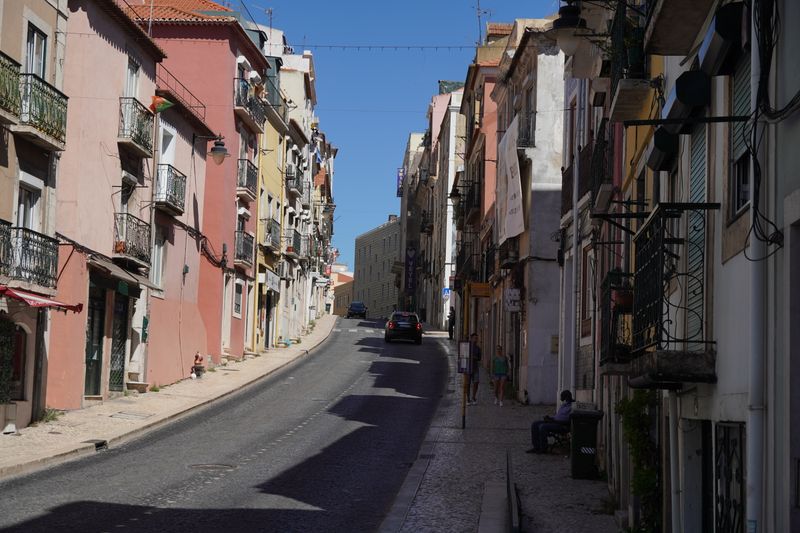
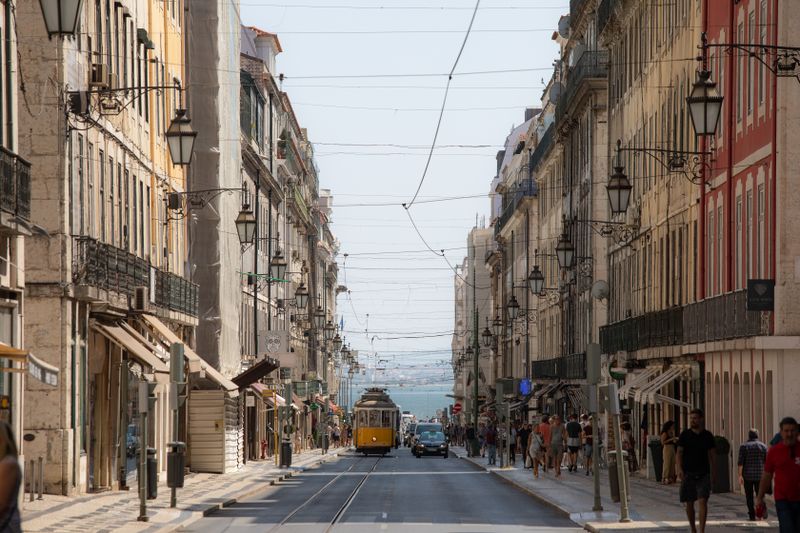
A lane with buildings four or five storeys high on both sides behaves like a duct. Sound entering it travels along its length with much less attenuation than it would in the open. Voices at street level reach bedrooms two or three floors up almost undiminished.
Where it helps most, on a stepped street the effect is amplified further by the geometry.
Summer removes the barrier
With limited air conditioning in older stock, windows stay open through the warm months. An open window removes essentially all of the sound insulation a building provides. This is why the same street is tolerable in February and unbearable in July for the people living on it.
It also means residents hear far more of each other than they would in a modern building.
What actually carries
Rolling suitcase wheels on stone paving are extraordinarily loud and are the most commonly cited late-night complaint. Laughter, raised voices and phone calls carry further than music at conversational volume. Stairwells and light wells transmit sound between flats vertically with almost no loss.
Doors, especially heavy street doors on springs, ring through an entire building.
If you are staying
A flat facing a narrow lane will be noisier than one facing a wider street, counterintuitively, because of the channelling. Reading accommodation reviews specifically for noise is more useful than reading them for anything else. Earplugs are a cheap and genuinely effective solution for a few nights.
The useful part is this: uphill and one street off the main route is usually much quieter for very little inconvenience.
If you are visiting late
Moving a conversation off a residential lane onto a commercial street is a small act with a large effect on someone sleeping. Carrying luggage over the worst of the paving rather than wheeling it is genuinely appreciated after midnight. Noise complaints are the single most common grievance residents raise about visitors, ahead of numbers or prices.
It costs nothing to get this right and it is the part of the tourism argument entirely within your control.
The sounds that are not complaints
The acoustics that carry a shouted conversation also carry the things worth hearing: bells marking the hour from three directions at once, a ferry horn coming up off the water, and gulls audible several streets inland. Street traders still announce themselves by sound rather than by signage, and the whistle of a knife sharpener or the recorded call of a van selling gas bottles is a real part of a neighbourhood's week. Domestic sound makes up most of the rest, because with the windows open you get televisions, cutlery, somebody practising an instrument badly and an argument two floors up, which is simply what a lived-in street sounds like.
In practice, standing still in a lane for a minute instead of walking through it costs nothing and tells you more about a neighbourhood than any viewpoint above it will.
The takeaway
Hard surfaces, narrow streets, open windows. Assume you are being heard.
Small and repeatable beats ambitious and abandoned, almost every time.
Questions readers ask
Are the historic quarters loud at night?
Parts of them, particularly near nightlife streets and in summer with windows open. Residential lanes uphill are usually much calmer.
Do double-glazed windows help?
Substantially, when they are closed. Many older flats do not have them, and in summer people open the windows anyway.
Also by Helena Sá
- Alfama, Graça and the difference two streets makeNeighbourhoods
- Roast level is a decision about acidity, not about strengthCafés & Coffee
- Why the same beans taste different in two cafesCafés & Coffee
- Portuguese espresso is not a smaller Italian oneCafés & Coffee