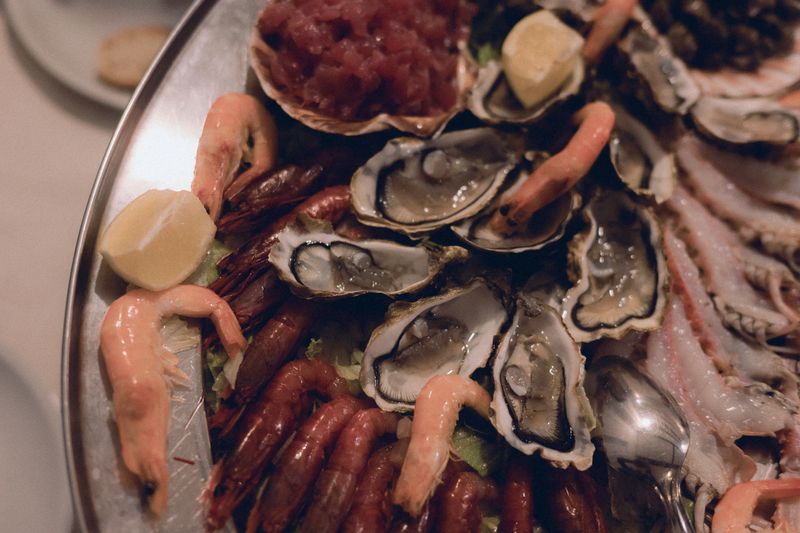
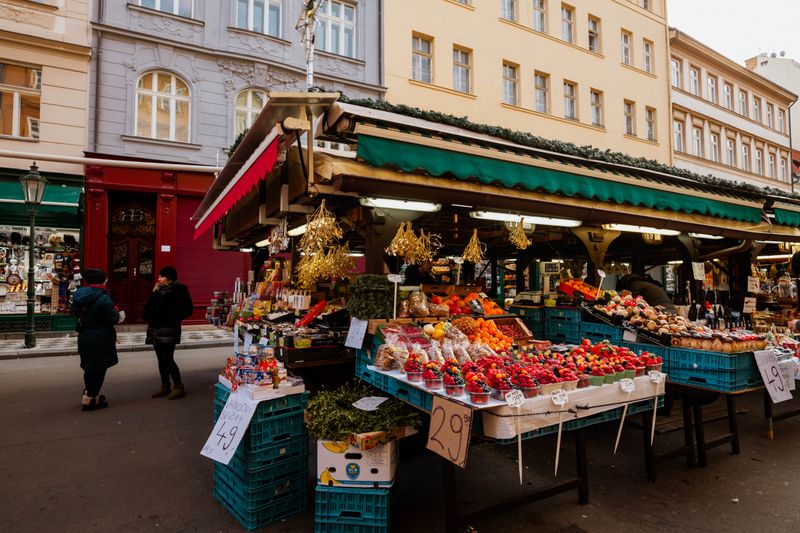
Eating
Grilled sardines belong to a few weeks, not to the year
The fish is fattest in high summer and thin the rest of the time, which is why the smell of charcoal is seasonal and why the out-of-season version disappoints.

Everything below about sardine season comes from what actually happens rather than from what is supposed to.
What holds up in practice
- Oil content in the fish peaks in the warm months.
- Fat is what makes grilling work, so the season is the whole point.
- Bread underneath the fish is part of the method, not a garnish.
Fat is the reason for the season
Small oily fish build up fat reserves through the warmer months and lose them around spawning, so their oil content swings enormously across the year. Grilling over charcoal works because that fat renders, drips, flares and bastes the fish from the outside as it cooks. A lean fish on the same grill dries out, sticks and tastes of very little, which is why the out-of-season version is a poor imitation.
This is why the tradition concentrates into high summer rather than being spread evenly, and why people talk about it as an event. The seasonality is biological rather than cultural, and no amount of demand can move it.
How the grilling works
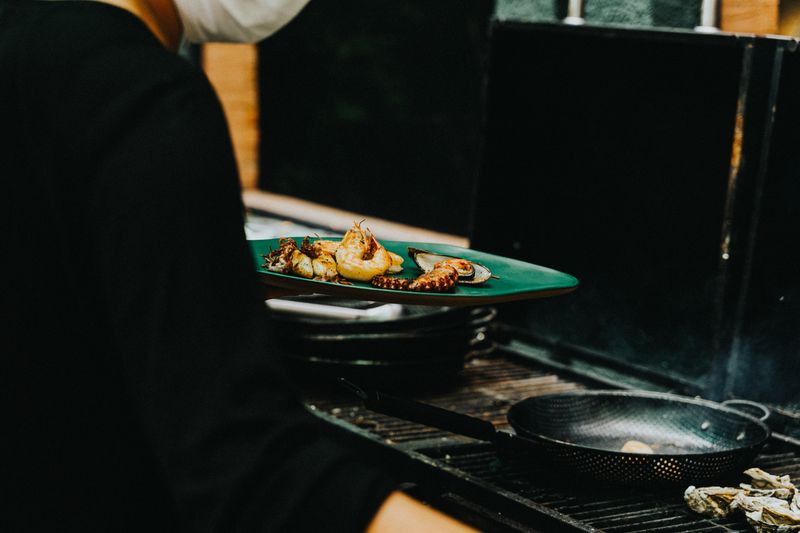
The fish are cooked whole and ungutted in the traditional method, over open charcoal, with nothing but coarse salt applied. Whole cooking protects the flesh, and the skin blisters and blackens in patches, which is correct rather than careless. Charcoal matters because the fat dripping onto it produces smoke that flavours the fish from below as it cooks.
For most people, turning is done once, and cooking is fast, because a small fish needs only minutes on each side over serious heat. Grills are set up outdoors precisely because the smoke is copious and is a feature rather than a problem.
The bread underneath
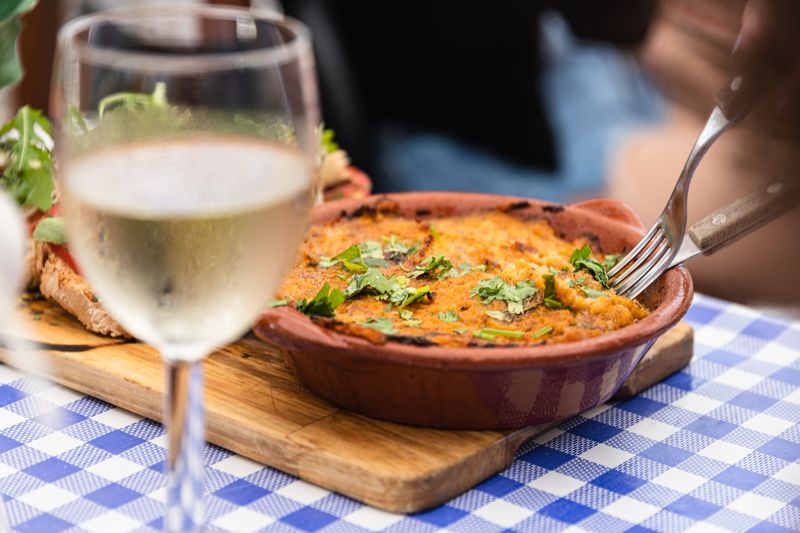
A thick slice of bread placed beneath the fish catches the rendered oil and juices, which is the point of it being there. That soaked bread is eaten afterwards and is, for many people, the best part of the whole plate.
Put simply, it also serves a practical purpose in street settings, where a fish on bread can be eaten standing without cutlery. Boiled potatoes and a simple salad of tomato, onion and pepper are the usual accompaniments and are deliberately plain. The plainness is structural: everything on the plate exists to set off an intensely flavoured, oily, smoky fish.
Eating one properly
The traditional approach is to eat the flesh from each side with a fork, lifting the spine out in one piece before starting the second side. The skin is edible and carries much of the char and salt, so removing it discards a large part of the flavour. Bones are numerous and fine, and eating slowly is genuinely the whole technique rather than a matter of skill.
On an ordinary week, a squeeze of nothing at all is the norm, since the fish is already salted and the oil is doing the work of a sauce.
Anyone who dislikes strongly flavoured fish will not be converted by a good example, and that is a legitimate preference.
The festive association
Summer street festivals in the old quarters are strongly associated with grilled sardines, charcoal smoke and improvised outdoor tables. The association is genuine and long-standing, and it is when the neighbourhoods put their own social life onto the street.
Put simply, it also means enormous demand concentrated into a short period, which pushes prices up and quality down at the busiest stalls. Eating them slightly outside the peak, in an ordinary restaurant rather than at a festival grill, is usually the better meal. The festivals are worth attending for what they are, which is a neighbourhood party rather than a food event.
Sustainability, honestly
Small pelagic fish populations fluctuate considerably, and catch limits for them have been tightened and loosened repeatedly in recent decades. That is a genuine constraint rather than a marketing story, and it affects both availability and price in ways nobody at a grill controls.
For most people, buying at the right time of year is aligned with the biology, since fishing pressure and fish condition are both managed seasonally. Other small oily fish are grilled the same way and are excellent, and asking what is good today is the sensible approach. Insisting on one species out of season is the least defensible way to eat here, on both flavour and stock grounds.
The takeaway
Follow the fat, not the calendar on a menu. Out of season, order something else.
Small and repeatable beats ambitious and abandoned, almost every time.
Questions readers ask
When are sardines actually good?
The warm months, when their fat content is highest. Outside that window they are lean, and grilling them produces a dry, disappointing fish.
Why is the bread under the fish?
To catch the oil and juices as the fish cooks and rests. It is meant to be eaten, and many people consider it the best part.
Also by Inês Carvalho
- How to order coffee in Lisbon without overthinking itCafés & Coffee
- The hills are the transport systemPracticalities
- Sintra in a day, done properlyDay Trips
- What catches visitors outPracticalities