Eating
Salt cod is a technology, not a fish
A country with a long coastline built its defining dish around a fish caught in cold northern waters. The reason is preservation, and it shaped the cooking.

This is written to be used rather than admired. Each section below is a decision about salt cod, and each one has a default.
Before you start
- Salting and drying made fish storable long before refrigeration.
- The fish is rehydrated over days before it is cooked.
- Thickness of the cut determines both soaking time and price.
Why preserve a fish at all
Fresh fish spoils within a day or two without cold storage, which made it useless for feeding inland populations or crews at sea. Salting draws water out of the flesh and creates conditions in which spoilage organisms cannot function, and drying finishes the job. The result keeps for months at room temperature, travels without ice, and concentrates protein into a light, dense form.
That combination made preserved fish one of the most important foods in Europe for centuries, particularly where religious observance required it. Understanding it as a storage technology rather than as a delicacy explains almost everything about how it is used in the kitchen.
Why a northern fish
The species that takes salt best is caught in cold northern waters, far from the coastline of the country that made it a national dish. Fishing fleets sailed north for months at a time, salting the catch on board because there was no other way to bring it home. Local waters produce excellent fresh fish, but those are eaten fresh, which is a different food serving a different purpose.
Put simply, so the apparent paradox of a maritime nation building its winter cooking around an imported fish resolves immediately once storage is the question. The trade that resulted linked distant fishing grounds to Mediterranean and Atlantic kitchens for a very long time.
Bringing it back to life
Dried salted fish is rock hard and inedible as sold, and must be soaked in repeatedly changed cold water over a period of days. The soaking rehydrates the flesh and removes most of the salt, and skipping it produces something genuinely unpleasant. Thicker cuts take longer, which is why the loin costs more and is soaked separately from thinner tail pieces.
Water is changed several times, and the last stage is often done in the refrigerator to keep the fish cold while it finishes. Shops sell it already soaked as well as dried, and frozen desalted portions are now common for exactly this reason.
What salting does to texture
The process changes the protein structure, so the cooked result is firmer and flakes into distinct layers rather than falling apart. That texture is the point, and it is why the preserved version cannot simply be replaced with the same fish fresh. It also holds up to long cooking with potatoes, oil, garlic and eggs without disintegrating, which fresh fish would.
Put simply, recipes therefore treat it more like a robust ingredient to be combined than like a fillet to be respected.
Anyone expecting the delicacy of fresh fish will be confused by the first encounter, which is a category error rather than a disappointment.
Quality and price
Price is driven by thickness, the part of the fish, and how it was cured and dried, and the range between grades is very wide. A thick pale loin properly dried is an expensive ingredient, and it is treated as such at festive meals. Cheaper thin pieces are perfectly good shredded into dishes where texture matters less and other ingredients carry the plate.
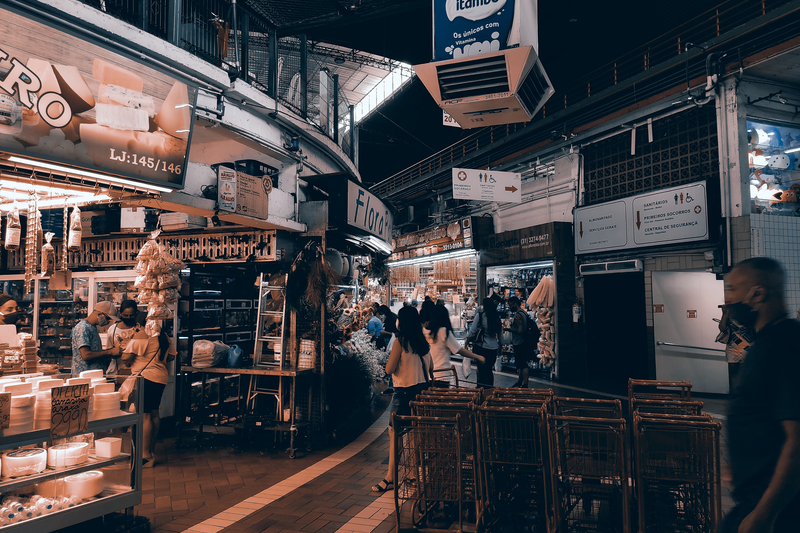
Yellowing, an ammoniac smell or excessive dryness at the edges are the signals to avoid a particular piece. Buying it is one of the few remaining shopping tasks here where people still ask a specialist counter for advice.
Where it sits in the year
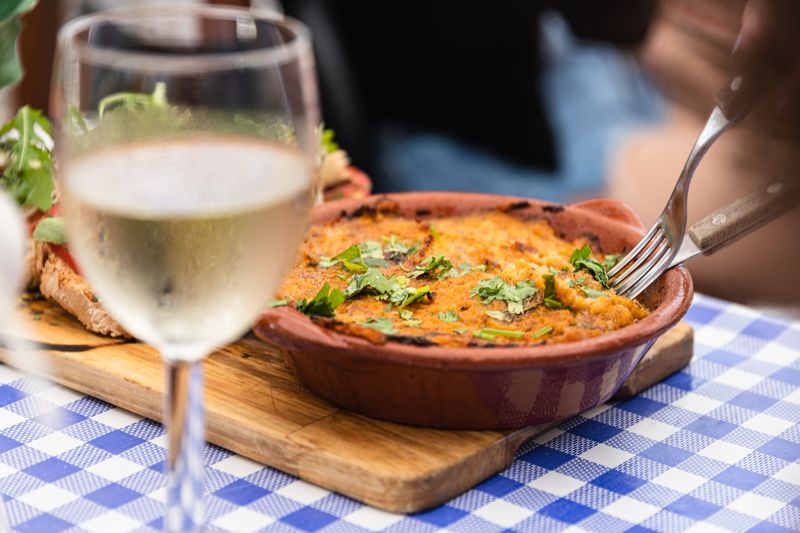
It is strongly associated with festive meals in winter, and with religious observance historically, which is why supply peaks then. Everyday versions appear year round in cheap fried forms, in shredded dishes and in casseroles, and are ordinary rather than ceremonial. Restaurants often have several preparations on one menu, which reflects how many distinct dishes the ingredient supports.
The number of named preparations is a piece of folklore rather than a countable fact, so treat any specific figure with suspicion. Trying two very different preparations rather than one is the fastest way to understand why the ingredient matters so much.
The takeaway
It is a storage method that became a cuisine. Judge it as its own ingredient.
Pick the one that costs you least, and let the rest wait.
Questions readers ask
Why is a coastal country famous for preserved fish?
Because preservation solved storage and transport before refrigeration existed. Fresh local fish is eaten fresh and serves a different purpose.
Can I cook it straight from the packet?
Only if it was sold already soaked or frozen desalted. Dried salted fish needs days of soaking with several changes of water.