Eating
Fish sold by weight, and how that bill is built
Whole fish and shellfish are priced per kilo rather than per plate. The number on the menu is not what you will pay, and knowing that avoids the only real surprise.

The theory of fish by weight is well covered elsewhere. This is about the version you meet in practice.
What holds up in practice
- Prices marked per kilo apply to the raw weight of what you choose.
- Asking for the weight before it is cooked is normal and expected.
- Shellfish is where the difference between expectation and bill is largest.
How the pricing works
A whole fish or a portion of shellfish is priced by weight, so the menu shows a rate per kilo rather than a price per serving. The fish is selected, weighed and cooked, and the bill reflects the actual weight rather than a standard portion.
This is completely standard in fishing countries and is not a device aimed at anyone, but it does require you to engage with it. Because fish vary considerably in size, two people ordering the same species can pay quite different amounts. The system is fair and transparent as long as the weight is agreed before cooking, which is why that step exists.
The conversation to have
Ask to see the fish, ask what it weighs, and ask what that will come to, all of which are entirely routine requests. A good restaurant will bring the fish to the table on a tray, and will happily weigh it in front of you if asked. If a fish is too large for the number of people eating, say so, and a smaller one or a shared portion will be found.
In practice, nobody considers any of this rude, and staff in serious fish restaurants have this conversation constantly. The only mistake is nodding at a fish without asking anything and then reacting to the bill.
Where the shocks happen
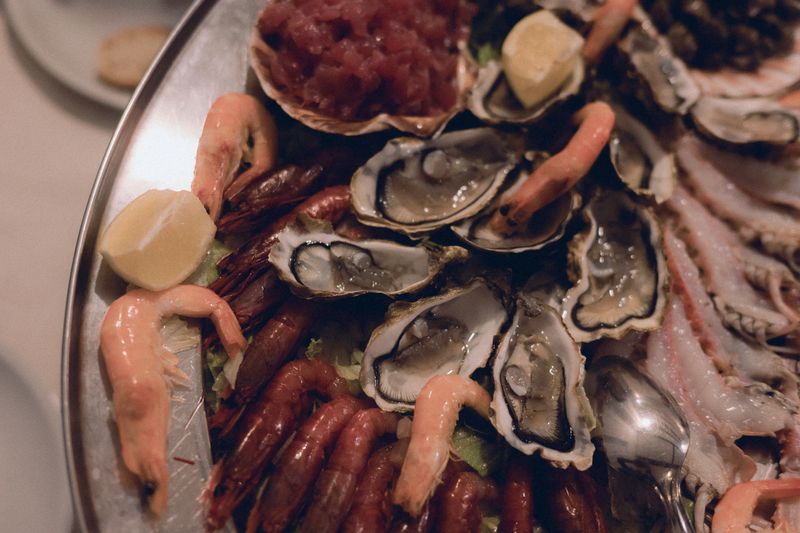
Certain shellfish carry very high per-kilo rates, and the weight includes shell, which makes the ratio of price to food eaten unfavourable. Goose barnacles and certain crustaceans are the classic examples, and they are expensive because harvesting them is difficult and often dangerous. Ordering these by pointing at a tank without asking the rate is how people end up with a bill they did not expect.
On an ordinary week, the price is not a scam; it is a genuinely scarce product, and the rate is usually displayed somewhere. Treating shellfish as a deliberate splurge rather than as a casual side order is the sensible framing.
What determines the rate
Species, size, whether it was caught wild or farmed, and how it was landed all move the per-kilo rate substantially. Larger individuals of the same species often cost more per kilo, because they are scarcer and considered better eating.
Seasonality matters, since some species are restricted or simply absent at certain times and prices reflect that. Coastal restaurants close to a landing point sometimes charge less for the same fish, though not reliably.
A restaurant listing an unusually low rate for a normally expensive species is worth a question rather than an assumption.
Cooking, and what comes with it
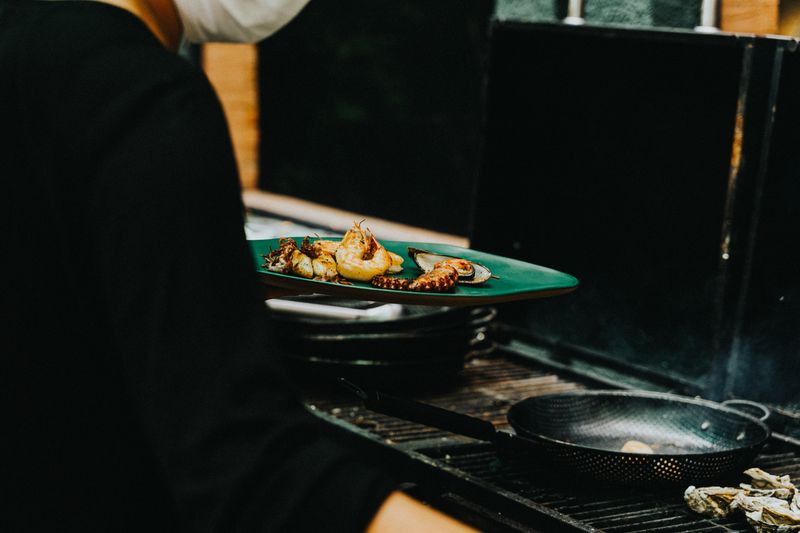
Whole fish is most often grilled over charcoal with salt, and the simplicity is deliberate rather than a lack of ambition. It arrives whole and is frequently filleted at the table, which is a skill worth watching and is included in the service. Accompaniments are usually boiled potatoes and greens or a plain salad, and these are often charged separately.
Where it helps most, the head and the cheeks are considered among the best parts, and leaving them is a small waste rather than an error. Two people sharing one larger fish is common and often better value than two small ones cooked separately.
Adjust the size of it until it is something you would actually do tired.
Reading a fish restaurant
A blackboard listing what came in today, with rates beside it, is the sign of a place that buys daily rather than from a freezer. A tray of iced whole fish on display near the entrance serves the same purpose and invites exactly the conversation described above. Restaurants that only list fillets and portions are not necessarily worse, but they are running a different, more predictable model.
Where it helps most, the busiest hours in a good fish place are at lunch, which is when the morning's landing is at its freshest. Asking simply what is good today is the single most useful sentence available in any fish restaurant in this country.
The takeaway
See it, ask what it weighs, ask what that costs. Then enjoy it.
Small and repeatable beats ambitious and abandoned, almost every time.
Questions readers ask
Why is the price per kilo?
Because whole fish vary in size. You pay for the actual weight of the fish you chose, which is why it should be weighed before cooking.
How do I avoid a surprise bill?
Ask the weight and the resulting price before it goes on the grill. This is routine, expected, and takes ten seconds.
Also by Inês Carvalho
- How to order coffee in Lisbon without overthinking itCafés & Coffee
- The hills are the transport systemPracticalities
- Sintra in a day, done properlyDay Trips
- What catches visitors outPracticalities