Neighbourhoods
Where the tourist map stops
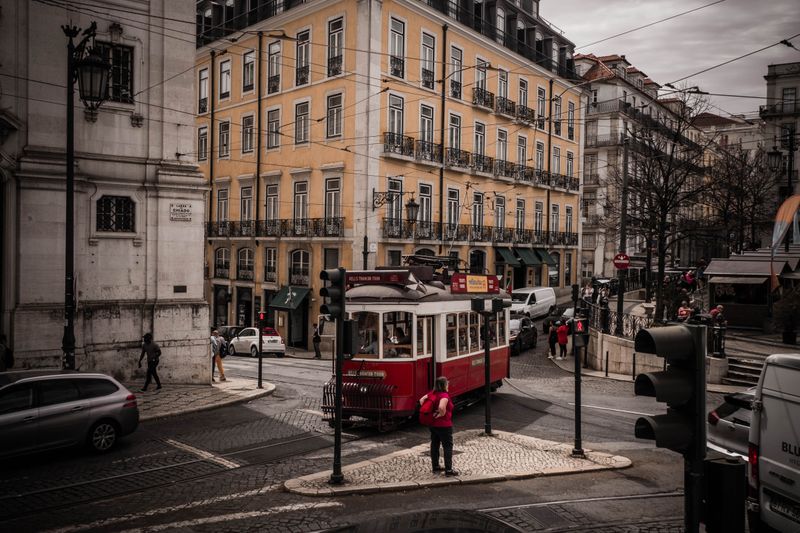
There is a fairly hard boundary around the visited city, and crossing it changes prices, language and the entire register of a street.

What follows is an argument about the edge of the visited city, and about where the received version of it stops being true.
The argument in brief
- The visited area is far smaller than most people assume, often a few square kilometres.
- Prices and English fluency both fall sharply at the boundary.
- Being outside it means adjusting your behaviour, not just your expectations.
The boundary is real and narrow
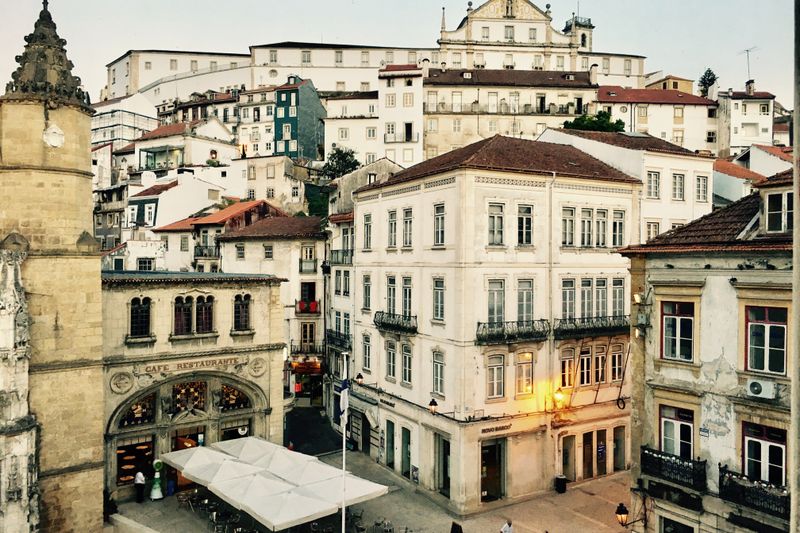
The overwhelming majority of visitors move within a small central area between the river, the castle hill and the western slopes. Twenty minutes on foot or two metro stops beyond it puts you somewhere with almost no visitor presence at all.
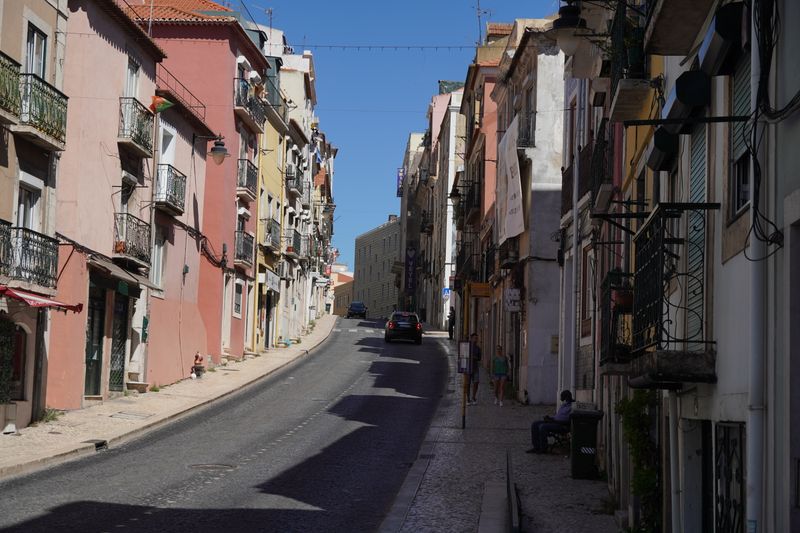
The transition is often abrupt, happening over a couple of blocks rather than gradually. You can usually feel it before you can point to what changed.
What changes first
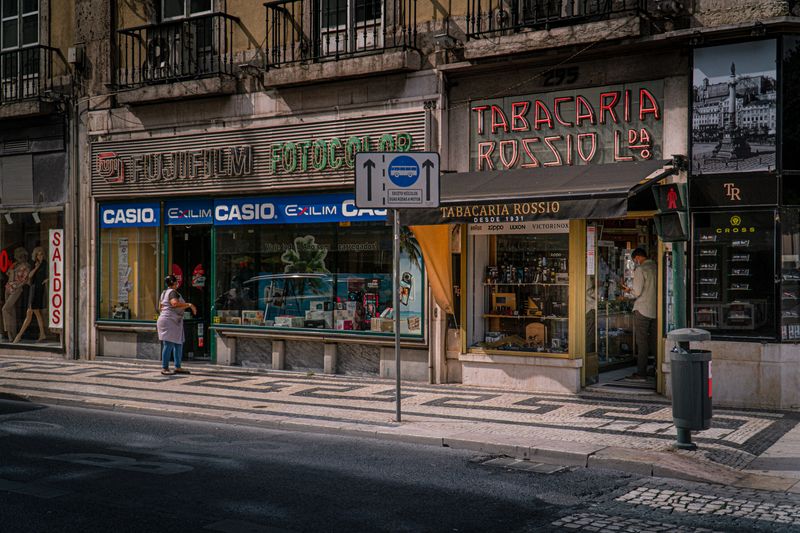
Menus stop being translated, prices drop, and cafés stop having anyone whose job includes explaining things. Shops go back to selling things residents need rather than things visitors buy.
Street furniture, paving and signage are maintained to a visibly different standard. None of this is hostile; it is simply a street that is not in the business of hosting.
How to behave over the line
Learning the handful of words for ordering matters much more here than in the centre. Photographing people, doorways and washing lines is intrusive in a residential street in a way it is not in a square. Patience with a slower, less English-speaking service is the minimum courtesy.
The reward is a completely ordinary experience, which is the point.
The eastern and western extremes
The riverfront east of the centre has been redeveloped in stretches and holds industrial fabric, new housing and long walkable quays. The western reaches beyond the old palaces run into hillside neighbourhoods and green space with very little visitor traffic. Both are reachable on ordinary public transport in well under half an hour.
Neither has a single sight worth a queue, which is why they stay quiet.
The south bank counts too
A short ferry crossing lands you in a set of towns with their own centres, markets and rhythms. They are commuter places rather than attractions, with prices to match.
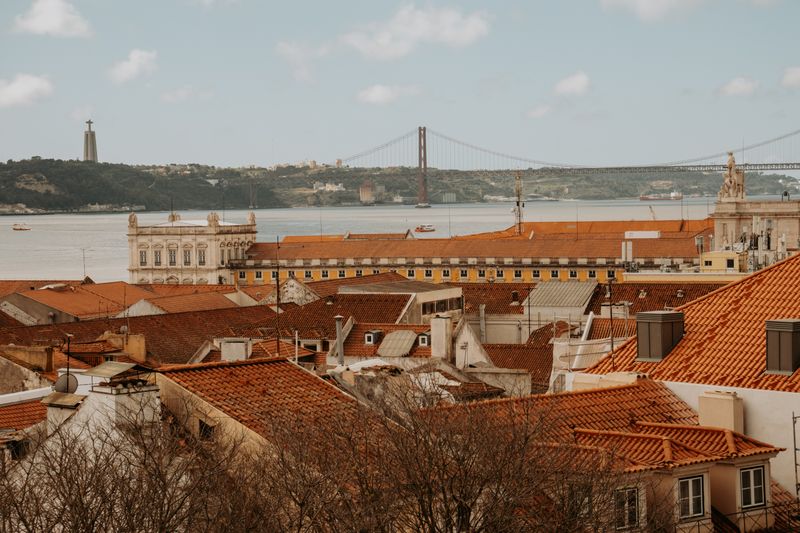
On an ordinary week, the view back across the water is the one thing about them that does appear in photographs. The crossing itself is used by thousands of residents daily and is an ordinary journey, not an excursion.
Not a hierarchy
Being outside the visited zone does not make a neighbourhood more authentic or more virtuous. Plenty of it is simply residential, unremarkable and not especially interesting to walk.
The useful version of this is spreading your money and your footfall rather than hunting for a hidden real city. The centre is also a real place where real people live and work.
Adjust the size of it until it is something you would actually do tired.
Why the line sits where it does
The boundary is drawn less by charm than by beds, because visitor footfall pools within a short walk of wherever short-term accommodation is concentrated and thins out almost exactly where that concentration stops. The other two forces are the routes that coaches and large arrivals can physically use, which street width and gradient limit severely, and the walking line between whichever sights charge admission. That is why a handsome quarter with no accommodation, no coach access and nothing ticketed can sit minutes from a crowded one and stay empty for decades at a time.
It also means the line moves when licensing rules change or a new transport link opens, which is a slow shift residents track far more closely than visitors ever do.
The takeaway
The visited city is tiny. Twenty minutes in any direction is an ordinary one.
Small and repeatable beats ambitious and abandoned, almost every time.
Questions readers ask
Is it safe to walk in areas with no tourists?
Generally yes, with the same ordinary urban judgement you would use anywhere. Quiet residential districts are usually calmer than crowded central ones.
Will people mind me being there?
No. Visitors walking through a residential neighbourhood are unremarkable. Noise late at night in a street full of flats is the thing people actually object to.
Also by Helena Sá
- Alfama, Graça and the difference two streets makeNeighbourhoods
- Roast level is a decision about acidity, not about strengthCafés & Coffee
- Why the same beans taste different in two cafesCafés & Coffee
- Portuguese espresso is not a smaller Italian oneCafés & Coffee