Neighbourhoods
The pavement is a craft, and it is slippery
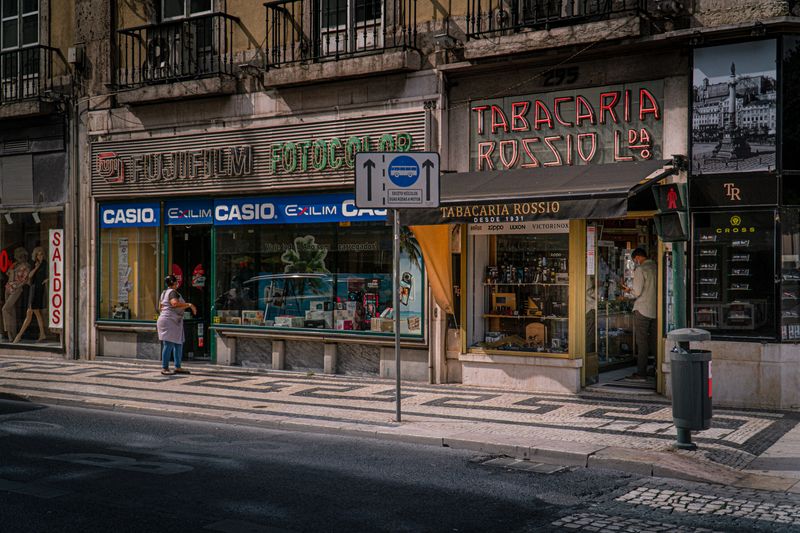
The patterned stone underfoot is laid by hand, one piece at a time, and it behaves badly in rain.

Everything here earned its place by changing an outcome. Nothing about the stone pavement is included to round the number up.
What matters most
- The paving is hand-laid limestone and basalt set in sand, not poured or cast.
- Foot traffic polishes it smooth, which is what makes it slip.
- The trade is shrinking and replacement in wet-prone areas is contested.
How it is made
Small cubes of limestone and basalt are shaped by hand with a hammer and set individually into a bed of sand and cement. The patterns are laid from a design, cube by cube, by a specialist trade with its own apprenticeship.
The whole surface is then compacted and the joints filled, which is why it can be lifted and relaid for utility work. It is closer to mosaic-making than to laying a pavement.
Why it is slippery
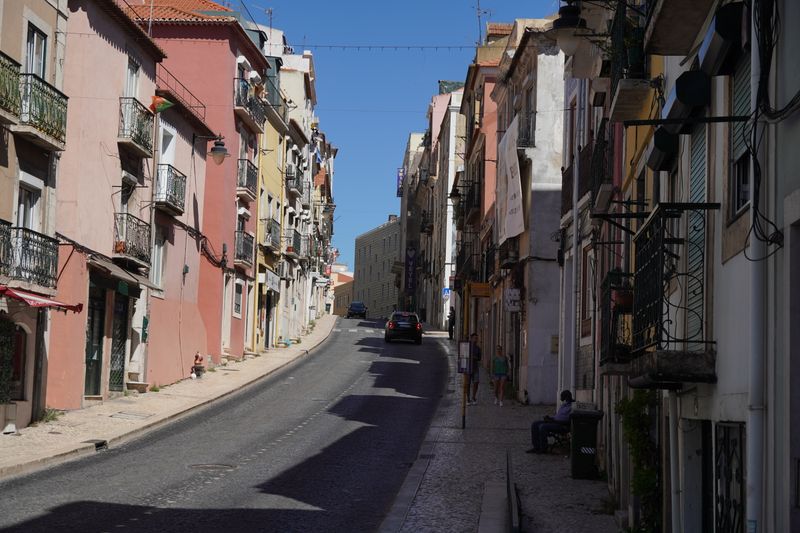
Limestone polishes under sustained foot traffic, and a busy street wears the cubes to a shine within years. A polished surface plus water plus a gradient is a genuinely poor combination, and falls are common. The steepest and most worn streets in the old quarters are the highest risk.
On an ordinary week, shoes with real grip matter more here than in most cities, and smooth-soled shoes are a bad idea in rain.
What it does well
It is permeable at the joints, so water drains between the stones rather than sheeting across the surface. It is repairable in small patches, which suits a city constantly digging up utilities. It handles ground movement better than a rigid slab, which matters in a place with a seismic history.
The useful part is this: it is also, by any reasonable measure, beautiful.
The patterns mean things
Wave patterns near the river, compass roses, ship motifs and city emblems recur across the centre. Some designs mark civic spaces and some are simply the local convention of a particular street or period. Contrasting black basalt against white limestone is the basic vocabulary and the variation comes from geometry.
Once you start reading the ground you notice how much information is on it.
A shrinking trade
The skill is taught through apprenticeship and the number of working pavers has declined substantially. Municipal schools and training programmes have been run to address this with mixed success. Where the skill is unavailable, damaged sections get replaced with concrete or asphalt.
That substitution is visible across the city and is a slow, largely unremarked change.
The safety argument
There is a real municipal debate about replacing polished paving on steep or high-traffic routes with rougher surfaces. One side prioritises accessibility and injury reduction; the other prioritises heritage and craft continuity. Treatments exist that roughen the surface, with varying durability and appearance.
It is an unresolved trade-off between two legitimate goods rather than a case with an obvious answer.
None of this is a substitute for talking to a clinician if something feels wrong.
How to walk on it in the wet
The polished band is generally the middle of a street where feet have fallen for a century, while the edges nearer the buildings and the joints between the cubes hold considerably more grip. Short steps with the foot set down flat, rather than a long stride landing on the heel, keeps your weight over the contact point, which is what residents do in the rain without thinking about it.
Descending is the dangerous direction, and taking a steep street on a diagonal is far easier to control than walking straight down the fall line of it. Wet leaves, painted markings and metal utility covers are all worse than the stone itself, and on a slope those are the specific things to plan a step around.
Everything above, in order of what to do first
- How it is made. Small cubes of limestone and basalt are shaped by hand with a hammer and set individually into a bed of sand and cement.
- Why it is slippery. Limestone polishes under sustained foot traffic, and a busy street wears the cubes to a shine within years.
- What it does well. It is permeable at the joints, so water drains between the stones rather than sheeting across the surface.
- The patterns mean things. Wave patterns near the river, compass roses, ship motifs and city emblems recur across the centre.
- A shrinking trade. The skill is taught through apprenticeship and the number of working pavers has declined substantially.
- The safety argument. There is a real municipal debate about replacing polished paving on steep or high-traffic routes with rougher surfaces.
The takeaway
Look down: it is hand-laid mosaic, and it will drop you on a wet hill if your shoes are smooth.
Pick the one that costs you least, and let the rest wait.
Questions readers ask
Is it really that slippery?
On worn, polished stone on a slope in rain, genuinely yes. Falls are common enough that residents change how they walk in wet weather.
Is it accessible?
Poorly, in places. Uneven surfaces, missing cubes and camber make wheeled movement difficult in older streets, and newer areas are considerably better.
Also by Duarte Ferreira
- Viewpoints without the queueNeighbourhoods
- Tiles are cladding, not decorationNeighbourhoods
- The staircase streets and how they organise a hillNeighbourhoods
- Two microclimates: the riverside and the ridgeNeighbourhoods