Neighbourhoods
What A University Quarter Does To The Streets Around It
A concentration of students changes a district's opening hours, rents, shop types and summer emptiness, and the effects reverse every year in a way no other land use does.

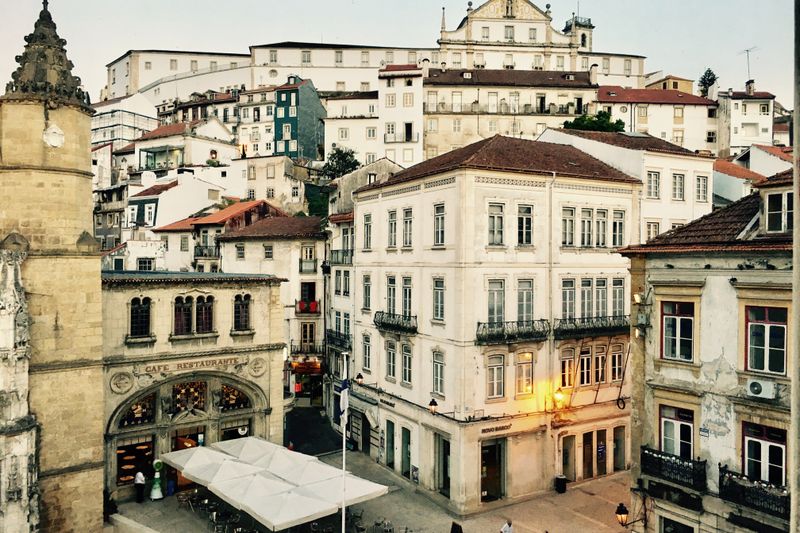
Districts near the city's faculties behave differently from their neighbours, and the differences are systematic. A large student population changes the economics of a street in predictable ways.
The daily rhythm is set by timetables
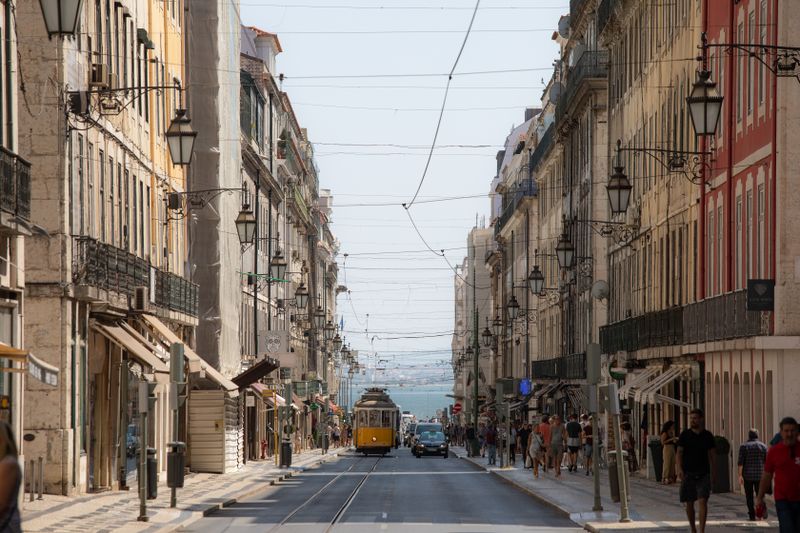
Faculty timetables concentrate movement into short bursts between classes, so the surrounding streets fill and empty several times a day at fixed hours.
Cafés and cheap food near a faculty are therefore built for peaks rather than steady trade, with counter service, fast turnover and low prices.
They also close early. Once the last classes finish the demand disappears, and a room that was full at two can be shut by seven.
Housing splits into rooms rather than flats
Student demand is for a room in a shared flat rather than a whole apartment, and a landlord letting by the room earns more than letting the unit whole.
That converts family-sized apartments into shared housing, which raises the number of people per building and changes how the stairwells and courtyards are used.
It also puts upward pressure on rents for everyone else, because the per-room calculation outbids a household looking for a single tenancy.
The retail mix narrows
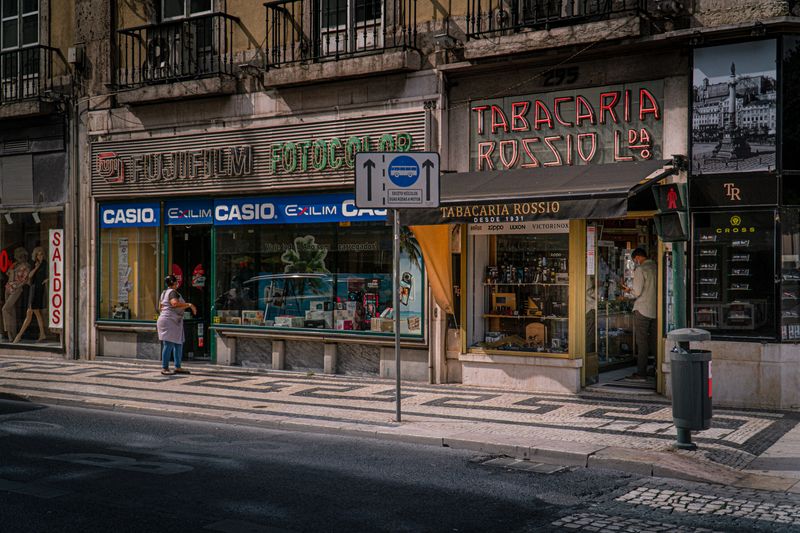
Shops serving students cluster tightly: stationery and printing, cheap eating, bars, phone repair, second-hand books and laundry.
Businesses serving families and older residents lose ground, because they cannot match the rent that a high-turnover student-facing use can pay.
The narrowing is most visible in food retail, where general grocers give way to convenience shops with longer hours and a limited range.
Summer removes the population entirely
Between the end of examinations and the start of term, the student population largely leaves, and the district loses much of its trade for months.
Businesses respond by closing for a stretch, reducing hours or taking their annual break then, which compounds the emptiness rather than offsetting it.
That seasonal hollowing is why these streets can feel abandoned in August and crowded in October without anything else having changed.
The permanent residents adapt around it
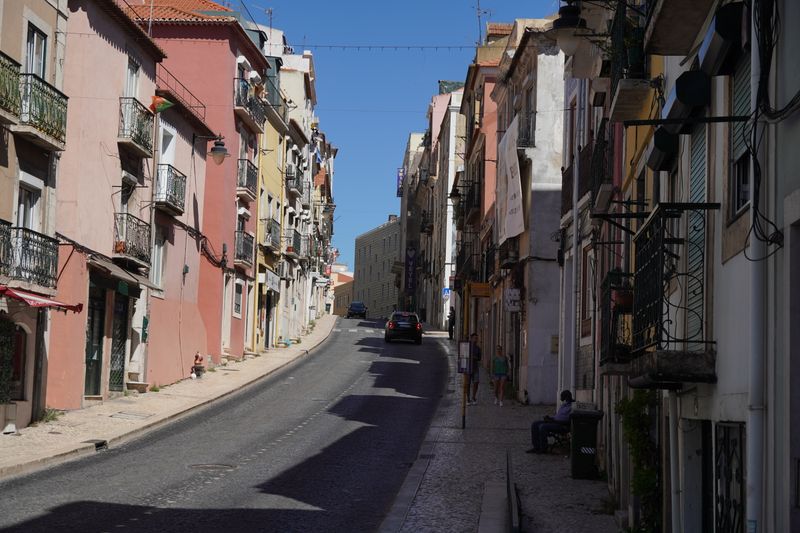
Long-standing residents in these districts organise their week around the student rhythm, using local services at the hours when the streets are quiet.
Noise is the recurring friction, particularly where bars serve a young population in streets of dense old housing with poor sound separation.
Where a district manages that tension well it is usually because the bars and the housing are on separate streets, not because anyone behaves differently.
Questions readers ask
Which neighbourhood should I stay in?
For a first short visit, somewhere central and flat is easiest. For a longer stay, one stop out is usually quieter, cheaper and more interesting.
Is the old town safe at night?
Generally yes, with ordinary caution. Pickpocketing in crowds is the realistic risk rather than anything more serious.
Also by Helena Sá
- Roast level is a decision about acidity, not about strengthCafés & Coffee
- Why the same beans taste different in two cafesCafés & Coffee
- Portuguese espresso is not a smaller Italian oneCafés & Coffee
- Grind is the dial that moves everything elseCafés & Coffee