Neighbourhoods
What A Metro Station Does To A Neighbourhood
Opening a metro station reorganizes a Lisbon district's ground floors, rents and foot traffic in a sequence that repeats, and the effects concentrate within a few streets.

A new metro station changes the streets around it in a fairly consistent order. The effects are strong, local and slower than people expect.
The catchment is measured in minutes, not miles
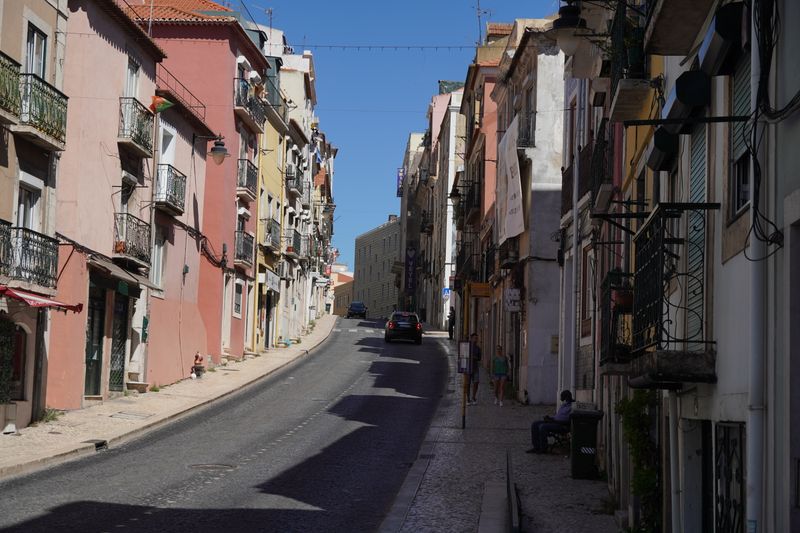
Most of a station's effect falls within a walk of five or ten minutes, and it drops off sharply beyond that. Hills shorten the radius further.
A street two blocks uphill can be effectively outside the catchment while a flatter street twice as far is inside. Gradient, not distance, draws the boundary.
Americans used to park-and-ride stations should note that these are walk-up stations with almost no parking. The catchment is pedestrian by design.
Ground floors change first
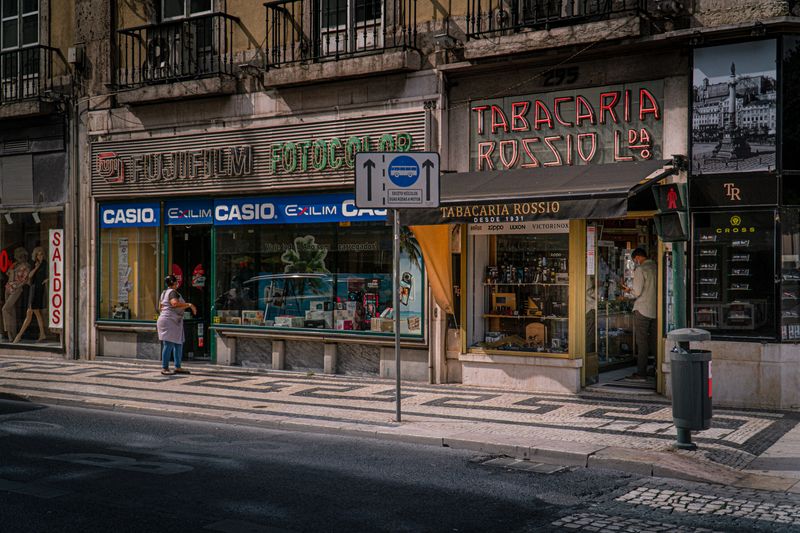
Retail responds fastest because leases are short and foot traffic is immediately measurable. New footfall past a door changes what that door can profitably sell.
Convenience businesses cluster at the exits, and the mix shifts toward things a commuter buys in passing. Bakeries, cafes and small food shops appear early.
Businesses serving a purely local trade can be priced out by that same rent increase. The street gains services and loses others.
Residential effects arrive later and last longer
Housing turns over slowly, so rent and price effects take years to show fully. Sales come first and long-term tenancies adjust last.
Reduced commuting time is capitalized into property values, which is the mechanism behind the price change. Buyers are paying for the minutes saved.
Districts that were considered remote can be reclassified as central without moving. Accessibility is what centrality actually means.
The exit location matters more than the station
Stations often have several exits spread across a couple of blocks, and each generates its own flow. One exit can transform a street while another does little.
Where an exit faces a square, the effect concentrates there and the square gains cafes and terraces. Where it opens onto a busy road, the effect disperses.
Reading which exit is busiest explains why two streets equally close to the station feel entirely different. The doors decide.
What does not change
Building stock, street widths and the position of hills are unaffected, so the physical character persists. A station does not flatten a slope.
Areas with strong existing identity and long-settled residents absorb the change more slowly than areas already in flux. The station accelerates what was underway.
Which is why the same intervention produces very different outcomes across the city. The station is an input, not the whole explanation.
Questions readers ask
Which neighbourhood should I stay in?
For a first short visit, somewhere central and flat is easiest. For a longer stay, one stop out is usually quieter, cheaper and more interesting.
Is the old town safe at night?
Generally yes, with ordinary caution. Pickpocketing in crowds is the realistic risk rather than anything more serious.
Also by Helena Sá
- Roast level is a decision about acidity, not about strengthCafés & Coffee
- Why the same beans taste different in two cafesCafés & Coffee
- Portuguese espresso is not a smaller Italian oneCafés & Coffee
- Grind is the dial that moves everything elseCafés & Coffee