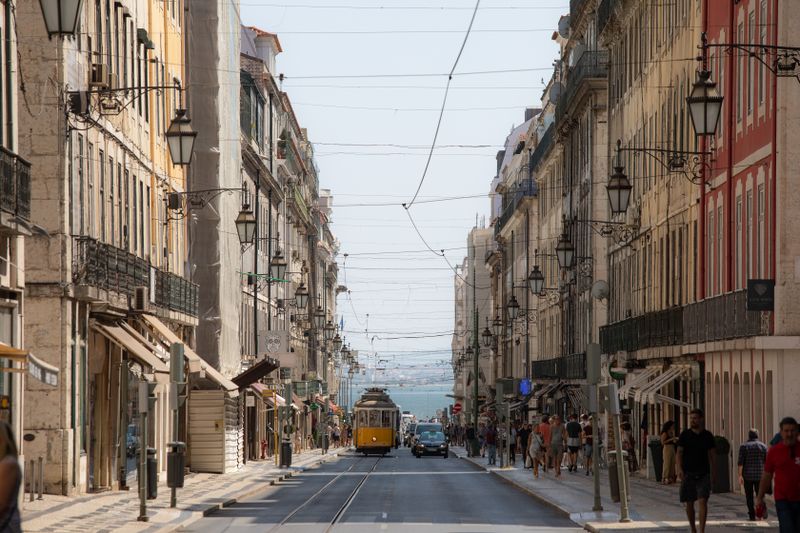
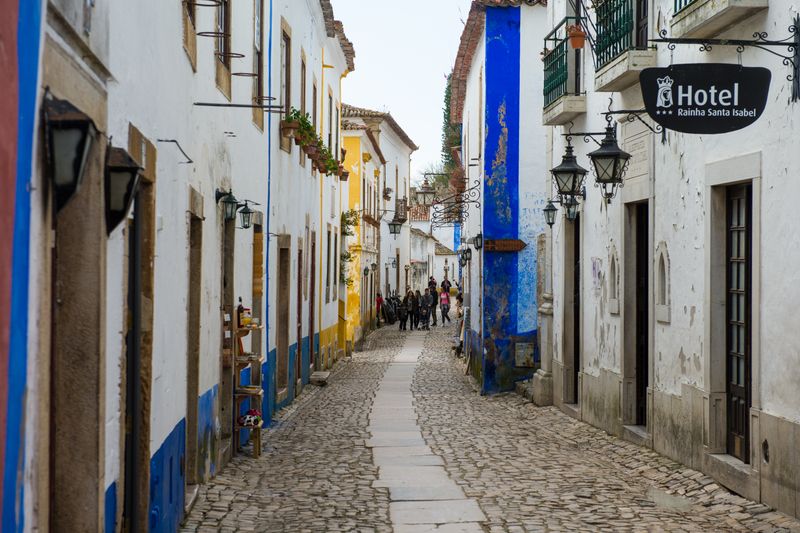
Neighbourhoods
The Parish Is The Unit The City Runs On
Freguesias are the smallest tier of local government and they handle the things residents notice most, which is why neighbourhood identity here follows parish lines so closely.
The city is divided into parishes, and this administrative layer explains far more about neighbourhood identity than the informal names people use in conversation.
The parish is a real tier of government
A freguesia has its own elected assembly and executive, a budget and a set of responsibilities delegated from the municipality above it.
Its remit covers the visible everyday: street cleaning in minor streets, small green spaces, local social support, certain licences and a range of certificates.
Because those functions are the ones residents encounter, the parish is often the level of government people deal with most and know best.
The boundaries are older than the administration
Parishes began as ecclesiastical divisions, and many boundaries still follow lines drawn around a church and the area it served.
That is why parish names so often match the name of a church, and why the boundaries can look arbitrary against modern streets and traffic patterns.
They also predate the city's expansion, which means older central parishes are tiny while outer ones can cover a large area.
A boundary reform changed the map
The number of parishes in the city was reduced substantially in a reorganisation, merging small central ones and redrawing lines to even out population.
Administratively that consolidated resources, but it also detached some names from the areas people had always associated them with.
Residents frequently continue using the old parish names socially long after the administrative unit has been absorbed into a larger one.
Parish life is more visible than it sounds
Parishes run markets, community centres, sports facilities and local festivals, and the summer street festivities are organised at that level.
They also maintain noticeboards, local newsletters and offices where residents queue for documents, which keeps the institution physically present in the streets.
A parish office is often the first place a new resident actually enters a public building, which shapes how local government is experienced.
Why it matters when reading a neighbourhood
The informal name of an area and its parish frequently differ, and a street can belong socially to one place and administratively to another.
Knowing which parish you are in explains inconsistencies in cleaning, planting, parking rules and event programming between streets that otherwise look identical.
It is also the practical answer to a lot of residents' questions, since a large share of local problems are handled at that level rather than by the city.
Questions readers ask
Which neighbourhood should I stay in?
For a first short visit, somewhere central and flat is easiest. For a longer stay, one stop out is usually quieter, cheaper and more interesting.
Is the old town safe at night?
Generally yes, with ordinary caution. Pickpocketing in crowds is the realistic risk rather than anything more serious.
Also by Helena Sá
- Roast level is a decision about acidity, not about strengthCafés & Coffee
- Why the same beans taste different in two cafesCafés & Coffee
- Portuguese espresso is not a smaller Italian oneCafés & Coffee
- Grind is the dial that moves everything elseCafés & Coffee