Cafés & Coffee
Counter, table, terrace: the three prices for one coffee
The same cup can cost noticeably different amounts within four metres, and the system is posted rather than hidden.

Everything below about cafe pricing tiers comes from what actually happens rather than from what is supposed to.
What holds up in practice
- Many cafes operate separate tariffs for counter, indoor table and terrace.
- The tariff is normally displayed and you can read it before committing.
- Table service in a busy square is a service charge in all but name.
Why three tiers exist
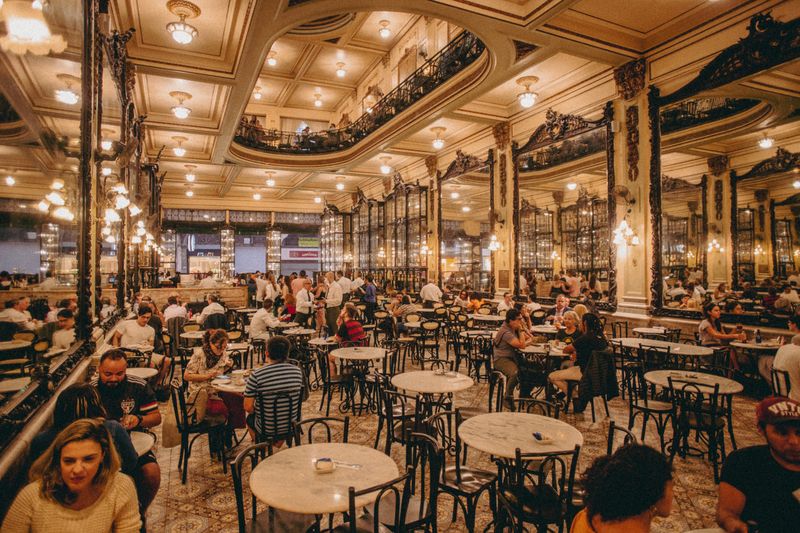
Standing at the counter uses no table, needs no waiter and frees the space in ninety seconds. A table occupies floor space for as long as you sit, and terrace space is often licensed and paid for by the business to the city.
The tiered price is a fairly honest way of charging for what each of those actually costs the café. It is a widespread European practice rather than a scheme aimed at visitors.
Reading the tariff
A displayed price list will typically show columns or separate figures for each service tier. Where it is not obvious, the price at the counter is the base one and anything else is above it.
Where it helps most, prices vary hugely between a residential street and a heavily visited square, so no useful single figure exists. Looking at the list before choosing a seat takes five seconds and prevents almost every unpleasant surprise.
Where the surprises come from
The larger bills tend to come from sitting on a prime terrace, being brought things nobody ordered, and ordering by pointing at a photograph. Anything placed on your table unrequested is chargeable and can be declined without awkwardness.
The useful part is this: a menu with no prices at all is a reason to ask before ordering, anywhere. None of this is fraud; it is the ordinary operation of a café that faces a very large number of one-time customers.
The counter is not a lesser experience
Standing at the bar is the normal way most residents drink coffee and carries no stigma at all. It is quicker, cheaper and generally puts you closer to whoever is making the coffee. Conversation at the counter is where the social function of a neighbourhood café actually happens.
Sitting down is for a longer stop, and paying more for that is a fair trade rather than a trap.
Paying and when
In many traditional cafés you order and drink first and pay on the way out, which surprises people used to prepaying. At a table you generally pay the person who served you, and you ask for the bill rather than waiting for it to appear. Cards are widely accepted and some very small places still prefer cash, so carrying a little is sensible.
The bill will not usually include a service charge, and any tipping practice sits on top of that.
Adjust the size of it until it is something you would actually do tired.
Terrace economics
Outdoor seating in the busiest squares is genuinely expensive for the operator, in licence, staff and seasonality. That cost is recovered from a smaller number of longer-staying customers, which is why the coffee costs what it does. You are paying for an hour of a view rather than for a better cup, and that can be a perfectly good purchase.
Making the choice knowingly is the entire point.
The takeaway
Read the tariff, pick your tier deliberately, and decline what you did not order.
Small and repeatable beats ambitious and abandoned, almost every time.
Questions readers ask
Should I always drink at the counter?
Only if you want to. The counter is cheapest and quickest; sitting on a square for an hour is a different and legitimate thing to buy.
What if no prices are displayed?
Ask before ordering. A café with nothing posted anywhere, in a heavily visited spot, is worth being cautious about.
Also by Inês Carvalho
- How to order coffee in Lisbon without overthinking itCafés & Coffee
- The hills are the transport systemPracticalities
- Sintra in a day, done properlyDay Trips
- What catches visitors outPracticalities