Eating
Why Dinner Starts Late And Lunch Runs Long
Meal times here follow the working day and the light rather than the clock, which pushes lunch into a long midday break and dinner well into the evening.
Eating hours here sit later than in northern Europe and earlier than in Spain. The pattern follows the working day and the sun, and it is consistent enough to plan around.
Lunch is the structural meal
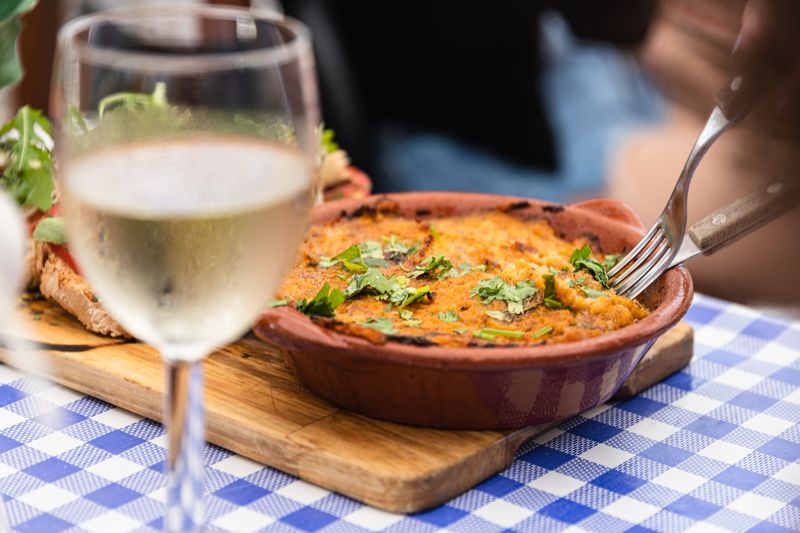
Lunch is the main meal for a large share of people, taken as a proper sitting rather than a sandwich, and the working day is built to allow it.
That is why restaurants near workplaces are full at that hour and offer a fixed daily menu designed to be served quickly at a low price.
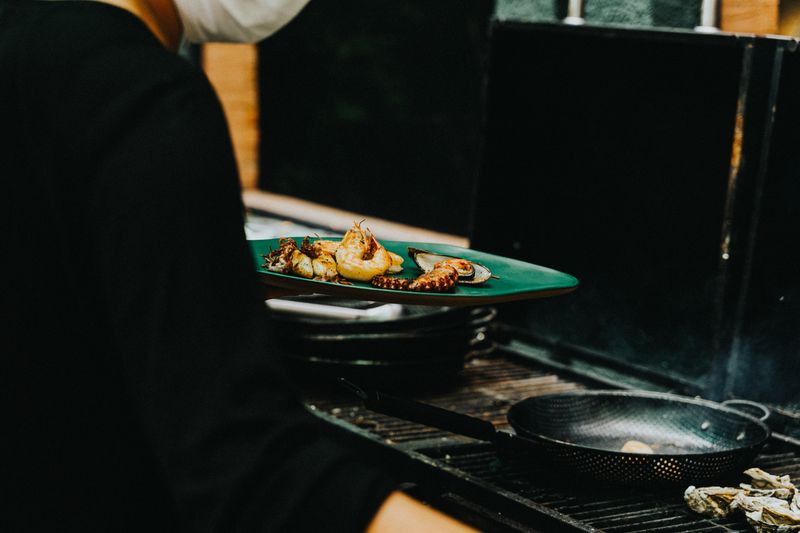
It also explains the afternoon lull. A kitchen that served a full lunch service closes and reopens rather than running continuously.
The gap in the afternoon is real
Between roughly mid-afternoon and early evening, many kitchens are shut, and the rooms that are open are cafés, pastelarias and cervejarias rather than restaurants.
This catches out visitors who arrive hungry at four and read the closed kitchens as the city being asleep. The service pattern is the cause.
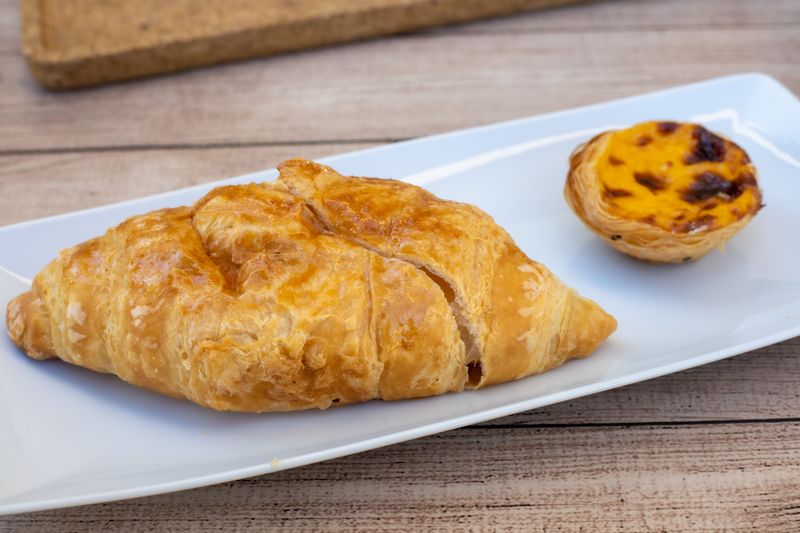
The workaround is the counter: savoury pastries, sandwiches and snacks are available continuously in rooms that never had a kitchen service to close.
Daylight pushes the evening back
Portugal keeps a clock an hour behind much of continental Europe while sitting far west, so summer evenings stay light unusually late.
People finish work, go home, and go out while it is still light, which puts the start of an evening meal later than the clock alone would suggest.
The effect is seasonal. Winter evenings compress noticeably, and dinner service starts and ends earlier when it is dark by six.
Arriving early is not a problem, but it is quiet
A restaurant opening for dinner will seat you at the start of service, and you will often have the room to yourself for the first half hour.
That has advantages, including immediate attention and a kitchen that is fresh, but it misses the atmosphere the room will have an hour later.
Conversely, arriving at the peak without a booking on a weekend means waiting, because the whole city is eating in the same narrow window.
The pattern is tighter than it looks
Kitchens close at a definite point rather than winding down, and ordering late in the service is possible but is a favour rather than an expectation.
The safest rule is to arrive inside the first hour of a service rather than at its edge, in either direction.
Once the rhythm is learned it removes most of the friction, because the city is extremely consistent about when it eats.
Questions readers ask
Why does the bread go hard so fast?
It has almost no fat, sugar or preservative, so the starch retrogrades quickly. The trade-off is a much better loaf on the day it was baked.
Is sourdough common?
Long-fermented artisan bread has grown in the city over the last decade and is easy to find, though it sits alongside rather than replacing the traditional daily roll.