Eating
Why Dessert Is Usually The Same Three Things
Restaurant dessert lists in Lisbon are short and repetitive by design, because the sweet course is a convent tradition mass-produced by suppliers rather than made in house.

Order dessert in a dozen Lisbon restaurants and much the same short list appears. The repetition is a supply arrangement rather than a lack of imagination.
The kitchen is not a pastry kitchen
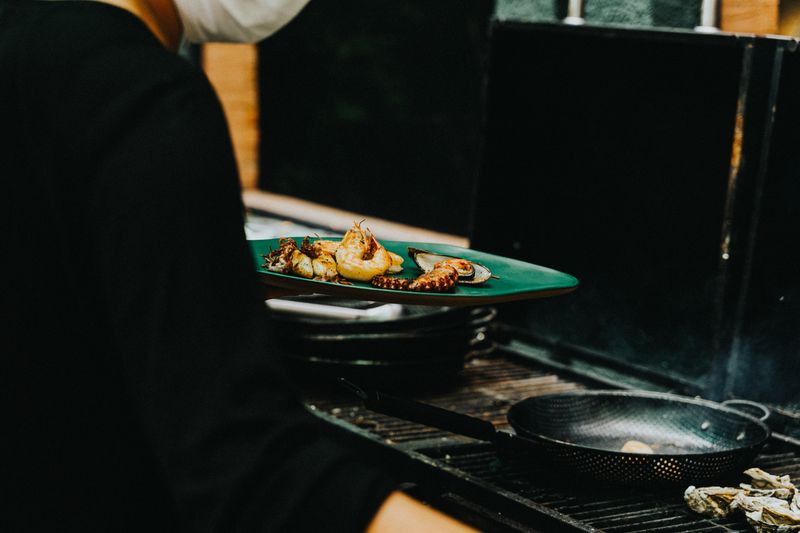
A traditional restaurant runs a grill, a stove and a fryer, with staff sized for savory service. Pastry requires different equipment, different timing and a different skill set.
Sweet courses therefore arrive from outside, made by specialist suppliers and held ready. The restaurant is reselling rather than producing.
American diners are used to the same pattern in casual chains, where the dessert menu comes from a distributor. The mechanism is identical.
The classics travel and keep
The recurring desserts are ones that survive a delivery and a day in a cold case without deteriorating. Custards, molded puddings and egg-based sweets all qualify.
Delicate constructions do not survive that journey, which is why they rarely appear outside dedicated pastry shops. Fragility is the disqualifier.
The result is a stable core of a few items available almost everywhere. Consistency is the product being sold.
Egg yolks explain most of the list
The Portuguese sweet tradition grew out of convent kitchens where egg whites were used for other purposes and yolks were left in quantity. Sugar and yolks became the basis of an entire repertoire.
That inheritance produces desserts that are rich, dense and sweeter than an American palate often expects. Portion sizes are correspondingly small.
Recognizing the family resemblance makes the list easier to read. Many of the items are variations on one idea.
Fruit is a real answer, not a fallback
Whole fruit is offered as a dessert course and ordered seriously, particularly after a heavy lunch. It is priced accordingly and served plainly.
Seasonal fruit here is very good, and a plate of it is a normal way to end a meal. It carries none of the apologetic quality it might in an American restaurant.
Cheese occupies a similar position, though it more often appears at the start. Either is a legitimate close.
Where the good pastry actually is
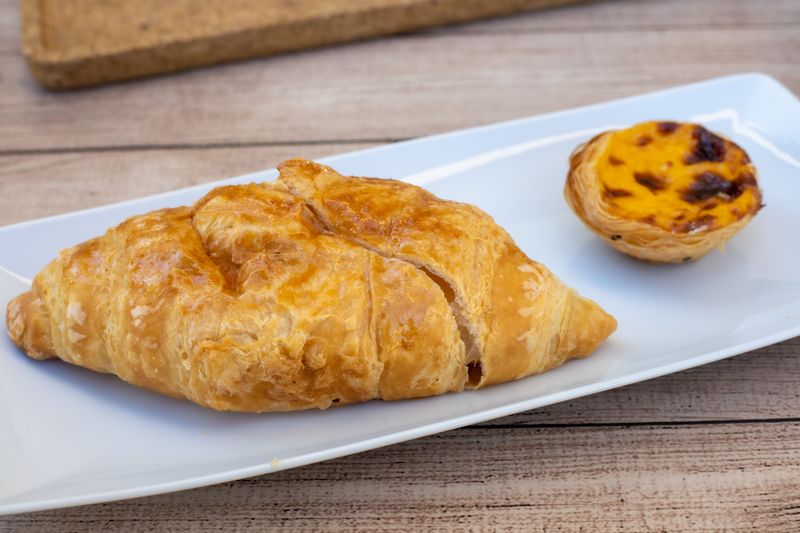
The interesting sweets live in pastry shops, made on the premises and eaten within hours of baking. That is a different visit at a different hour.
Ending a meal with coffee and taking a pastry later in the afternoon fits how the city eats. The two are not meant to happen at the same table.
Judging Portuguese sweets by restaurant dessert lists therefore misses almost everything. The tradition is strong in the room built for it.
Questions readers ask
Why does the bread go hard so fast?
It has almost no fat, sugar or preservative, so the starch retrogrades quickly. The trade-off is a much better loaf on the day it was baked.
Is sourdough common?
Long-fermented artisan bread has grown in the city over the last decade and is easy to find, though it sits alongside rather than replacing the traditional daily roll.