Eating
Why Breakfast Barely Exists As A Meal
The Portuguese morning is a coffee and something sweet taken standing up, and the reason is a lunch that arrives early and matters far more.

An American looking for breakfast in Lisbon finds coffee, pastry and very little else. The absence is structural: the day's eating is arranged around a different anchor.
Lunch is the meal the day is built on
The main hot meal is eaten in the middle of the day, often with several courses and often at a set price. It is substantial enough to make a large breakfast redundant.
If a full plate is coming at one o'clock, eating heavily at eight makes little sense. The morning meal shrinks to fill the gap it actually needs to cover.
American eating loads the morning because lunch is frequently rushed and small. Reverse those weights and the morning collapses on its own.
The morning is deliberately short
Breakfast here is taken standing at a counter in a few minutes, on the way somewhere. It is a stop rather than a sitting.
That format rules out eggs, pancakes and anything requiring a plate and cutlery. The food fits the posture.
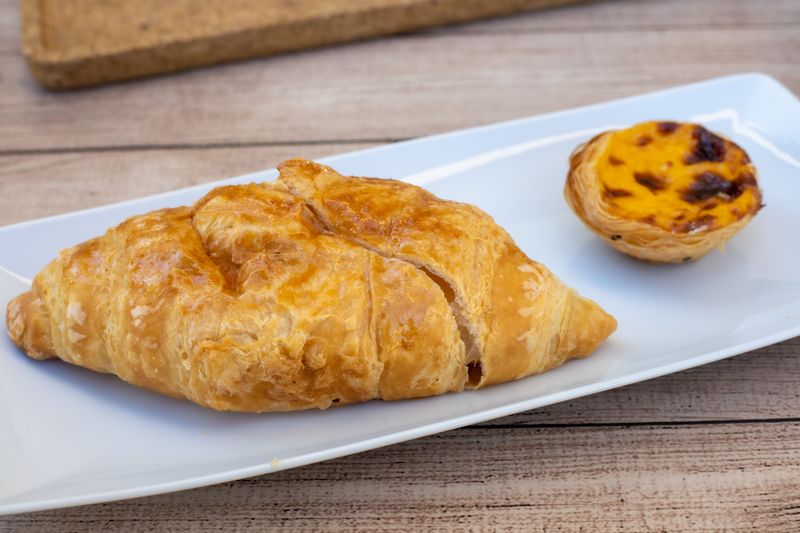
What survives is coffee and something that can be eaten in the hand, which is why the pastry counter does the work. Form follows the length of the pause.
Sweet is the default, and it is not a compromise
The standard accompaniment is a pastry, a piece of buttered toast or a small filled roll. Sweetness in the morning is unremarkable and unapologetic.
Savory breakfast options exist but are not the assumption, and asking for a full savory plate marks you as a visitor. The counter simply is not stocked for it.
Toast is more substantial than the American version, often thick and heavily buttered, and it is a genuine option. It is the closest thing to a filling breakfast on offer.
Hotels are the exception, and they distort expectations
Hotel buffets serve an international breakfast because guests expect one, with eggs, cold cuts and cereal. That spread is written for visitors rather than drawn from local habit.
Eating there every morning gives a misleading picture of how the city eats. The buffet is a service, not a custom.
Stepping outside for coffee and a pastry instead costs a fraction as much and takes ten minutes. It also puts you in the room where the morning actually happens.
What to do if you need a real breakfast
The practical move is to treat the pastry as a holding action and take lunch seriously. Arriving hungry at midday is the correct plan rather than a failure.
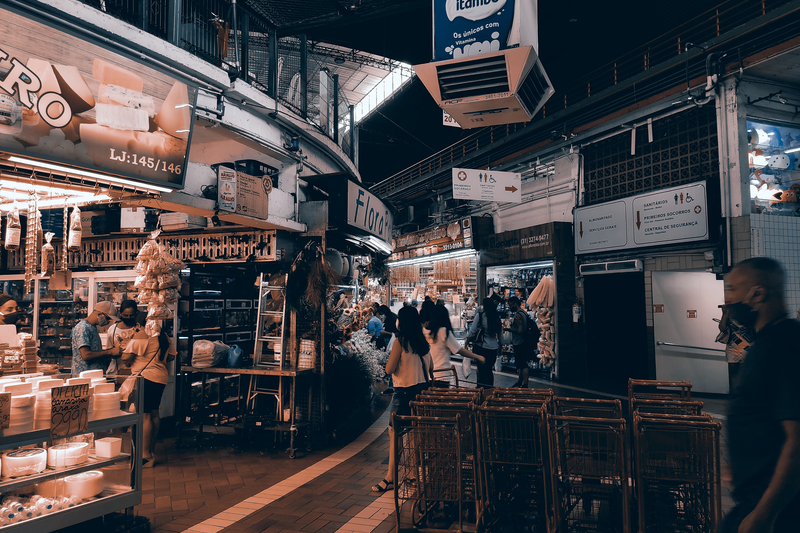
Markets and some cafes serve heartier morning food, and neighborhoods with many residents offer more than tourist streets do. The options exist; they are just not the default.
Adjusting for a week is easier than fighting it daily. The rhythm is coherent once the weight of lunch is understood.
Questions readers ask
Why does the bread go hard so fast?
It has almost no fat, sugar or preservative, so the starch retrogrades quickly. The trade-off is a much better loaf on the day it was baked.
Is sourdough common?
Long-fermented artisan bread has grown in the city over the last decade and is easy to find, though it sits alongside rather than replacing the traditional daily roll.