Eating
What is good in which month
Seasonality here is sharper than in countries that import everything, and it decides what is worth ordering.

Comparisons of seasonal eating usually pick a winner. This one picks the circumstances, which is more useful.
The difference in one place
- Oily fish is at its best in the warmer months and thin outside them.
- Some fisheries are closed at certain times of year, which changes menus.
- Chestnuts, citrus and greens carry the winter table.
Fish follows the water
Oily fish such as sardine build fat through the warmer months, which is when they grill well and taste of something. The same fish outside that window is thin and dry, which is why grilling season is a real thing rather than a marketing one.
Closed seasons and quota rules exist for several species and shift what appears on a menu. Asking what is good today rather than ordering from memory is the practical response.
Salt cod is the exception
Preserved salt cod is available year round because preservation is the entire point of it. It underpins an enormous number of traditional dishes and is genuinely everyday food.
It requires long soaking before cooking, which is why it is a restaurant and household staple rather than a quick option. Quality varies with the thickness of the cut and the length of the cure.
The winter table
Cabbage, kale, pulses, pork and slow-cooked dishes dominate the colder months. Chestnuts appear roasted on street corners in autumn, sold hot in paper cones.
Citrus comes into season through the winter and is excellent and cheap. These are the months when the food is heaviest and the restaurants are least crowded.
The summer table
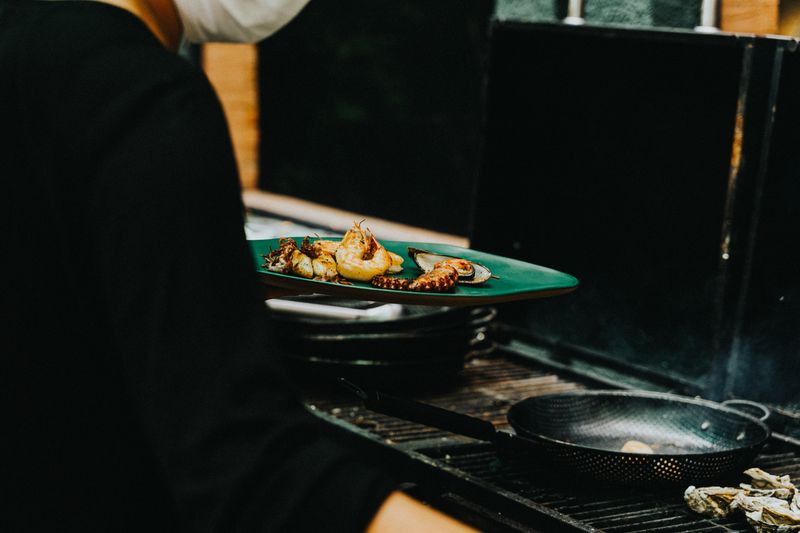
Grilled fish, tomatoes, melons, stone fruit and cold soups take over as the weather turns. Grilling moves outdoors, and the smell of sardines on charcoal is a genuine seasonal marker in residential streets. Salads become worth ordering, which they are not in February.
Portions of heavy stews still appear on menus year round for people who want them.
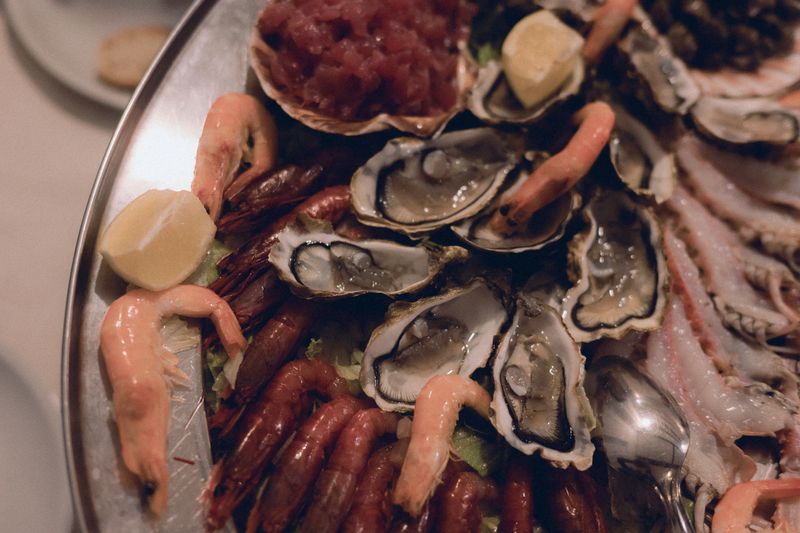
Shellfish and the rules
Shellfish harvesting is regulated and periodically suspended for biotoxin monitoring, which is a public health control. Availability therefore fluctuates for reasons that have nothing to do with the restaurant.
Prices for shellfish are typically by weight and can be much higher than the rest of a menu. Confirming the price per kilo before ordering is normal and prevents the most common bill shock.
Using seasonality as a filter
A menu offering everything all year is telling you that most of it is frozen or imported. A short menu that changes is a much better signal than a long one that does not. The daily dish written on a board is by definition seasonal and is usually the best value.
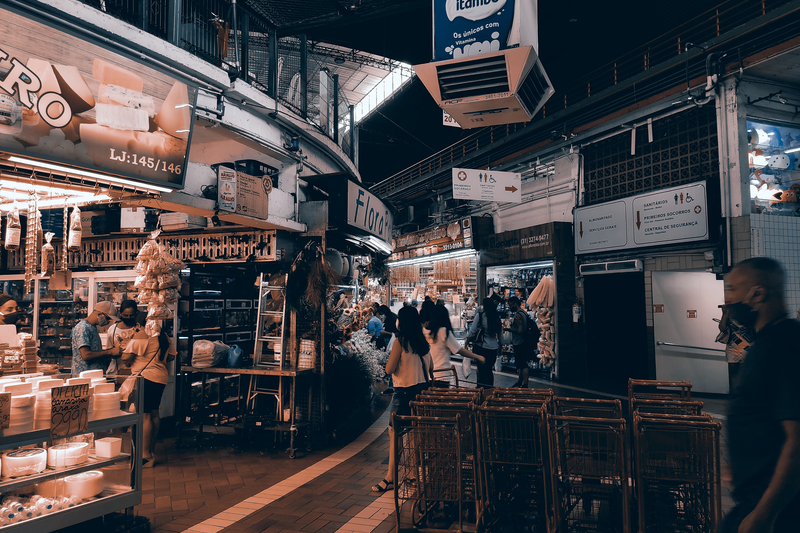
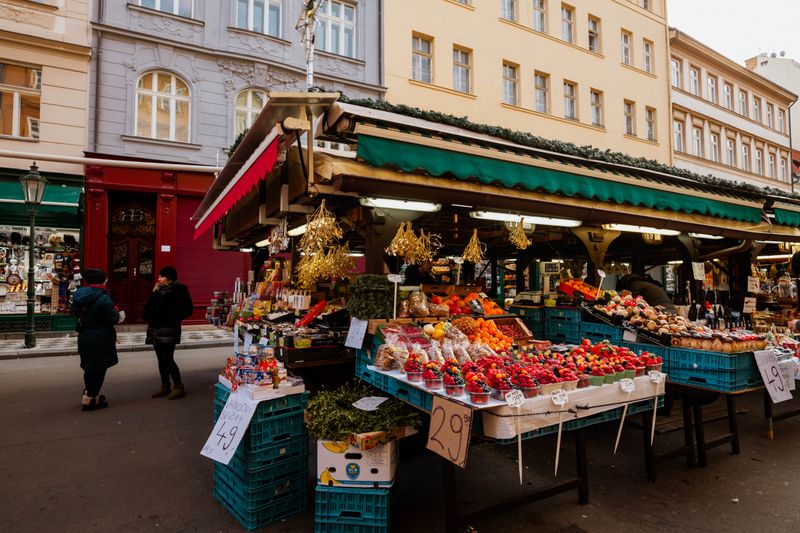
Markets are the fastest way to learn what is actually in season in a given week.
The preserving calendar underneath it
A good deal of what looks like tradition is really a preservation schedule: olives cured in autumn, wine pressed at the same time, pork salted and smoked in the cold months when it would actually keep. That is why cured meat, salt fish and preserved vegetables carry so much of the winter table, and why the dishes built on them are the heaviest things anyone eats all year. The rhythm still shapes menus long after refrigeration made it unnecessary, because the recipes were designed around what was in the store cupboard rather than what was standing in the field.
Where it helps most, buying preserved things not long after the season that produced them, rather than at the far end of the year, is the quiet advantage available to anyone who knows the calendar.
Side by side
| Consideration | What it means in practice |
|---|---|
| Fish follows the water | Oily fish is at its best in the warmer months and thin outside them. |
| Salt cod is the exception | Some fisheries are closed at certain times of year, which changes menus. |
| The winter table | Chestnuts, citrus and greens carry the winter table. |
The takeaway
Order what is on the board, ask what came in today, and skip the menu that offers everything.
Pick the one that costs you least, and let the rest wait.
Questions readers ask
When is sardine season?
The warmer half of the year, broadly, with the fish at their best in high summer. Exact timing varies with the sea and with fishery rules.
Is frozen fish common in restaurants?
Yes, and many countries require it to be declared on the menu. Frozen is not automatically worse, particularly for species frozen at sea.