Eating
How a meal ends: coffee, the bill and what is not included
The last ten minutes of a Portuguese meal follow a sequence, and knowing it removes most of the small awkwardness.
Everything here earned its place by changing an outcome. Nothing about ending a meal is included to round the number up.
What matters most
- Coffee after a meal is a small espresso, ordered at the table.
- The bill is requested rather than brought automatically.
- Service charge is not usually added and tipping practice varies.
Coffee closes the meal
A small dark espresso after eating is close to universal and is ordered when the plates go. It is not a large milky drink, and ordering one after dinner is a visible foreign habit rather than a problem.
The coffee comes at the table with a sachet of sugar and is drunk in a minute or two. It costs very little and is the standard signal that the meal is winding up.
Dessert or not
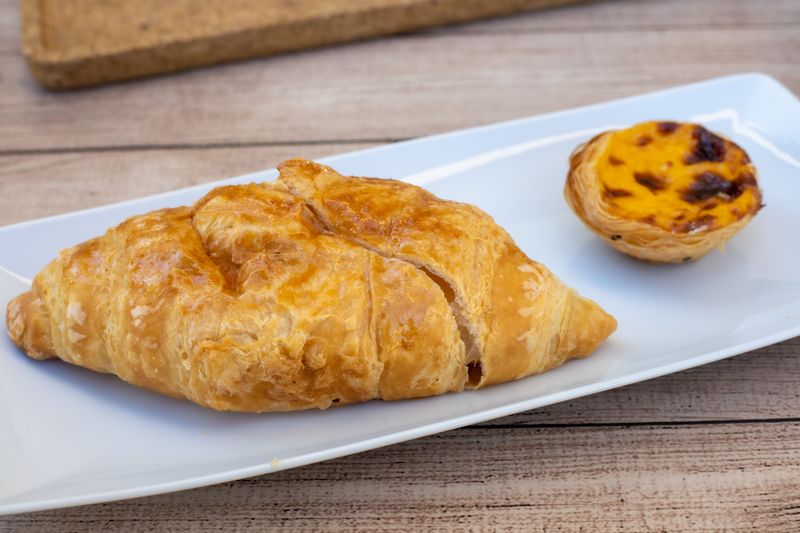
Many people skip dessert and go straight to coffee, particularly at lunch. Sweet options in a tasca are usually a short list of traditional puddings made in-house or bought in.
Put simply, asking what is homemade is a reasonable question and the answer is usually honest. A digestif of a local spirit is offered in some places and occasionally arrives on the house.
Asking for the bill
The bill will not normally appear until you ask for it, because bringing it unprompted reads as hurrying you out. Catching an eye and making a small writing gesture is universally understood. Waiting for it to arrive on its own can add twenty minutes to a meal for no reason.
Where it helps most, nobody is trying to keep you; the convention simply runs the other way.
What is on it
Anything brought to the table and eaten is charged, including the bread and olives you did not order. Untouched items should not appear on the bill, and pointing that out is normal rather than confrontational.
A cover or service line is not standard in most ordinary restaurants but does appear in some. Checking the total against what you ate takes seconds and is unremarkable behaviour.
Paying
Cards are widely accepted, though some small family places prefer cash and a few take only the domestic network. Splitting a bill several ways can be awkward in a small place with one terminal, so cash helps. You generally pay the person who served you rather than going to a till, in a sit-down restaurant.
Where it helps most, in a café or a pastelaria the reverse is often true and you settle at the counter on the way out.
Tipping honestly described
Tipping here is modest and discretionary, and practice varies between individuals, establishments and cities. Rounding up or leaving small change for good service is common; a fixed percentage is not a national convention.
Staff wages and tipping norms differ substantially between countries, so importing your home percentage is not required. Nobody will chase you and nobody will be offended by a rounded-up bill.
None of this is a substitute for talking to a clinician if something feels wrong.
If something is wrong
Raising a problem works far better quietly and early than at the end, and a plate sent back in the middle of a service is dealt with much more easily than a grievance produced alongside the bill. The two errors that genuinely recur are charges for items nobody touched and a dish billed at the printed price when it came off the board, and both are almost always a till mistake rather than an attempt at anything. A calm question with a finger on the line is enough; raising your voice achieves nothing in a small room and spends the goodwill that would otherwise have sorted it out.
If a place refuses outright to correct something, every business is obliged to keep a complaints book and to produce it on request, and asking for it tends to resolve the matter before it is opened.
Everything above, in order of what to do first
- Coffee closes the meal. A small dark espresso after eating is close to universal and is ordered when the plates go.
- Dessert or not. Many people skip dessert and go straight to coffee, particularly at lunch.
- Asking for the bill. The bill will not normally appear until you ask for it, because bringing it unprompted reads as hurrying you out.
- What is on it. Anything brought to the table and eaten is charged, including the bread and olives you did not order.
- Paying. Cards are widely accepted, though some small family places prefer cash and a few take only the domestic network.
- Tipping honestly described. Tipping here is modest and discretionary, and practice varies between individuals, establishments and cities.
The takeaway
Order the small coffee, ask for the bill, check what is on it, and round it up if the meal was good.
Pick the one that costs you least, and let the rest wait.
Questions readers ask
Do I have to order coffee at the end?
No. It is a common habit rather than a step in a ritual, and declining it is entirely ordinary.
Is it rude to ask for the bill early?
Not at all. It is the expected way to end a meal, and waiting silently is the less effective option.