Eating
Eating alone here is genuinely easy
The counter culture and the lunch rhythm make solo eating unremarkable in a way it is not everywhere.

Both approaches to eating alone work. What differs is what they cost you, and the cost is what this sets out.
The difference in one place
- Counter service means a solo diner needs no table at all.
- Set lunch is designed for individual workers eating quickly.
- Half portions are standard and appropriate for one person.
The counter solves it
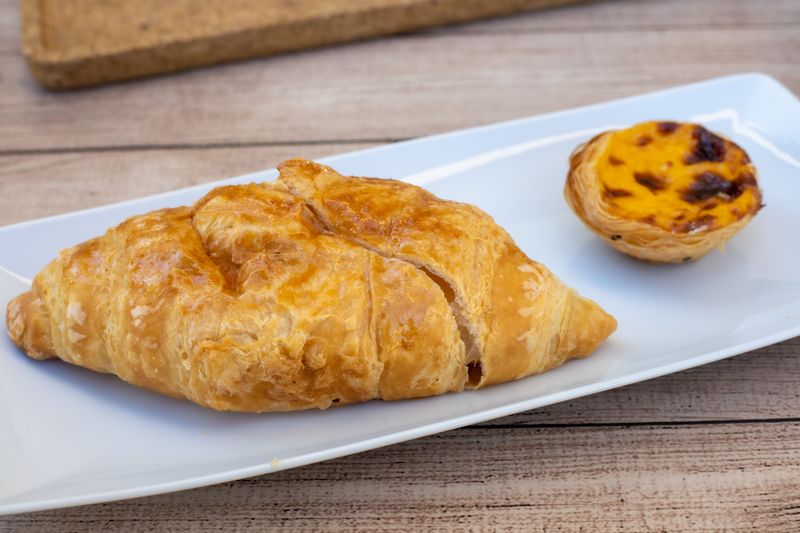
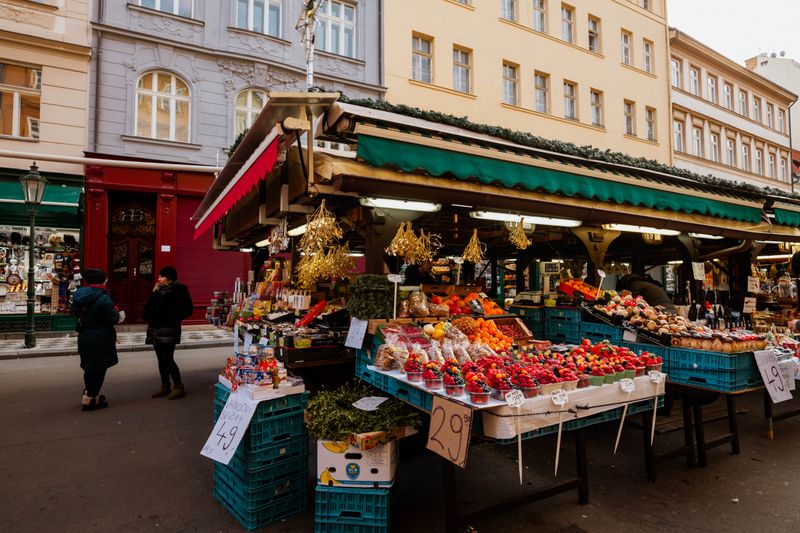
A great deal of eating here happens standing at a bar, where the concept of a table for one does not arise. Coffee, a pastry, a snack or a plate at the counter are all normal for a person on their own.
This removes the specific social friction that makes solo eating awkward in restaurant cultures. It also happens to be the cheapest way to eat.
Set lunch is built for one
The daily fixed lunch exists to feed individual workers quickly and cheaply. Sitting alone with a book at that hour is the most ordinary thing in the room. You will often be seated at a shared table in a busy tasca, which is normal and requires only a greeting.
Where it helps most, turnover is fast, so nobody is waiting for you to leave.
Portion sizes and the solo problem
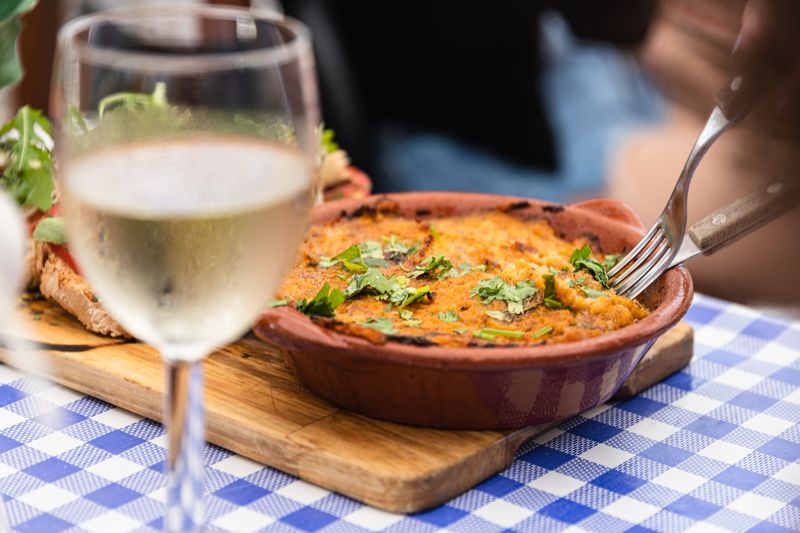
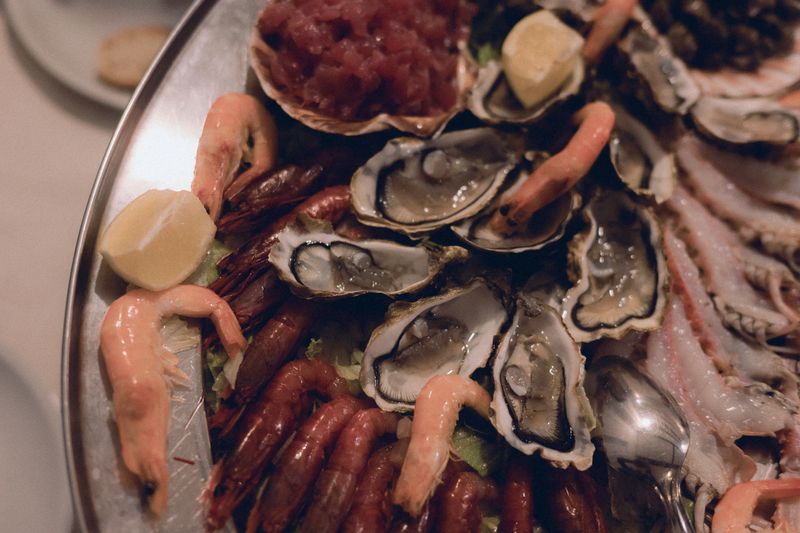
Portions are frequently large and half portions are widely available and normal to order. Ordering a half portion and a starter is a good way for one person to eat two things.
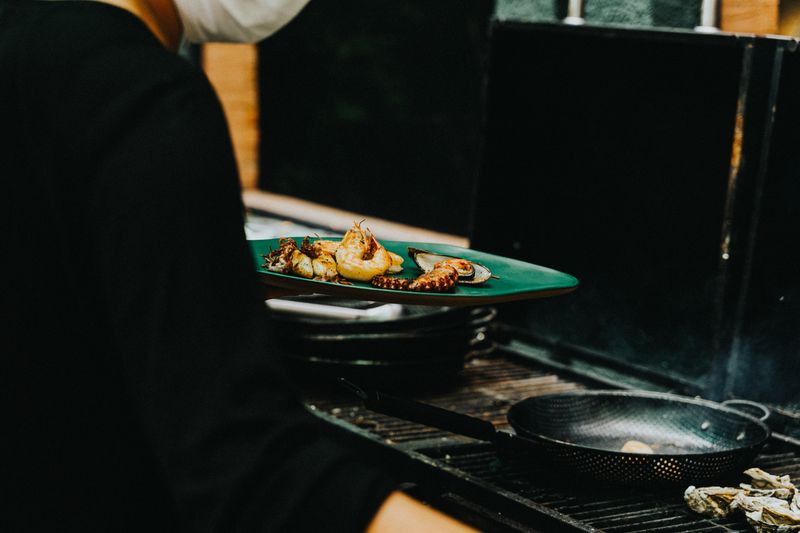
On an ordinary week, grilled fish is often priced by weight, so the size can be adjusted at the point of ordering. Sharing dishes is common, which means menus are not built exclusively around single servings.
Timing helps
Arriving at the start of a service rather than the middle gets you a seat without negotiation. Late in a service, a solo diner is easy to fit in when a group is not. The afternoon lull in a café is the calmest time to sit alone for an extended period.
Evening in a popular restaurant is the hardest slot for one person, as it is anywhere.
The social texture
Nobody will conclude anything about you for eating alone, and staff are generally warm without being intrusive. Conversation at a counter is possible and is not obligatory in either direction. A greeting on arrival and departure is the whole of the required etiquette.
In a small neighbourhood place, becoming a repeat customer changes the reception noticeably within a week.
Practical small things
Books, notebooks and phones at a table are all unremarkable outside the busiest lunch hour. Paying is usually at the end and you say what you had, which is easy when it is only your own order. Water is ordered rather than automatic, and tap water is safe if you prefer it.
In practice, solo travellers report the counter-and-standing culture as one of the easier European contexts to eat alone in.
The parts that are genuinely harder
Dishes built for sharing are the real limit, since several traditional rice and stew dishes are cooked and priced for two people at minimum and a kitchen cannot sensibly halve them. A bottle of anything is poor value for one person, which is a further argument for the glass or the small jug rather than a list you have no chance of finishing. Long stretches of eating alone wear on people in a way travel writing rarely admits, and a fortnight of counters and books is a different proposition from one pleasant evening of it.
For most people, the usual antidote is a room you go back to rather than a new one every night, because being recognised on the third visit does more for that than choosing well ever does.
Side by side
| Consideration | What it means in practice |
|---|---|
| The counter solves it | Counter service means a solo diner needs no table at all. |
| Set lunch is built for one | Set lunch is designed for individual workers eating quickly. |
| Portion sizes and the solo problem | Half portions are standard and appropriate for one person. |
The takeaway
Stand at the counter or arrive when the service opens. Neither requires explaining yourself.
Pick the one that costs you least, and let the rest wait.
Questions readers ask
Will I be given a bad table alone?
Sometimes, in a busy restaurant, as anywhere. In a tasca or a café it simply does not come up.
Is it odd to have a full meal at a cafe counter?
Not at all, at lunchtime. Outside kitchen hours the kitchen will be closed rather than unwilling.