Eating
Vegetarian Eating, Honestly Assessed
Lisbon has become genuinely workable for vegetarians, but traditional kitchens remain built around meat and fish, and the gap between the two is worth understanding.

Vegetarian visitors to Lisbon encounter two different cities depending on which room they walk into. The modern one is easy; the traditional one requires care.
The traditional kitchen assumes meat or fish
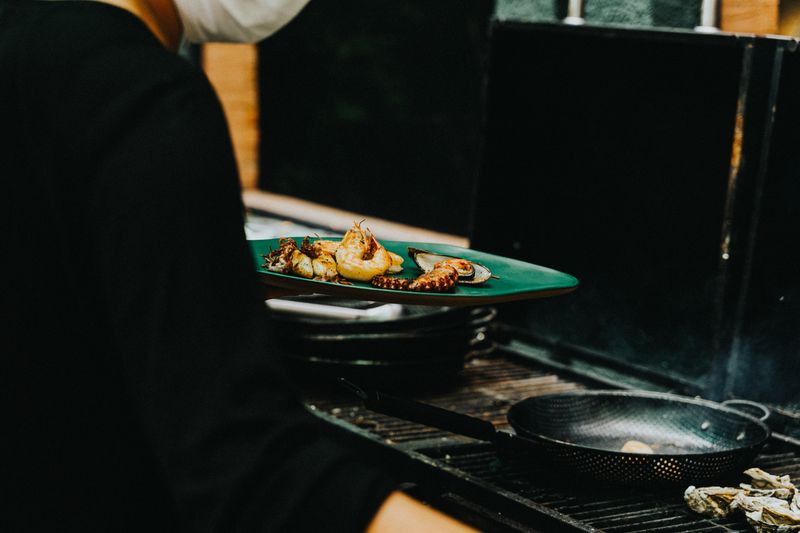
Portuguese home and tavern cooking is built on pork, fish and shellfish, with vegetables mostly playing a supporting part. A meatless main course is not a category the old menus contain.
Vegetable dishes exist in quantity but usually as accompaniments, and stock or a piece of pork often sits inside them. Soup is the most common example.
This is not resistance to vegetarians so much as an absence of the concept in the recipe set. The dishes predate the demand.
Soup is the most reliable trap
The everyday green soup and its relatives look plainly vegetable, and many versions contain sausage or are built on a meat base. Appearance is a poor guide.
Asking directly is the only dependable method, and the question is understood without difficulty. Kitchens answer it straightforwardly.
The same caution applies to rice and bean dishes, which often carry small amounts of pork for flavor. The meat may be invisible on the plate.
The modern side of the city is well supplied
Lisbon has a substantial number of dedicated vegetarian and vegan restaurants, and many contemporary places list clear options. Availability is not the problem it once was.
Portugal also requires public canteens to offer a vegetarian option, which normalized the idea faster than in many places. The concept is familiar even where the food is not.
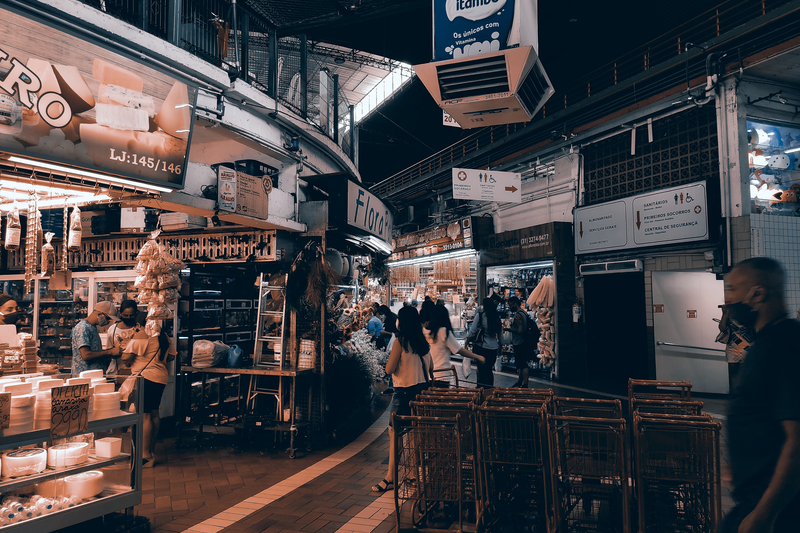
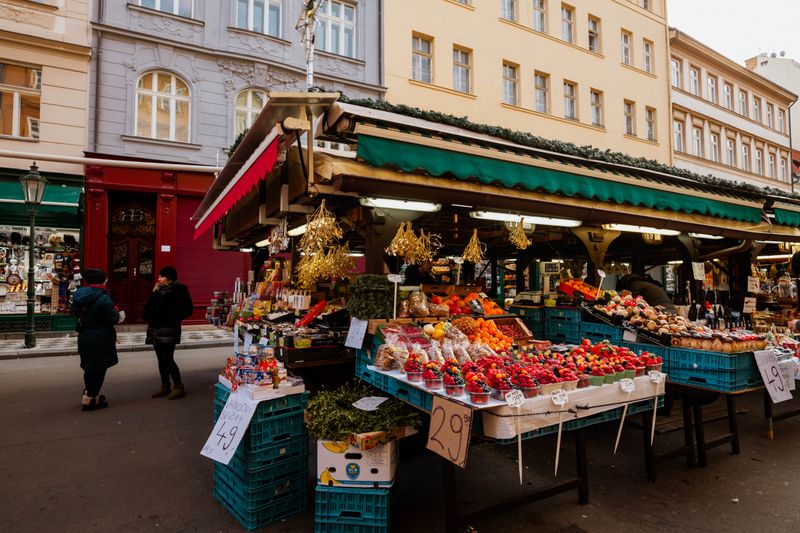
Markets, produce and bread are excellent, and self-catering is easy for anyone with a kitchen. The raw material was never the constraint.
What to look for on a traditional menu
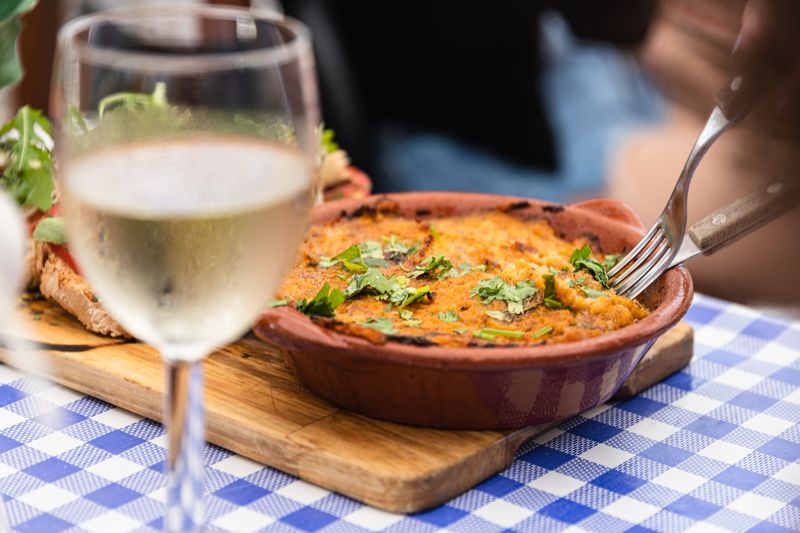
Grilled or fried vegetables, egg dishes, cheese, bread and certain rice preparations can assemble into a real meal. Ordering several small things works better than hunting a main.
Chickpea and bean salads appear frequently, though some versions include tuna or egg. The description usually says so.
The small plates brought at the start are often bread, olives and cheese, which suits a vegetarian well. They are charged for, but they are useful.
Explaining it clearly matters
The word for vegetarian is understood, but so is a stricter phrasing making clear that fish and meat broth are both excluded. Fish is sometimes not counted as meat.
Being specific avoids the most common misunderstanding, which is a dish arriving with a small amount of ham in it. Nobody is being careless; the definition simply differs.
Stated plainly at the outset, the request is accommodated without fuss in most places. The friction lies in vocabulary rather than in willingness.
Questions readers ask
Why does the bread go hard so fast?
It has almost no fat, sugar or preservative, so the starch retrogrades quickly. The trade-off is a much better loaf on the day it was baked.
Is sourdough common?
Long-fermented artisan bread has grown in the city over the last decade and is easy to find, though it sits alongside rather than replacing the traditional daily roll.