Eating
The Cervejaria And Why Beer Sells Shellfish
Beer halls became the country's seafood restaurants because chilled draught beer, fast counter service and shellfish sold by weight all suited the same room and the same hours.

A cervejaria is nominally a beer hall and in practice one of the best places to eat shellfish. The pairing is not an accident of menu design but of how the business works.
Draught beer required a serious room
Serving good draught beer needs cooling, pressure and constant turnover, which meant investment in equipment and a volume of trade to justify it.
Rooms built to that standard were large, staffed and open long hours, which is a very different proposition from a small café with bottles.
Having built that room, an operator needed something to sell alongside the beer that carried a better margin and kept people at the table.
Shellfish suited the same operation
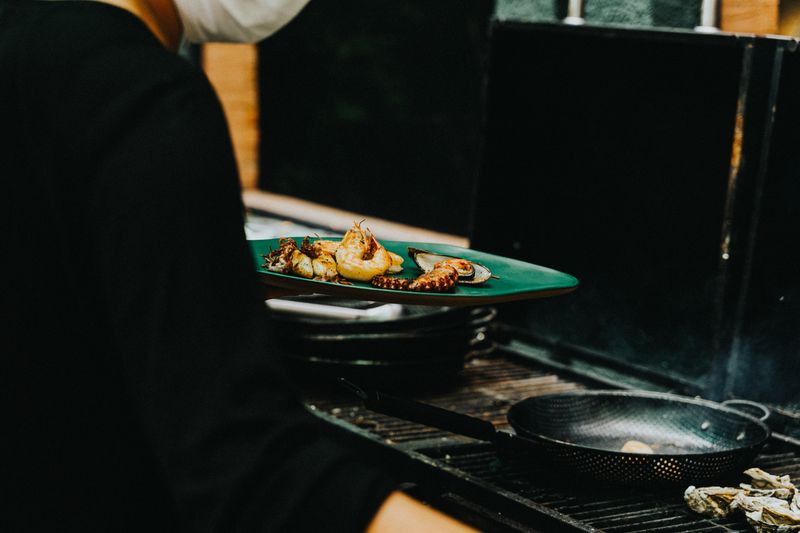
Shellfish needs cold storage, quick cooking or none at all, and sale by weight. A room already running refrigeration and a fast counter could add it easily.
It also pairs naturally with cold beer at the table, and it is food that takes a long time to eat, which extends the drinks order.
The result was a room where the two products carried each other, and the type settled into something recognisable across the country.
Sale by weight changes how you order
Most shellfish is priced per kilo, and the plate is weighed rather than portioned. The menu price is therefore not the price of a dish.
Asking for a specific weight, or asking what a normal serving comes to, is completely standard and is what regulars do.
This is where bills surprise people. Nothing improper happens; the item was simply priced by weight, and the weight was chosen by the kitchen.
The counter and the tables are different businesses
Many cervejarias run a standing counter alongside a seated dining room, and prices differ between them just as they do in a café.
At the counter the format is a beer and one plate, eaten quickly, often by people who have stopped on the way somewhere.
The seated room is a full restaurant service with a longer meal, table service and a correspondingly different pace and price.
The hours are the practical advantage
Because they grew from beer service, cervejarias hold long hours and serve food at times when a conventional restaurant kitchen has closed.
That makes them the reliable answer to a late arrival or a meal at an awkward hour, particularly in the middle of the afternoon.
They are also among the easier rooms to eat in alone, since the counter exists and eating at it attracts no attention whatsoever.
Questions readers ask
Why does the bread go hard so fast?
It has almost no fat, sugar or preservative, so the starch retrogrades quickly. The trade-off is a much better loaf on the day it was baked.
Is sourdough common?
Long-fermented artisan bread has grown in the city over the last decade and is easy to find, though it sits alongside rather than replacing the traditional daily roll.