Eating
Petiscos Are Not Tapas And The Difference Is Structure
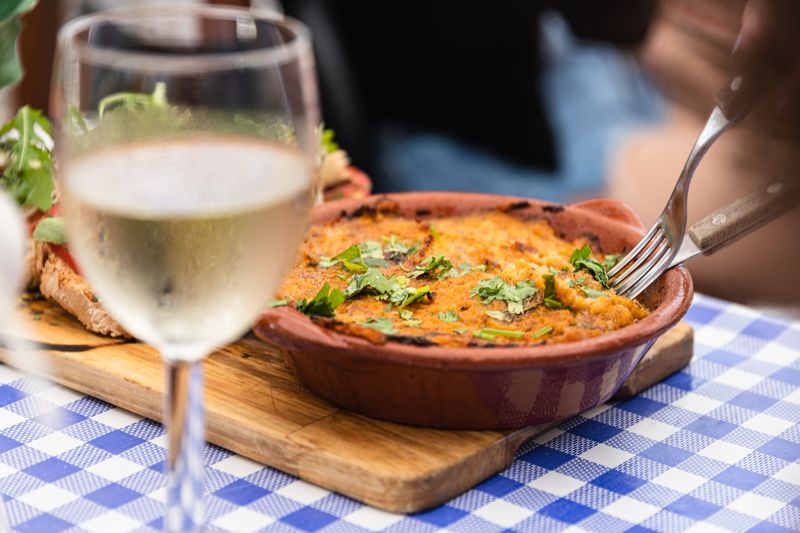
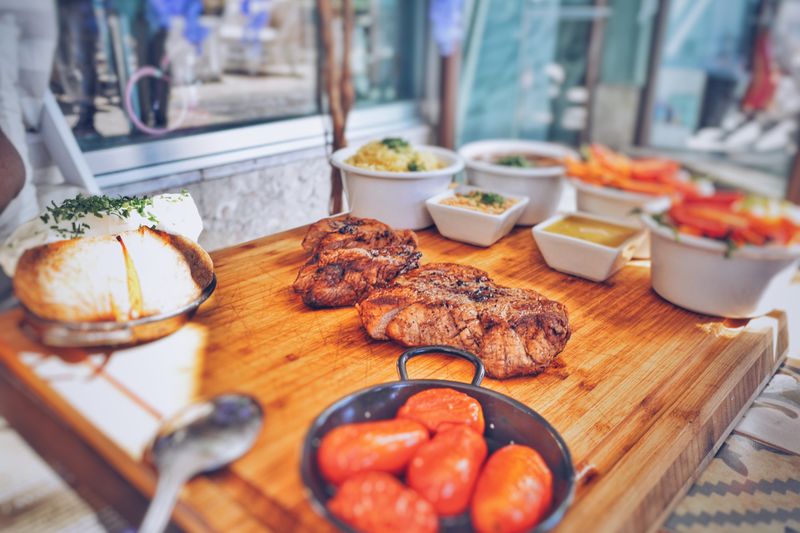
Petiscos are shared plates ordered as a meal in one place at one table, rather than single dishes eaten standing across several bars, and that changes how you order.

Petiscos are frequently translated as tapas, which misleads on the part that matters. The dishes overlap; the structure of the meal does not.
The unit is the table, not the crawl
The Spanish pattern at its most characteristic involves moving between bars, taking one small thing at each. Petiscos are ordered at one table over a sitting.
That means the plates accumulate rather than arrive singly, and the meal builds towards a shared spread rather than a sequence of stops.
Practically, you order in rounds. A first set arrives, and more is added once the table sees what it has and what it wants next.
The portions are larger than they look on a menu
A petisco is a plate for sharing, not a single serving. Ordering one per person is a common mistake and produces far too much food.
Many dishes also appear in two sizes, and the smaller is often still enough for two or three people alongside other plates.
The reliable approach is to under-order and add. Nothing about the format penalises a second round, and the kitchen expects it.
The dishes come from the main kitchen
Petiscos are usually smaller versions or components of the same cooking a restaurant does at full size, rather than a separate bar repertoire.
That is why a good tasca's petiscos taste like its main dishes: the same stock, the same cured pork, the same fish handled the same way.
It also means quality tracks the kitchen rather than the format. A room that cooks well will do this well, and a room that does not, will not.
Bread, olives and cheese are a separate matter
The small plates that arrive unasked at the start are the couvert and are charged for. They are not petiscos and do not count as part of what you ordered.
You can decline them, and the plates will be taken away without any awkwardness. Keeping them and eating them means paying for them.
Confusing the two is why some people feel they ordered less than they were charged for. They are separate lines with separate logic.
The timing is evening and unhurried
Petiscos are mainly an evening format, eaten later than a full dinner would be started and stretched over a longer period with drinks.
Because the meal is built incrementally, it can absorb people arriving late without disrupting anything, which is part of why it suits groups.
It is also the easiest full meal to eat as two people who want to try several things, which is exactly the situation the format was made for.
Questions readers ask
Why does the bread go hard so fast?
It has almost no fat, sugar or preservative, so the starch retrogrades quickly. The trade-off is a much better loaf on the day it was baked.
Is sourdough common?
Long-fermented artisan bread has grown in the city over the last decade and is easy to find, though it sits alongside rather than replacing the traditional daily roll.