Day Trips
Why The Royal Palaces Are Not In The City
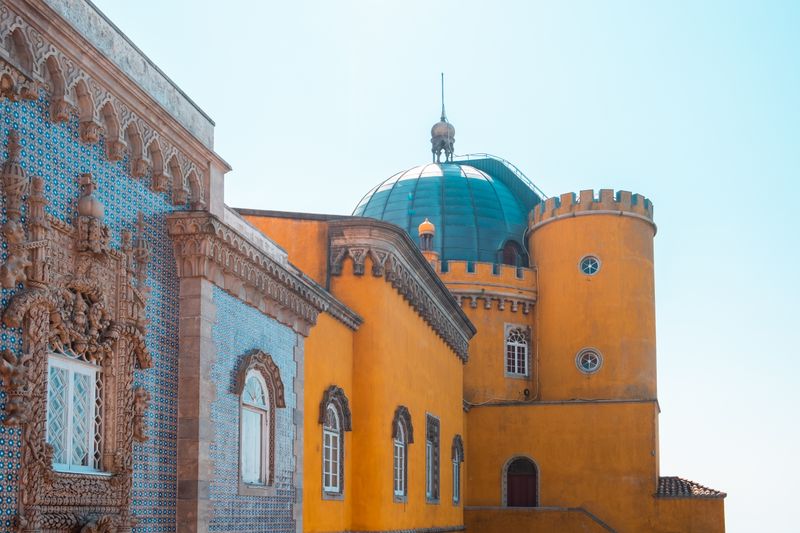
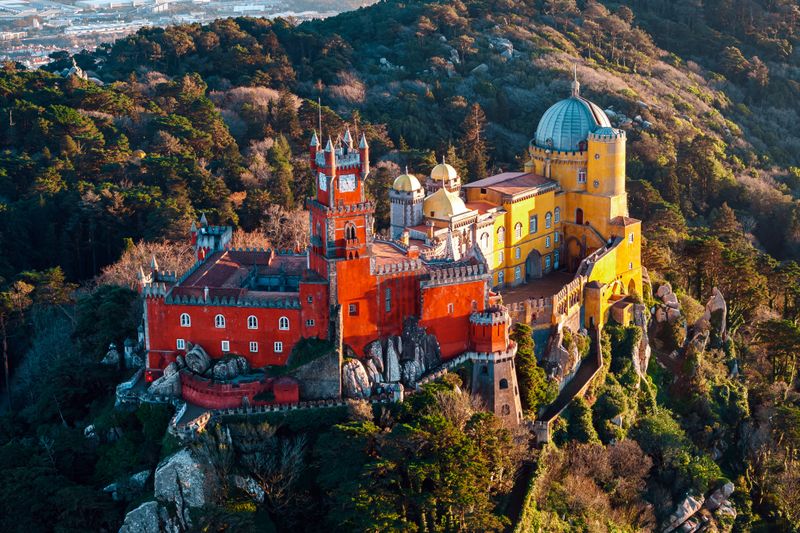
The court kept several palaces outside the capital because summer heat, plague, hunting and the need for defensible ground all pushed the household out of the crowded riverside city.

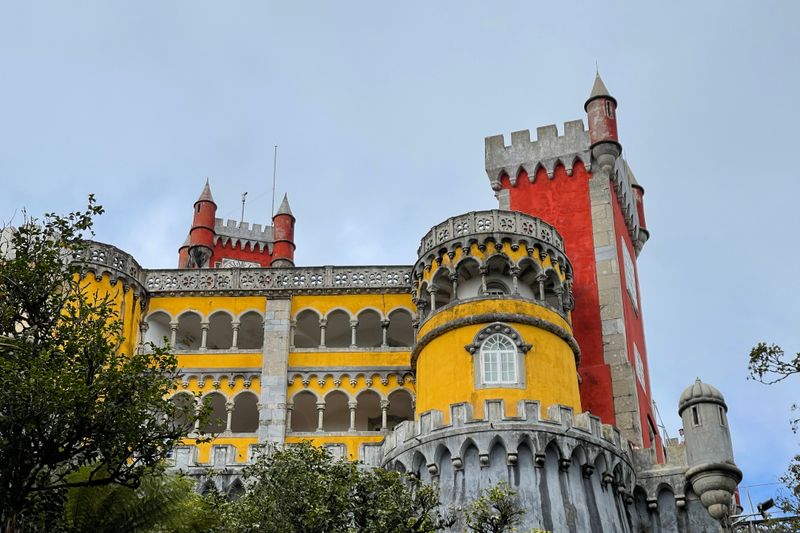
Several of the region's largest palaces sit in towns well outside the capital. That distribution was deliberate, and the reasons were practical long before they were about taste.
A court was a moving household
A royal court was not a fixed institution in one building. It was a large household that travelled, taking officials, servants, furniture and records with it between residences.
Moving was normal because staying was expensive. A household of that size exhausted the local supply of food, fuel and clean water within weeks.
So multiple palaces were not extravagance in the modern sense. They were the infrastructure a mobile court required in order to function at all.
Summer in a dense city was genuinely dangerous
The old city was hot, crowded and periodically struck by epidemic disease, and the connection between crowding and outbreaks was understood well before its mechanism was.
Leaving for higher, cooler, less dense ground during the hot months was standard practice for anyone who could afford it, not only for the court.
That is why so many of the outlying palaces sit on hills or near the coast. Elevation and sea air were the health measures available.
Hunting shaped the locations
Hunting was a central court activity, and it required large managed woodland close to a residence. Those grounds could not exist inside a city.
Several palaces are therefore attached to enormous walled parks, and the park came first in the reasoning. The building was placed to serve the land around it.
Those parks are now the most rewarding part of a visit, because they preserve landscape design and planting at a scale nothing newer reproduces.
Distance from the city was also political
A residence outside the capital gave distance from the crowd, from the municipal authorities and from the daily press of petitioners at the gate.
Access could be controlled at a road rather than at a doorway, which mattered during periods of unrest when the city was volatile.
The reverse also applied. A monarch who spent too long away lost touch with the commercial and administrative machinery that stayed in the city.
What that means for visiting them
These palaces are not day trips in the sense of a detour. They are the reason their towns exist at their current size, and the town is part of the visit.
Each was built for a different season and purpose, so they differ far more from one another than a list of royal residences suggests.
Reading them in that order — the terrain first, the park second, the building last — makes far more sense of them than working through the rooms.
Questions readers ask
Is it worth the trip on its own?
Not really. It is a cliff and a lighthouse. Combine it with the coast walk or a nearby town and it becomes a good day.
Why is it so cold there in summer?
Wind acceleration over the headland, cold upwelled water offshore, and no shelter at all. Wind chill does the rest.
Also by Inês Carvalho
- How to order coffee in Lisbon without overthinking itCafés & Coffee
- The hills are the transport systemPracticalities
- Sintra in a day, done properlyDay Trips
- What catches visitors outPracticalities