Day Trips
Ocean beach or river beach: two different days
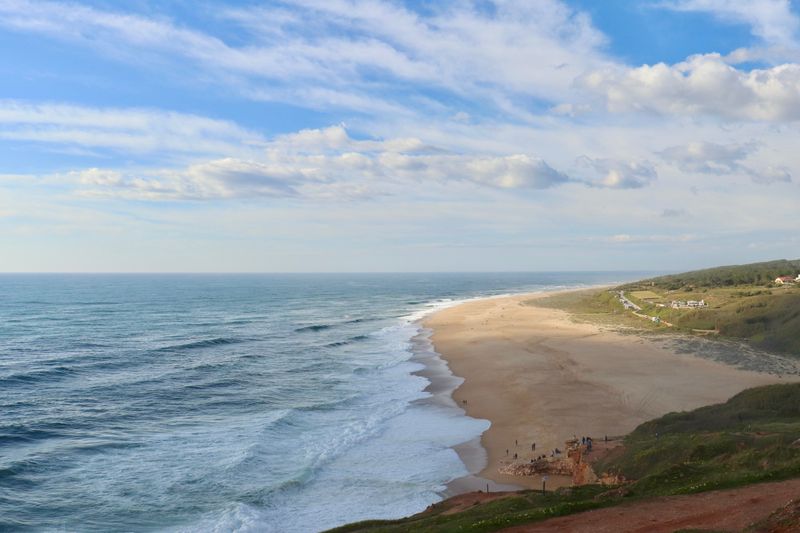
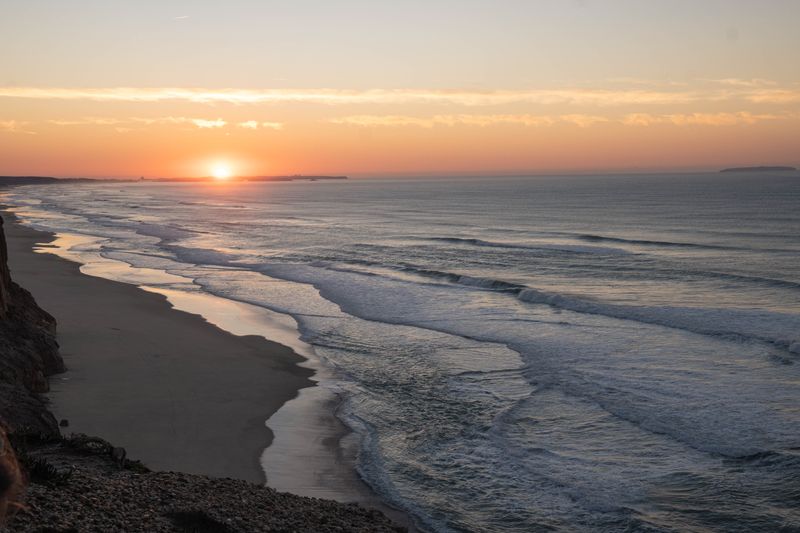
The coast west of the city and the sheltered water inside the river mouth behave nothing alike. Choosing wrongly is the most common beach mistake here.

This is less a set of instructions about beaches near Lisbon than an argument, and it is worth saying so at the start.
The argument in brief
- Exposed ocean beaches have surf, wind and cold upwelled water.
- Sheltered water inside the river mouth is calmer and warmer.
- The afternoon wind is the variable that decides most beach days.
Two kinds of water
Beaches facing the open Atlantic take swell directly, which produces surf, strong currents and water that is genuinely cold most of the year. Beaches inside the river mouth or tucked behind headlands are sheltered, with small waves, calmer water and noticeably higher temperatures. That difference is not marginal; it is the difference between a swimming day and a standing-in-the-shallows day.
It also determines who each beach suits, since small children and confident surfers want opposite conditions. Checking which side of a headland a beach sits on tells you most of what you need before you commit to the journey.
Why the ocean is so cold
Prevailing northerly winds along this coast push surface water offshore, and cold water rises from depth to replace it. That upwelling keeps sea temperatures low even in the hottest months, which catches out people expecting Mediterranean water.
In practice, it also brings nutrients to the surface, which is why the coast is so productive for fish and seabirds. Water temperature can therefore drop sharply within a day when the wind sets in, with no change in air temperature. A wetsuit is normal here for anyone spending real time in the water, and is not an admission of weakness.
The afternoon wind
A strong northerly wind commonly builds through summer afternoons along this coast and reaches its peak in the middle of the day. It blows sand, flattens umbrellas and makes a beach that was pleasant in the morning genuinely unpleasant by early afternoon. Beaches with cliffs or dunes to the north are far better sheltered, and locals choose accordingly rather than by prettiness.
This is the single most useful piece of local beach knowledge and it is almost never in visitor material. Morning at the beach and afternoon somewhere inland is the pattern that residents follow through summer.
Flags and currents
Lifeguarded beaches use a flag system, and the colours are worth understanding before you swim rather than after. Rip currents are the main hazard on exposed beaches and are strongest around low tide and after big swell. A rip pulls outward rather than under, and the standard advice is to swim parallel to the shore rather than against it.
Unguarded beaches are common outside the main season, and swimming alone on an exposed one is a genuinely poor idea.
None of this is exotic risk; it is the ordinary behaviour of an open Atlantic coast.
Getting there without a car
The coastal rail line west of the city serves a string of beaches directly, and this is the simplest option from the centre. The southern ocean beaches require a river crossing and a bus, which takes longer and needs more planning. Sheltered river-mouth beaches are the closest and can be reached quickly, which makes them the practical half-day choice.
Summer weekends see all of these routes crowded in both directions, particularly returning in the early evening. Travelling out early and back before the general exodus avoids most of the discomfort.
None of this is a substitute for talking to a clinician if something feels wrong.
Choosing for who you are with
Small children need shelter, shallow water and short travel, which points firmly at the sheltered beaches. Anyone wanting to swim distances rather than play in surf will be happier on calm water for the same reasons.
Surfers and body-boarders want the exposed beaches, and the same wind that ruins a sunbathing day may improve theirs. For walking rather than swimming, exposed beaches are far better, being longer, emptier and more dramatic. Deciding what the day is actually for, before choosing the beach, avoids the most common disappointment.
The takeaway
Sheltered for swimming, exposed for walking. Go in the morning either way.
Pick the one that costs you least, and let the rest wait.
Questions readers ask
Why is the sea so cold in summer?
Wind-driven upwelling brings cold water up from depth along this coast. Air temperature and sea temperature are not related here in the way people expect.
Which beach for young children?
A sheltered one inside the river mouth or behind a headland. Exposed ocean beaches have surf, currents and afternoon wind.