Day Trips
Two Towns In One Day Is Usually A Mistake
Combining two destinations on a single day trip from Lisbon fails on connection times and closing hours rather than on distance, and the arithmetic is predictable.

The map around Lisbon makes two towns look easily combinable, since the gaps are small. The failure happens in the joins rather than in the journeys.
Transport radiates from the city, not between towns
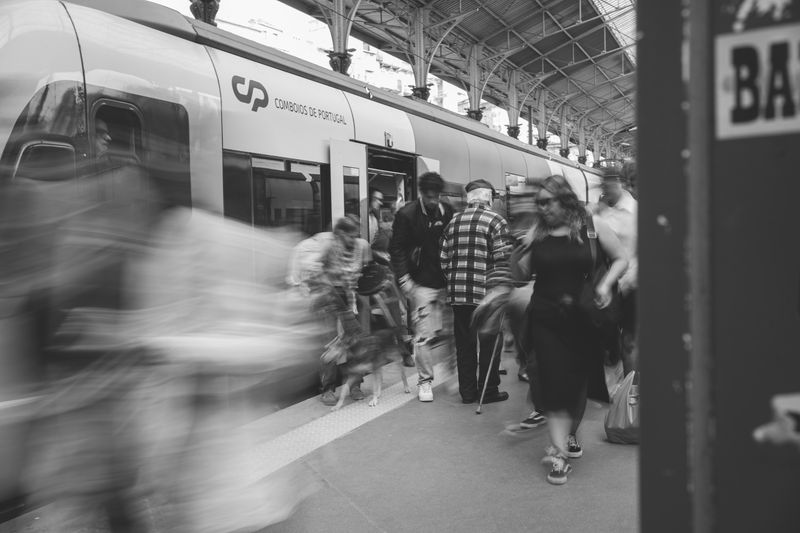
Services were built to bring people into Lisbon and take them home again, so almost every line runs in and out. Two neighboring towns may have no direct link at all.
That turns a short hop into a return to the city and a second departure. The apparent shortcut is often the longest route available.
Americans used to driving between towns underestimate this, because a road exists and looks direct. The road is not the constraint; the schedule is.
Connection time is dead time
Even where a link exists, the wait between services can absorb an hour or more. Two changes in a day can quietly consume a third of it.
Waiting also happens in stations rather than in the places you came to see. The cost is paid from the interesting part of the day.
A single destination with a longer stay usually delivers more for the same total hours. The trade is depth against transit.
Closing hours cluster in the afternoon
Monuments, palaces and museums often stop admitting visitors well before they close, and many shut for the day earlier than American attractions would. Arriving late in the afternoon can mean arriving after the fact.
Long midday breaks are common in smaller towns, when shops and some sites close for two hours or more. That gap lands exactly where a second destination would fall.
So the second town frequently turns out to be a walk around a closed center. The trip becomes a photograph rather than a visit.
Heat compresses the usable day further
In summer the middle of the day is genuinely hostile for walking, especially in towns with steep streets and little shade. Energy runs out before the itinerary does.
A schedule built on two towns leaves no slack for sitting out the worst hours. It assumes a pace the weather will not permit.
One destination allows a long lunch in the heat and a second walk when the light softens. That structure fits the climate rather than fighting it.
When the pairing does work
Two stops on the same line, close together, with one treated as a short walk rather than a full visit, is a reasonable plan. The second is a stop, not a destination.
Coastal lines are the usual candidates, where consecutive towns share a station every few minutes. Frequency is what makes the combination survive.
Everything hinges on whether the connection is free. Where it costs a wait, the second town costs more than it gives.
Questions readers ask
Is it worth the trip on its own?
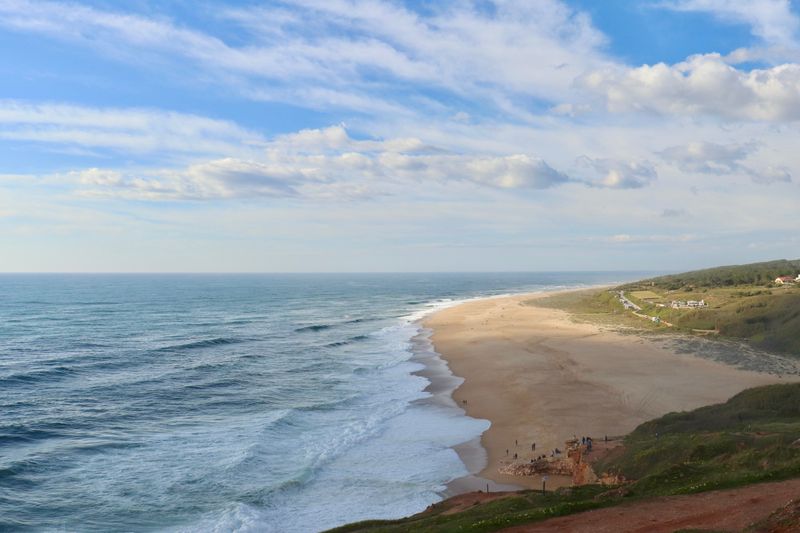
Not really. It is a cliff and a lighthouse. Combine it with the coast walk or a nearby town and it becomes a good day.
Why is it so cold there in summer?
Wind acceleration over the headland, cold upwelled water offshore, and no shelter at all. Wind chill does the rest.
Also by Inês Carvalho
- How to order coffee in Lisbon without overthinking itCafés & Coffee
- The hills are the transport systemPracticalities
- Sintra in a day, done properlyDay Trips
- What catches visitors outPracticalities