Day Trips
Across the water: the south bank as a day out
Ten minutes of river separates the city from a different set of towns, beaches and cliffs. It is the closest thing to leaving without actually leaving.

This looks at the south bank from the practical end — what holds up once conditions stop being ideal.
What holds up in practice
- The crossing itself is short and is part of the experience.
- The south side has ocean beaches the city does not.
- It developed separately, with its own industrial and residential history.
A short crossing, a different place
The river here is wide enough that the far bank is a genuinely separate world, with its own towns, dialect of city life and history. Because the crossing is short, the change of atmosphere arrives faster than on almost any other trip out of the city. The view back towards the city from the water is the single best perspective on how the place sits on its hills.
That view is available on an ordinary commuter crossing rather than on any organised excursion, which is the useful part. People who live on the south side commute across daily, so the connections are frequent and built for routine rather than for tourism.
What is over there
The bank directly opposite is a strip of old riverside towns that grew around fishing, ferries and later heavy industry. Behind them, a ridge rises to give long views back across the water, and the ground drops away to the ocean on the other side.
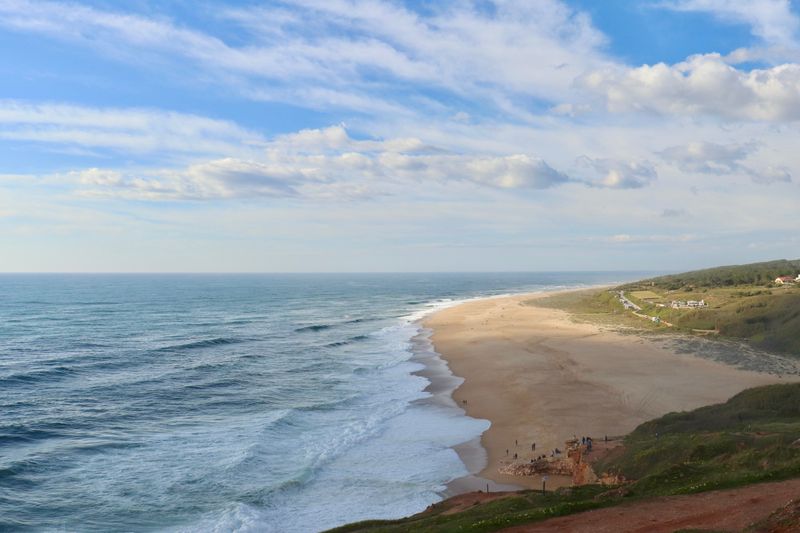
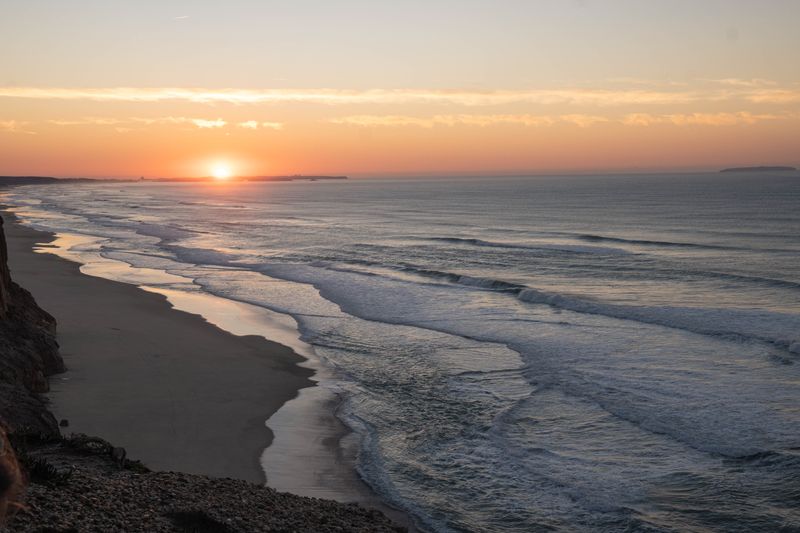
For most people, further west the coast turns to long Atlantic beaches backed by pine and dune, which are the closest real surf beaches to the city. Southeast, the land flattens into estuary marsh, salt pans and agricultural country that feels far more remote than the distance suggests. All of this sits within a modest travel radius, which is why residents treat it as an extension of the city rather than as a trip.
The fish, and why it is different
The riverside towns opposite have a long-standing reputation for grilled fish, built on proximity to landings and to the estuary. Restaurants there are geared to people crossing for lunch, which means the standard is competitive and the pricing is not a tourist rate. Eating on that side and crossing back in the evening light is one of the oldest local habits available to a visitor.
The quality is not magic; it comes from volume, competition and a customer base that would notice immediately if it slipped. Avoid the assumption that any restaurant with a view is the good one, because the view is free and abundant on that bank.
Industry and what it left
The south bank carried shipyards, chemical works and heavy manufacturing for much of the twentieth century. That history shaped the towns, giving them a working-class political identity distinct from the capital across the water. When the industry contracted, it left large sites, strong local associations and a housing stock built for workers.
Some of that land is now being redeveloped, and the same warehouse-to-apartment sequence is running there as on the city side.
Knowing this stops the south bank reading as merely a beach annexe, which is how visitor material usually presents it.
Getting around once across
Buses connect the landing points to the towns, the ridge and the beaches, and they are the normal way residents move. Some connections are frequent and some are sparse, which is the main practical constraint on planning a day this way. Distances are larger than on the city side, so walking between the interesting points is often not realistic.
On an ordinary week, checking return times before setting out matters more here than almost anywhere else in the region. A bicycle travels well on the crossing and expands what is reachable considerably, particularly along the flat southern shore.
Adjust the size of it until it is something you would actually do tired.
When to go, and when not
Summer weekends see the city empty onto the southern beaches, and the roads and connections carry the consequences. Midweek in the shoulder seasons is dramatically calmer and the light on the water is better in any case. Winter crossings are cold and windy on deck but the visibility is often exceptional after rain.
For most people, fog on the river does occur and can disrupt sailings, which is the one weather condition worth checking. A half day is enough for a crossing and lunch; a full day is needed if the ocean beaches are the objective.
The takeaway
Cross, eat fish, look back at the city. It is the cheapest good day available.
Pick the one that costs you least, and let the rest wait.
Questions readers ask
Is the crossing worth it just for the view?
Yes. The perspective back on the city from the water is the best there is, and it costs no more than an ordinary local journey.
Can I reach the ocean beaches without a car?
Yes, by crossing and then taking a bus. It takes longer than people expect, so check return connections before you set off.
Also by Inês Carvalho
- How to order coffee in Lisbon without overthinking itCafés & Coffee
- The hills are the transport systemPracticalities
- Sintra in a day, done properlyDay Trips
- What catches visitors outPracticalities