Cafés & Coffee
Specialty Coffee Arrived Late And Sat Down Carefully
A city with cheap, fast, universally available coffee is a hard market for specialty, so the newer roasters competed on room, seating and hours rather than on the cup alone.

Specialty coffee reached this city later than it reached most comparable ones, and it arrived into unusually difficult conditions. The reasons are commercial and they shaped what the new cafés became.
The incumbent product was already cheap and everywhere
A city where a decent small coffee is available within a short walk, at a price nobody thinks about, is a hard place to sell a more expensive cup.
The comparison is unforgiving. A customer is not weighing a specialty coffee against a bad one; they are weighing it against an acceptable one that costs a fraction as much.
That squeezed the obvious pitch. Selling on quality alone required convincing people that a satisfactory daily habit was inadequate, which is a slow argument to win.
So the new cafés sold the room instead
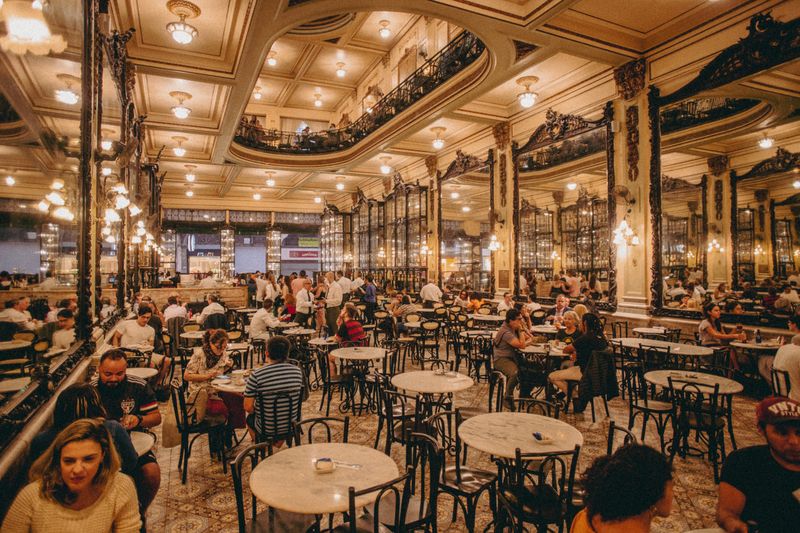
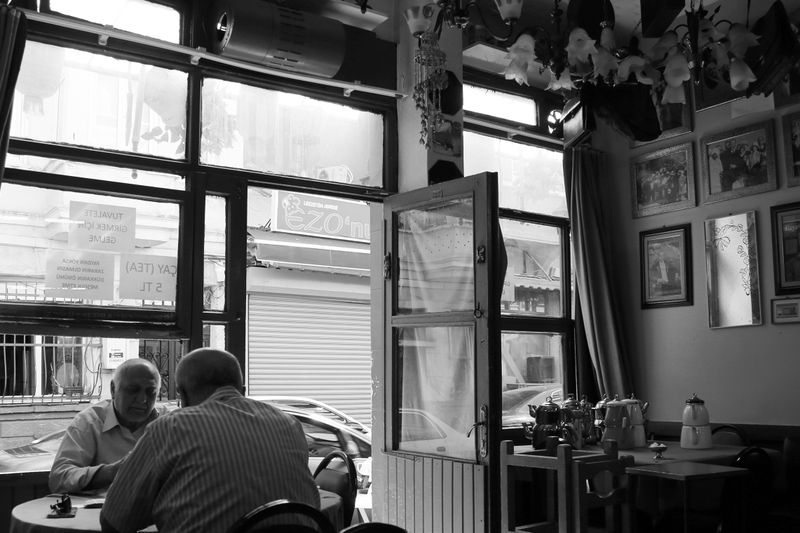
What the traditional café does not offer is somewhere to sit for an hour, work, meet or eat a long breakfast. The room is built for turnover.
The newer cafés built their offer around exactly that gap: seating, tables large enough to work at, longer opening hours and food beyond the pastry counter.
Priced that way, the coffee stops being the whole purchase. The higher price covers occupancy of a seat, which is a product the older rooms were never selling.
The taste difference is real and cuts both ways
Lighter roasting and single origins produce a cup with more acidity and less body, which reads as thin or sour to a palate trained on a dark blend.
That is a genuine difference in the product rather than a difference in quality, and it is why the two markets have stayed more separate here than elsewhere.
Some newer roasters answered by keeping a darker blend on the espresso machine for the local trade and reserving lighter coffees for filter. That split is a commercial decision, not a compromise.
Geography followed the customer, not the neighbourhood
The new cafés clustered where people who would pay the higher price already were: districts with visitors, remote workers and younger residents rather than the settled residential hills.
That clustering is often read as gentrification arriving with the coffee, but the causation mostly runs the other way. The café follows a customer base that has already moved in.
It also means whole districts have no specialty café at all, not because the coffee is unwelcome but because the price is not supportable there.
The two markets coexist rather than converge
Traditional cafés have not become specialty ones, and the newer places have not taken over the morning routine. They are used at different moments by many of the same people.
Somebody may drink three cheap coffees at a counter during the working day and one expensive one sitting down at the weekend without any sense of contradiction.
Which is the outcome that makes commercial sense here. The two are not competing products, and the city has room for both because they are sold in different quantities of time.
Questions readers ask
Does robusta give a stronger caffeine hit?
Per gram, yes, roughly double. Whether you notice it depends far more on how much coffee is in the cup and how many cups you have had.
Is there a third species?
Several exist commercially at small scale, including liberica and excelsa, mostly in Southeast Asia. They are rare outside their growing regions.
Also by Helena Sá
- Alfama, Graça and the difference two streets makeNeighbourhoods
- Roast level is a decision about acidity, not about strengthCafés & Coffee
- Why the same beans taste different in two cafesCafés & Coffee
- Portuguese espresso is not a smaller Italian oneCafés & Coffee