Practicalities
The Airport Is Inside The City And That Cuts Both Ways
Lisbon's airport sits within the built-up area, which makes arrival unusually quick and puts flight noise and expansion constraints directly over residential neighbourhoods.

The airport sits inside the city's built-up area rather than out in the countryside. That single fact explains both how easy arrival is and several long-running local arguments.
Arrival is genuinely short
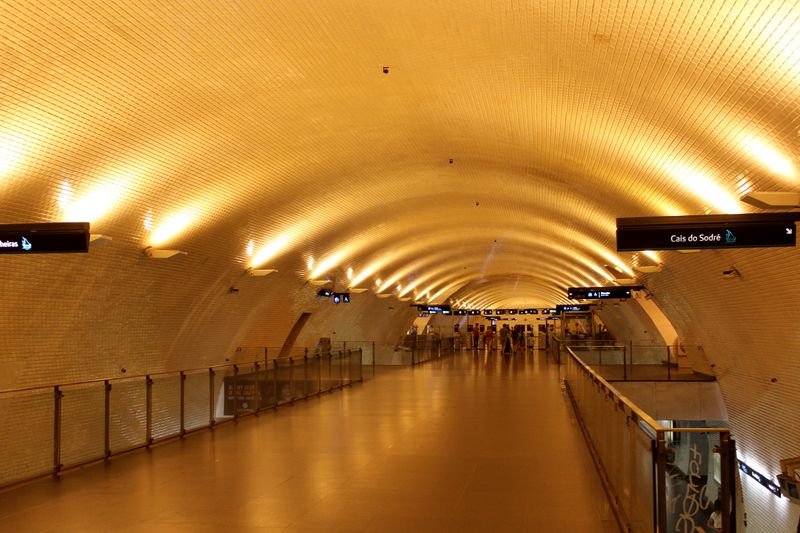
The distance from the terminal to central districts is small, and it is served by the metro as well as by road, so the journey is measured in minutes.
That removes the airport transfer that dominates arrival in most comparable cities, where a rail link of forty minutes or more is normal.
It also makes a short stay practical, since the time cost of getting to and from the aircraft is a fraction of what it usually is.
The site was on the edge when it was built
The airport was laid out when the area around it was open ground beyond the built city, which was the standard siting decision of the period.
The city then grew around and past it, so housing that was built later now sits directly under approach and departure paths.
This is a very common pattern internationally, and it produces the same conflict everywhere: the airport was there first, and the neighbours arrived afterwards.
Noise is the daily consequence
Aircraft on approach are low over residential districts, and the noise is concentrated along the flight path rather than spread evenly around the site.
Restrictions on night movements limit the worst of it, but they also cap capacity, which is where the operational and residential interests collide directly.
Residents under the path adapt in the usual ways, with heavier glazing and a learned inattention, but the constraint on the airport is permanent.
Expansion is physically blocked
An airport surrounded by city cannot add runways or extend terminals outward, because the land is built on and buying it would be prohibitive.
Growth therefore has to come from using the existing runway more intensively, which runs into the same noise and safety limits.
That is why the question of a second airport site has been a long-running national discussion rather than a straightforward planning decision.
What it means practically
Allow less transfer time than you would elsewhere, but not less time at the terminal, since the airport handles a heavy passenger load for its footprint.
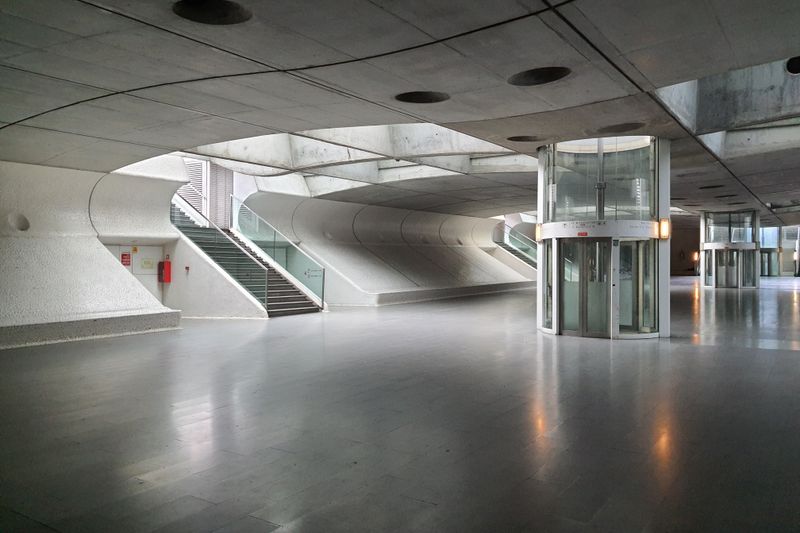
The metro connection is reliable and cheap but involves stairs and changes, which matters with luggage in a city already unkind to wheels.
Arriving late at night, check what is still running, because the transport options thin considerably after the last metro even though the distance is short.
Questions readers ask
Should I bring a wheeled case?
A backpack or carryable bag works far better here. Wheels struggle on cobbles, steps and gradients, and they are loud at night.
How do I know if there is a lift?
Ask the host directly before booking. A large share of older buildings have none, and floor numbering may add a flight you did not expect.
Also by Inês Carvalho
- How to order coffee in Lisbon without overthinking itCafés & Coffee
- The hills are the transport systemPracticalities
- Sintra in a day, done properlyDay Trips
- What catches visitors outPracticalities