Practicalities
Crowd pickpocketing is a situation, not a place
It happens where people are packed together and distracted, which is a description of a moment rather than a neighbourhood. That distinction is the useful one.

Most explanations of pickpocketing stop at the point where it starts to matter. This one carries on.
The short version
- Crowding plus distraction is the condition, not any particular district.
- Boarding and alighting are the highest-risk moments on transport.
- Where you carry things matters more than what you carry.
What the actual condition is
Pickpocketing requires close physical proximity and a moment where the victim's attention is elsewhere, and both must occur together. That combination is produced by crowded transport, packed viewpoints, ticket queues and busy pavements, regardless of which district they are in. A quiet street in a supposedly rough area presents almost no opportunity, while a packed vehicle anywhere presents a great deal.
Framing it as a neighbourhood problem leads people to relax in exactly the situations where the risk is highest. The city is generally safe for personal violence by international standards, and this is an opportunistic property crime rather than a threat to people.
The specific moments
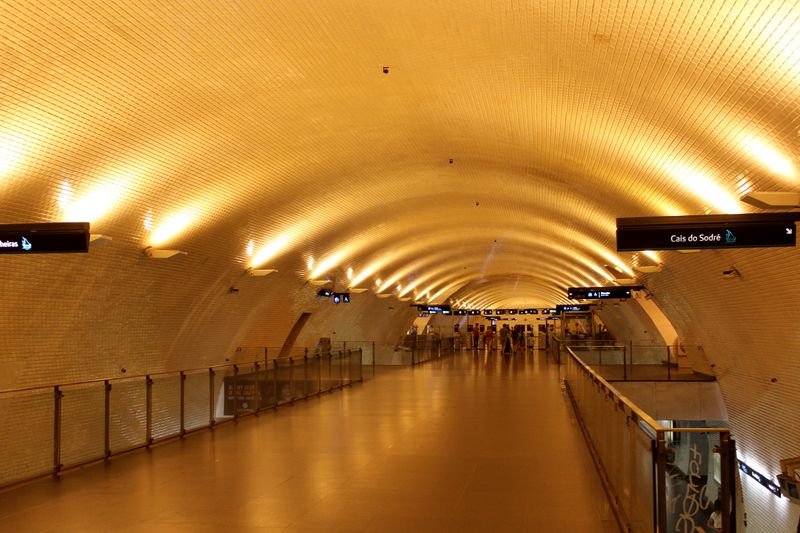
Boarding and alighting from crowded vehicles is the classic moment, because everyone is pressed together and everyone is moving. The doors closing creates a natural deadline, which is used to separate a person from a bag at the moment they cannot follow.
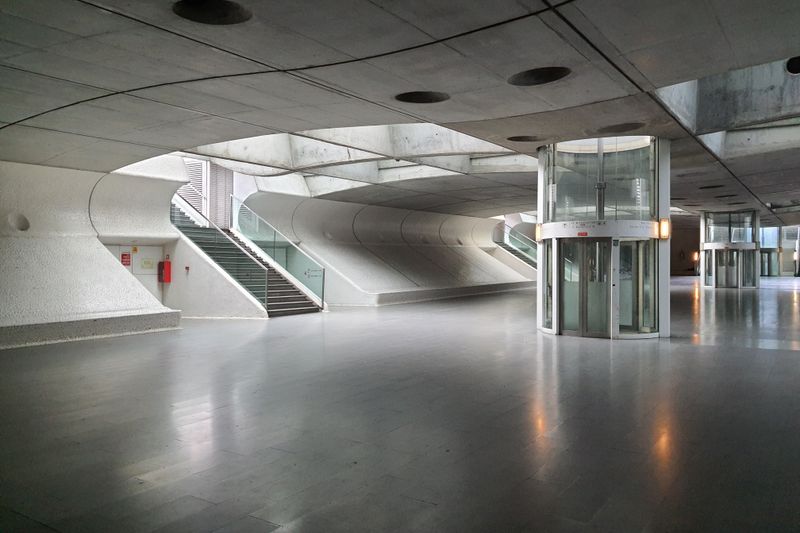
In practice, escalators and stairways concentrate people into a line where someone standing directly behind you is entirely unremarkable. Photograph-taking at viewpoints is the other reliable condition, since a camera occupies both hands and all attention. Any staged distraction, from a dropped item to a question to a spilled drink, should raise attention rather than lower it.
Carrying things sensibly
A bag worn on the back in a crowd is a bag you cannot see, which is the single most common preventable mistake. Moving a backpack to the front on crowded transport is unremarkable behaviour here and residents do it routinely. A phone in a back pocket or a loose jacket pocket is the easiest possible target and is worth simply not doing.
Splitting cards and cash between two places means a single loss is inconvenient rather than a ruined trip. Nothing about this requires special equipment; it is entirely about where things sit on your body.
Proportion, and not overcorrecting
It is worth stating plainly that most visitors have no problem at all, and that anxiety is a poor use of a trip. Money belts and constant vigilance are not necessary, and they tend to make people conspicuous rather than safe. The behaviours that work are habitual and low effort: bag in front on transport, phone away in crowds, attention up in queues.
Treating the whole city as dangerous is both inaccurate and unpleasant, and it does not reduce risk in the situations that matter.
The correct calibration is ordinary urban awareness applied slightly more firmly in three or four specific situations.
If it happens
Report the loss to the police, because insurance claims and replacement documents generally require a report. Cancel cards immediately, which is faster if you have a note of the numbers stored somewhere other than the phone that was taken.
On an ordinary week, phones can usually be located, locked and wiped remotely, and setting that up before travelling takes minutes. Your consulate or embassy handles replacement travel documents, and knowing where it is saves a bad day getting worse. Do not pursue anyone; the property is not worth the risk and recovery in the moment is extremely unlikely.
Adjust the size of it until it is something you would actually do tired.
Preparing before you go
Photograph your documents and store the images somewhere accessible from another device rather than only on your phone. Carry one card and leave a second somewhere in your accommodation, which turns a theft into an inconvenience. Enable a device passcode and remote wipe, since the data on a phone is worth considerably more than the phone.
In practice, know how your travel insurance handles theft, including whether it requires a report within a set period. Ten minutes of preparation converts the worst realistic outcome into a manageable afternoon.
The takeaway
Crowd plus distraction is the risk. Change your habits in those moments, not your itinerary.
Small and repeatable beats ambitious and abandoned, almost every time.
Questions readers ask
Which areas should I avoid?
Framing it by area is the wrong model. Crowded transport, packed viewpoints and queues are the conditions, wherever they occur.
Do I need a money belt?
No. Keeping a bag in front on crowded transport and a phone out of open pockets does almost all of the work.
Also by Inês Carvalho
- How to order coffee in Lisbon without overthinking itCafés & Coffee
- The hills are the transport systemPracticalities
- Sintra in a day, done properlyDay Trips
- What catches visitors outPracticalities