Practicalities
Getting around with limited mobility, honestly assessed
The city is difficult, unevenly so, and pretending otherwise helps nobody. Some districts are genuinely workable and the difference between them is large.

What follows is the working version of accessibility: the decisions in the order you actually meet them, with the reasoning attached.
Before you start
- Gradient and surface are the two obstacles, and both vary hugely by district.
- Newer districts and the flat lower town are far more workable than the hills.
- Many older buildings have no lift and narrow staircases.
The two real obstacles
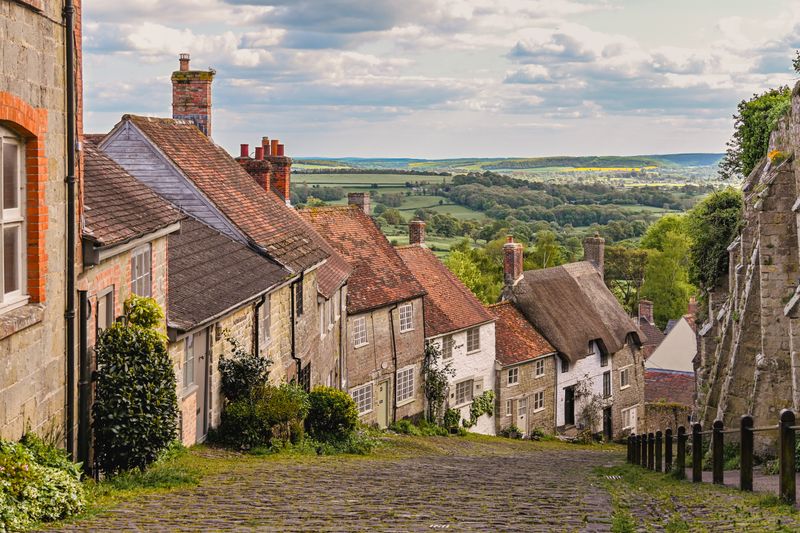
The problems here are gradient and surface, and they combine badly, because the steepest streets are also paved in the most uneven stone. Small polished blocks set by hand produce a surface with constant small joints, which is uncomfortable for wheels and unstable for sticks. Worn sections become slippery, and the camber on old streets is often pronounced, which pulls a chair or a walking frame sideways.
Steps appear without warning at doorways, kerbs and street junctions, and dropped kerbs are inconsistent even on main routes. None of this is uniform, which is the important point: the city is several different places from an access perspective.
Where it is workable
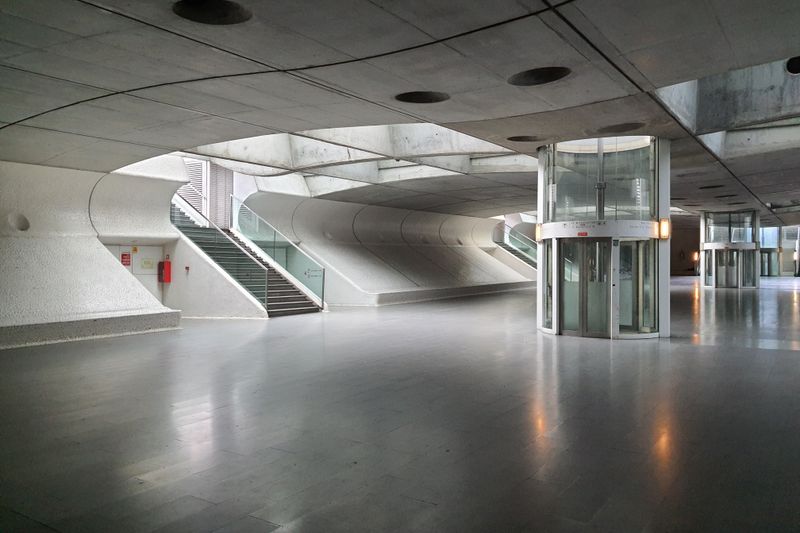
The flat lower town has wide pavements, level ground and a regular grid, and it is genuinely navigable. The eastern riverside district built as a single project is the easiest area in the city, with level access designed in throughout.
For most people, the plateau quarters, once you are up there, are flat and have modern kerbs on many streets. Riverside promenades are long, level and continuous in several stretches and make excellent routes. Choosing accommodation in one of these areas rather than in a hill quarter transforms what a stay is like.
Where it is not
The medieval hill quarters combine steep gradients, staircases as streets and the roughest surfaces in the city. Some lanes are effectively impassable with wheels, and this is a physical fact rather than a matter of determination.
The famous historic trams have steps and narrow doors and are not accessible, whatever their charm. Many viewpoints are reached by stairs, though a number have alternative routes that are not always signposted. Planning to visit these areas by taxi to a specific accessible point, rather than by exploring on foot, is the realistic approach.
Public transport
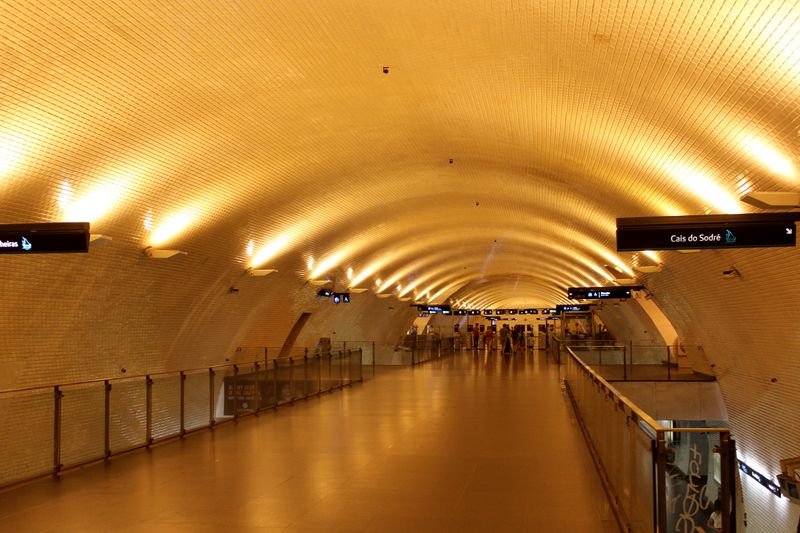
Modern buses and modern trams generally have low floors and ramps, and drivers deploy them routinely. The metro has lifts at many but not all stations, and a route can be blocked by a single station without one. Checking station accessibility before planning a journey is essential rather than optional, since the alternative may be a long detour.
Where it helps most, suburban trains to the coast and the hills vary by station and by rolling stock, so confirming in advance is worthwhile.
Lifts do fail, and having a fallback plan for a journey matters more here than in a flatter city.
Buildings and accommodation
A large proportion of older residential buildings have no lift, and the ones that do often have very small cabins. Floor numbering starts above the ground floor, so a listing may involve one more flight than the number suggests.
In practice, bathroom doors in old flats are frequently narrow, and thresholds are common, which listings rarely mention. Asking specific questions in writing before booking is the only reliable method: lift, door widths, steps at the entrance. Photographs of the entrance and the bathroom door tell you more than any accessibility checkbox on a booking site.
Some of this will suit you and some will not, and that is the point.
Planning a day
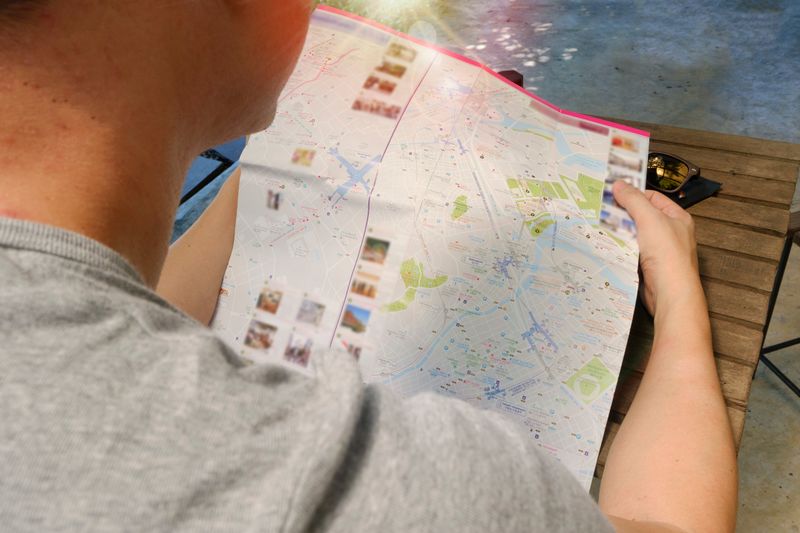
Working out routes that follow contour lines rather than crossing them makes an enormous difference to effort. Terrain and elevation views on mapping tools are the most useful planning aids available and are underused. Building in more rest stops than you would elsewhere is sensible, because the surface makes every distance more tiring.
Taxis and ride services are relatively affordable and are a legitimate part of the plan rather than an admission of defeat. The honest summary is that the city is possible with planning and is genuinely hard without it.
The takeaway
Choose the district first. Everything else here follows from the gradient.
Small and repeatable beats ambitious and abandoned, almost every time.
Questions readers ask
Which districts are easiest?
The flat lower town, the plateau quarters once you are up, and the modern eastern riverside district built as a single project.
Are the historic trams accessible?
No. They have steps and narrow doorways. Modern trams and buses generally have low floors and ramps.
Also by Inês Carvalho
- How to order coffee in Lisbon without overthinking itCafés & Coffee
- The hills are the transport systemPracticalities
- Sintra in a day, done properlyDay Trips
- What catches visitors outPracticalities