Practicalities
How The Night Works When The Metro Stops
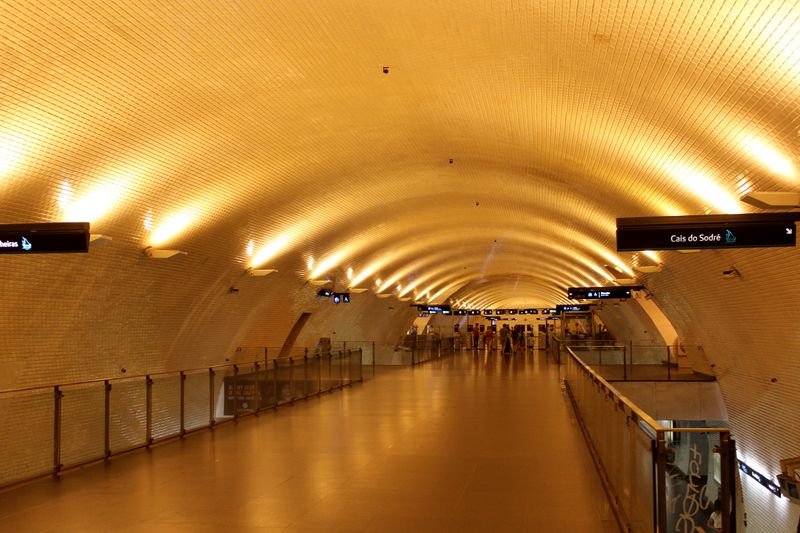
The metro closes before the city does, and the night network of buses, taxis and ride apps operates on different routes, different frequencies and different prices.

The metro shuts earlier than the city's social life ends, which leaves a gap of several hours covered by a different transport system with its own logic.
The closing time is earlier than the evening
Metro services stop around the point when a restaurant meal is finishing and long before bars and music venues close.
The last trains are also busier and less frequent than the timetable suggests, because everyone leaving at that hour converges on the same services.
Missing the last train is common rather than exceptional, which is why the alternatives are worth understanding in advance rather than at one in the morning.
Night buses are a separate network
A set of night bus routes operates after the main network stops, but they do not simply continue the daytime lines.
Routes are consolidated, so a night service may cover the corridor of several daytime lines and take a longer path than the daytime equivalent.
Frequencies are low, often half-hourly or worse, which makes waiting in the wrong place expensive in time and makes the timetable worth checking.
Taxis and apps behave differently at night
Taxi fares include a night tariff, and app-based services apply demand pricing, so the same journey costs noticeably more after the metro closes.
Availability also tightens at the peak of demand, particularly when venues close and a large number of people request rides simultaneously.
Walking a few streets away from a nightlife area before requesting a ride usually reduces both the wait and the price, because demand is concentrated at the source.
The hills change the calculation
A journey that looks walkable on a map may involve a substantial climb, and the lifts and funiculars that make it manageable by day are not running.
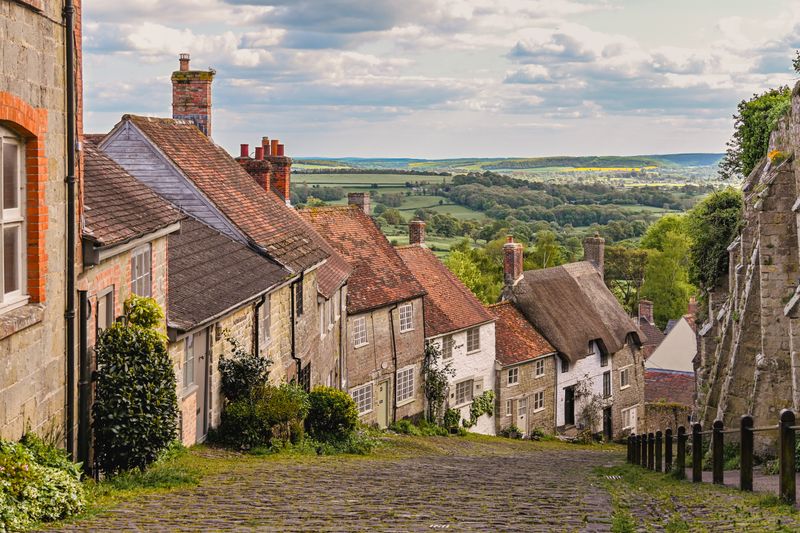
Pavements are also slippery, particularly after rain, and the traditional stone paving is at its most treacherous on a steep descent at night.
Choosing a route along a valley street rather than straight over a hill is slower on paper and usually faster in practice.
The ferries and trains have their own last services
River crossings run their own timetables, with the last departures earlier than people expect and considerably earlier on some routes than others.
Suburban trains likewise stop at a fixed point, and anyone living outside the city is effectively committed to that departure or to a long taxi fare.
Knowing your own last service, rather than the general last metro, is the piece of information that actually governs the end of an evening.
Questions readers ask
Should I bring a wheeled case?
A backpack or carryable bag works far better here. Wheels struggle on cobbles, steps and gradients, and they are loud at night.
How do I know if there is a lift?
Ask the host directly before booking. A large share of older buildings have none, and floor numbering may add a flight you did not expect.
Also by Inês Carvalho
- How to order coffee in Lisbon without overthinking itCafés & Coffee
- The hills are the transport systemPracticalities
- Sintra in a day, done properlyDay Trips
- What catches visitors outPracticalities