Living There
What A Long Stay Costs Beyond The Rent
The advertised rent is a fraction of what a year here costs, once condominium charges, utilities in an uninsulated building, transport, health cover and admin are counted.

Budgets built on advertised rents are consistently wrong here, and usually in the same direction. The additional costs are predictable, and most of them are not obvious from a listing.
The rent may not include the building charges
Whether the condominium contribution is included depends on the contract, and in some lettings it is passed to the tenant explicitly.
Where a building has a lift, a porter or ongoing works, that contribution is not trivial and can change during the tenancy.
The lease should say plainly which charges belong to whom, and an unclear answer at viewing stage is worth pressing on before signing.
Utilities behave differently in an old building
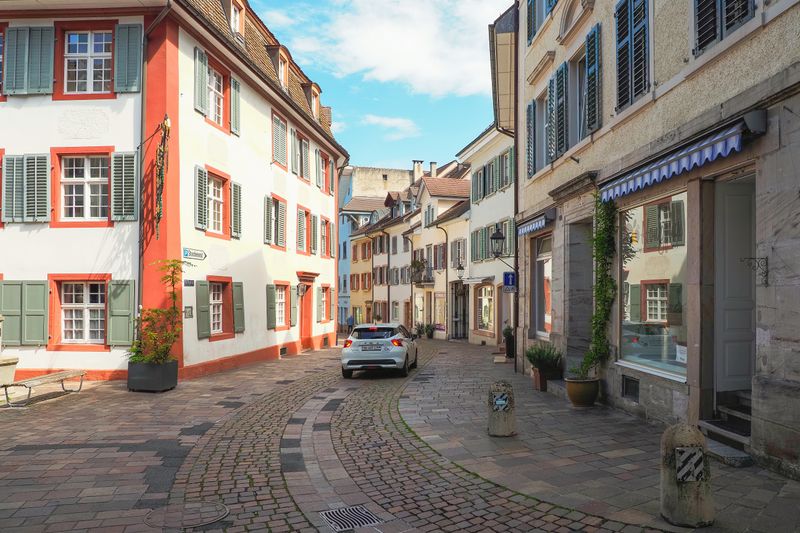
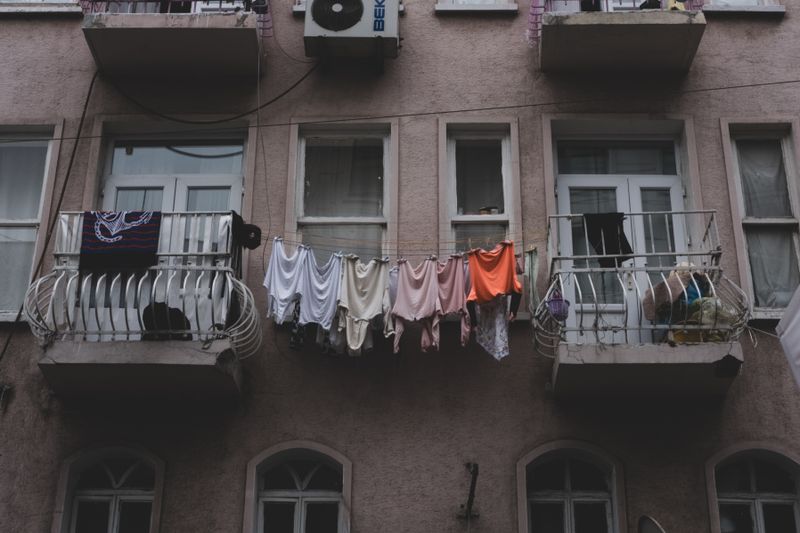
Older flats are largely uninsulated, with single glazing and no central heating, so winter heating is done by individual electric or gas appliances.
That makes winter electricity or bottled gas bills far higher than the mild climate suggests, and the effect is concentrated into a few months.
Water, waste charges and a standing charge on each utility also appear regardless of consumption, so a small flat does not mean small fixed costs.
Setting up costs land at the start
A tenancy usually requires a deposit and rent in advance, and often a guarantor or additional months where income cannot be evidenced locally.
Connecting utilities, telecoms and internet involves contracts, sometimes installation fees, and frequently a minimum term.
Furnishing follows, and in a building without a lift that includes delivery and hoisting costs that would not exist elsewhere.
Health cover and admin are recurring
Depending on status, health provision may come through the public system, through an employer, or through private insurance bought individually.
Residency processes carry their own fees, and documents need renewing on cycles that do not align, so there is a slow drip of administrative cost.
Certified translations and document copies add up during the first year in particular, and then fall away sharply.
Where the savings actually are
Everyday costs are genuinely lower than in most western European capitals: eating out, coffee, public transport and local produce among them.
Not owning a car is the single largest structural saving available, and the city is one of the easier capitals in which to manage without one.
The realistic summary is a city where daily life is cheap and housing is not, which is why the annual figure surprises people in both directions.
Questions readers ask
Should I avoid visiting in August?
It is hot, crowded and partially closed. It is also alive in a particular way and has the longest evenings. If you have a choice, September and May are easier.
How do I know if a place will be closed?
Notices go up on the door a week or two ahead. Asking directly in July is the only reliable method for a small business.
Also by Inês Carvalho
- How to order coffee in Lisbon without overthinking itCafés & Coffee
- The hills are the transport systemPracticalities
- Sintra in a day, done properlyDay Trips
- What catches visitors outPracticalities