Living There
The tourism argument, without picking a side
Lisbon has a real and unresolved tension about visitors, and understanding it is more useful than feeling guilty about it.
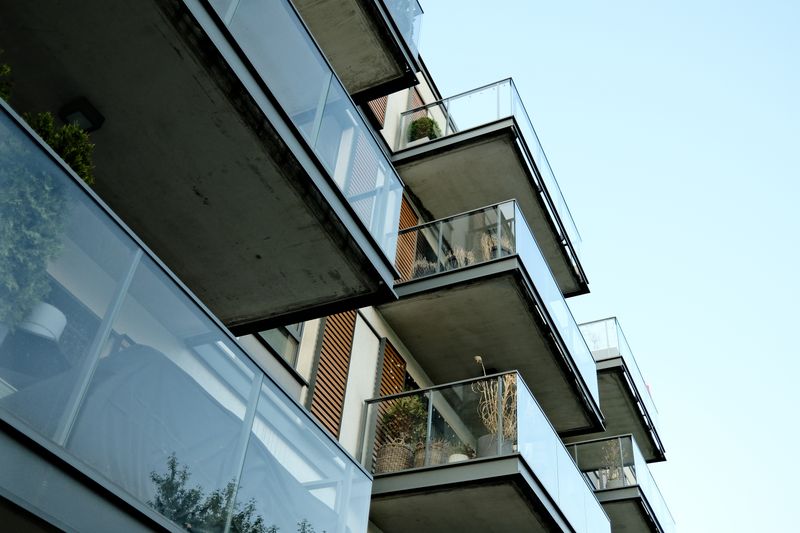
Everything below about the tourism tension comes from what actually happens rather than from what is supposed to.
What holds up in practice
- Tourism is a major employer and a major source of pressure at the same time.
- The pressure is concentrated in a small number of central neighbourhoods.
- The debate is about distribution and regulation, not about whether visitors should come.
Two true things at once
Tourism supports a very large number of jobs in the city and brought investment into a fabric that was decaying badly. It has also pushed rents up in central neighbourhoods and displaced long-standing residents and businesses.
Both of these are documented and neither cancels the other out. Most local disagreement is about how to manage the trade-off rather than about which fact is true.
The geography of the pressure
The strain is concentrated in a handful of central quarters rather than spread across the city. A few streets carry an enormous share of the visitor volume while districts twenty minutes away carry almost none.
In practice, that concentration is what makes the effect on those specific neighbourhoods so severe. It is also why spreading footfall outward is one of the few things an individual visitor can actually affect.
Housing is the sharp end
Conversion of long-term flats to short-term letting reduced the rental supply in exactly the areas under most pressure. Regulation has been introduced, revised and partly reversed several times, and the current position changes. Rising rents also have causes unrelated to tourism, including construction rates, interest rates and wage levels.
Attributing the entire housing problem to visitors is as inaccurate as denying tourism plays a part.
What actually annoys residents
Late noise in residential streets, luggage wheels at three in the morning and behaviour in stairwells come up far more than visitor numbers. The complaints are usually about specific conduct rather than about the presence of foreigners. Neighbourhoods that receive respectful visitors and neighbourhoods that receive stag parties have very different opinions.
This distinction is worth taking seriously because it is the part you control.
Where the money goes
Spending in a chain on a central square and spending in a family café three streets uphill have very different local effects. Short stays concentrated on the same six recommendations produce concentrated pressure. A visitor who eats in a residential neighbourhood is not solving anything structural, but the money lands differently.
In practice, nobody should pretend this is activism; it is simply a better distribution of the same spending.
Avoiding the two easy positions
The romantic position treats every new business as an invasion and every old one as sacred, which is not how cities work. The dismissive position treats residents complaining about their own neighbourhood as ungrateful, which is worse. Portugal is a democracy having a live argument about a real policy question with genuine trade-offs.
Visiting thoughtfully does not require adopting a side in it.
Not every visitor weighs the same
A day arrival who walks one route, buys a sandwich and leaves puts pressure on exactly the same streets as an overnight visitor while contributing far less to the businesses standing on them. Longer stays spread across more days, more districts and more kinds of business, which is why length of stay recurs in the policy argument as often as total numbers do.
Put simply, seasonality does similar work, because the strain is a summer phenomenon in streets that are perfectly liveable in February, and services have to be sized for the peak rather than the average. None of that makes any individual a problem, but it explains why the debate keeps returning to when people come and how long they stay rather than simply to how many arrive.
The takeaway
Spread your money, keep the noise down after midnight, and skip the guilt.
Pick the one that costs you least, and let the rest wait.
Questions readers ask
Should I feel bad about visiting?
No. Tourism is legal, welcomed by many and a large part of the economy. How and where you behave matters more than whether you come.
Is there an anti-tourist movement?
There are residents groups campaigning on housing, noise and licensing. Framing that as hostility to individuals misreads what they are actually asking for.
Also by Inês Carvalho
- How to order coffee in Lisbon without overthinking itCafés & Coffee
- The hills are the transport systemPracticalities
- Sintra in a day, done properlyDay Trips
- What catches visitors outPracticalities