Living There
Owning A Car Here Is Mostly A Parking Problem
Running a car in Lisbon is less about driving than about storage, because the older districts were built before cars and residents compete for a fixed number of spaces.

The difficulty of keeping a car in this city is not the traffic. It is that the streets were laid out before cars existed and the number of places to leave one is fixed.
The street layout predates the vehicle
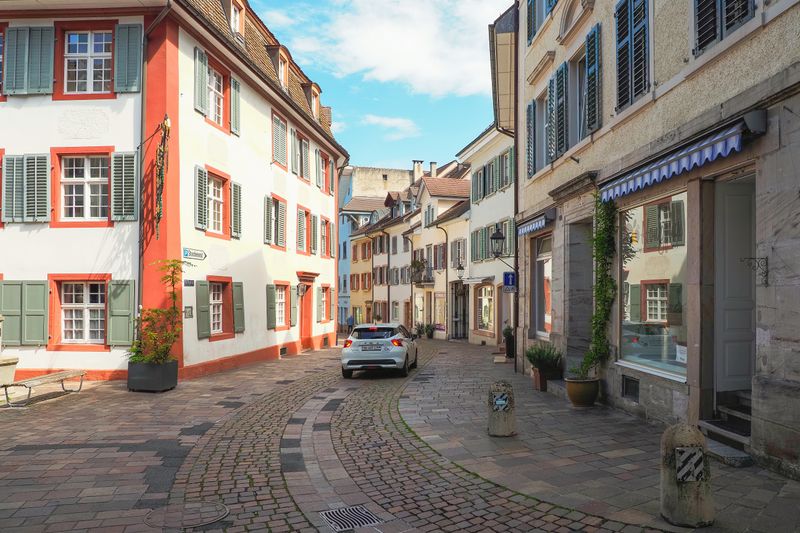
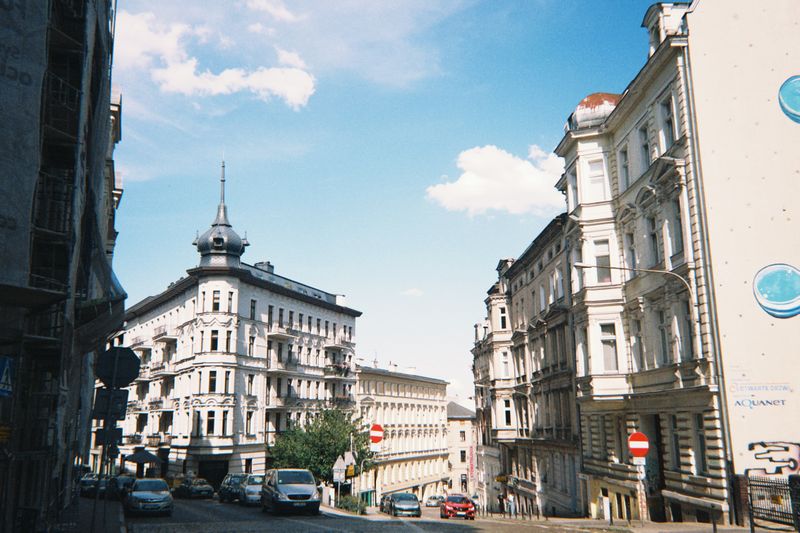
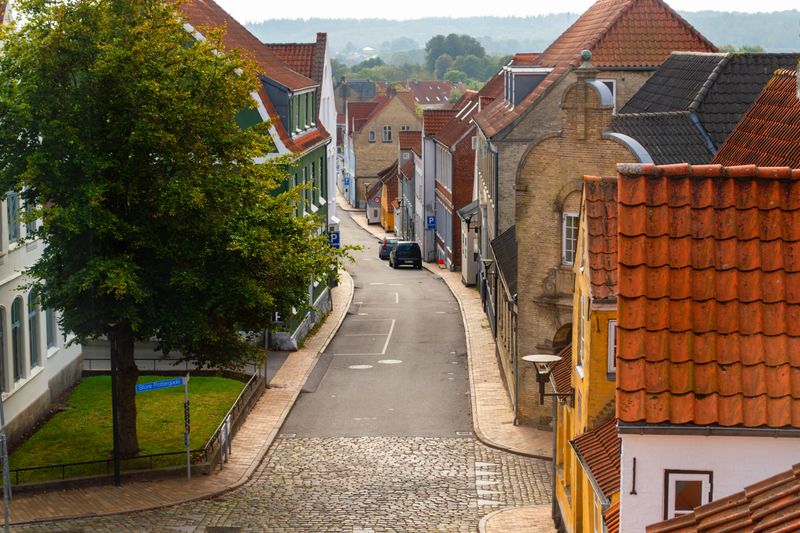
Older districts have narrow streets, no setbacks, no garages and steep gradients, none of which were designed with parking in mind.
Kerbside space is therefore the entire supply in those areas, and it cannot be expanded without removing pavement or through-traffic.
Newer districts built in the last century have more provision, which is one of the practical reasons families with cars move to them.
Resident permits ration the supply
Municipal schemes give residents a permit to park in their own zone at a low annual cost, with visitors and non-residents paying by the hour.
Permits do not guarantee a space. They give the right to compete for one, and in dense zones the number of permits exceeds the number of places.
Which is why residents in some districts return home and circle, or park at a distance and walk, as a routine part of the evening.
Private garages are a separate market
Garage spaces are bought and rented independently of flats, and in central districts the monthly cost is a meaningful fraction of a rent.
Older buildings converted to include parking are rare, so supply is concentrated in newer construction and in commercial car parks.
A flat advertised with a parking space is priced accordingly, and the space is usually the reason for a noticeable premium.
The alternative is genuinely viable
The combination of metro, buses, suburban rail, ferries and a walkable centre means many residents manage without a car entirely.
Occasional needs are covered by car sharing services, rentals and taxis, which together cost far less than ownership for anyone driving infrequently.
The calculation changes for people who leave the city regularly, since the regional rail network is good on its lines and thin between them.
Costs beyond the space itself
Annual vehicle tax, mandatory inspection after a vehicle reaches a certain age, insurance and fuel all sit on top of parking.
Tolls on many motorways are electronic and require a transponder or a registered plate, which is an additional step for a foreign-registered vehicle.
Adding those together against the actual number of journeys is the calculation most new residents eventually do, and it frequently ends with selling the car.
Questions readers ask
Should I avoid visiting in August?
It is hot, crowded and partially closed. It is also alive in a particular way and has the longest evenings. If you have a choice, September and May are easier.
How do I know if a place will be closed?
Notices go up on the door a week or two ahead. Asking directly in July is the only reliable method for a small business.
Also by Inês Carvalho
- How to order coffee in Lisbon without overthinking itCafés & Coffee
- The hills are the transport systemPracticalities
- Sintra in a day, done properlyDay Trips
- What catches visitors outPracticalities