Eating
Why the cooking uses few spices and a great deal of three things
A country that ran the spice trade cooks with restraint. Olive oil, garlic and coriander do most of the work, and the reason is not what people assume.

This is written to be used rather than admired. Each section below is a decision about portuguese seasoning, and each one has a default.
Before you start
- Olive oil is a primary ingredient rather than a cooking medium.
- Garlic, bay and coriander appear across an enormous range of dishes.
- Spices arrived through trade but stayed largely in specific dishes.
Olive oil as an ingredient
Olive oil here is not simply the fat you cook in; it is poured over the finished dish and is a flavour in its own right. Boiled vegetables, grilled fish, salt cod and bread are all finished with a quantity of oil that surprises people from other traditions. The quality difference between cooking oil and finishing oil is understood and acted on, with two bottles in most kitchens.
Regional oils differ noticeably in bitterness and pepperiness, and people have preferences the way they do about wine. Any dish that seems plain on the plate is usually relying on the oil to carry it, which is why skimping ruins it.
Garlic, bay and onion
An enormous share of savoury cooking begins with olive oil, garlic and onion, cooked gently, with bay leaves added early. That base appears under stews, rice dishes, bean dishes and seafood, and it is the reason so much of the cooking tastes recognisably related. Garlic is used generously but is rarely raw and rarely burnt, which keeps it sweet rather than aggressive.
The useful part is this: bay is used far more heavily than in most northern European cooking and is one of the quiet signatures of the whole cuisine. Learning that one base is most of what is needed to cook the everyday food of this country at home.
Coriander, which divides people
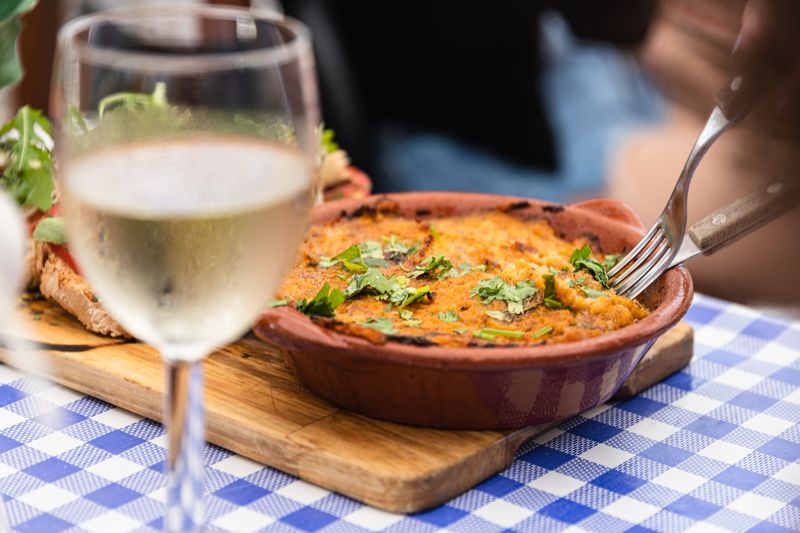
Fresh coriander is used abundantly in the south of the country, in seafood, bean dishes and bread soups. Its prominence here is unusual within Europe and is one of the clearest markers distinguishing this cooking from its neighbours. Parsley substitutes in the north and in some households, and the two are not considered interchangeable by anyone who cares.
Because a proportion of people find coriander soapy for genetic reasons, this is one ingredient worth mentioning when ordering. A dish described as being made in the southern style will very often contain a great deal of it.
Where the spices went
The country was central to the historical spice trade, which makes the restraint of the everyday cooking genuinely counterintuitive. The usual explanation is that spices were valuable export goods rather than domestic staples, and cheap local ingredients fed people. Where spices did enter the cooking, they concentrated in specific dishes and in sweets rather than spreading across everything.
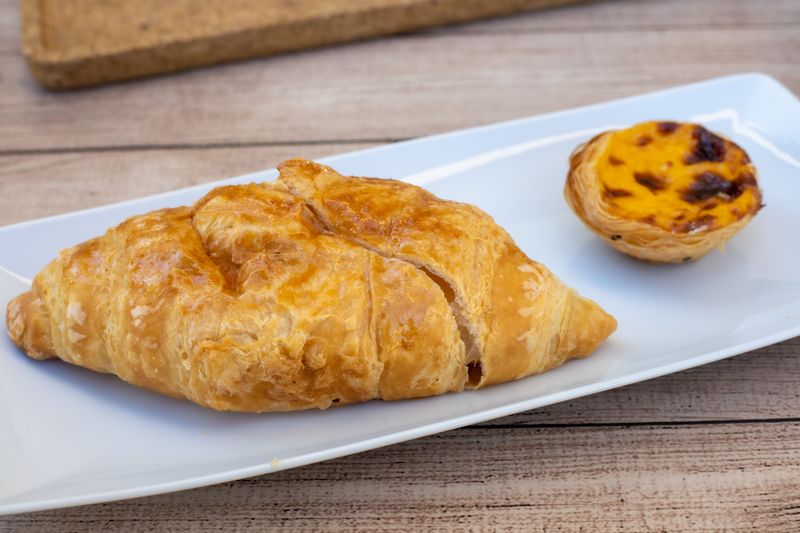
On an ordinary week, cinnamon on desserts, cloves in certain stews and black pepper as a general seasoning are the main survivors.
Colonial and post-colonial connections later brought whole cuisines into the cities, but those sit alongside the traditional cooking rather than inside it.
Heat, and where it comes from
Chilli arrived through the same trade routes and settled into a small number of preparations rather than into general use. The small hot pepper sauce familiar to visitors is used as a condiment on grilled chicken and seafood rather than cooked into dishes.
For most people, most traditional cooking is not hot at all, and expecting heat leads to disappointment or to over-ordering condiments. Sweet paprika, by contrast, is used widely and gives colour and depth to sausages, stews and marinades. Distinguishing between paprika-driven warmth and actual chilli heat clarifies a great deal about what is on a plate.
Why restraint works here
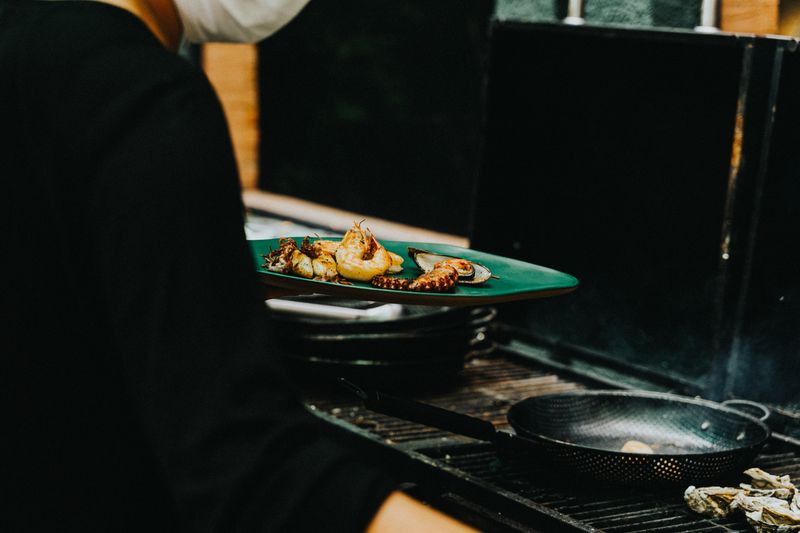
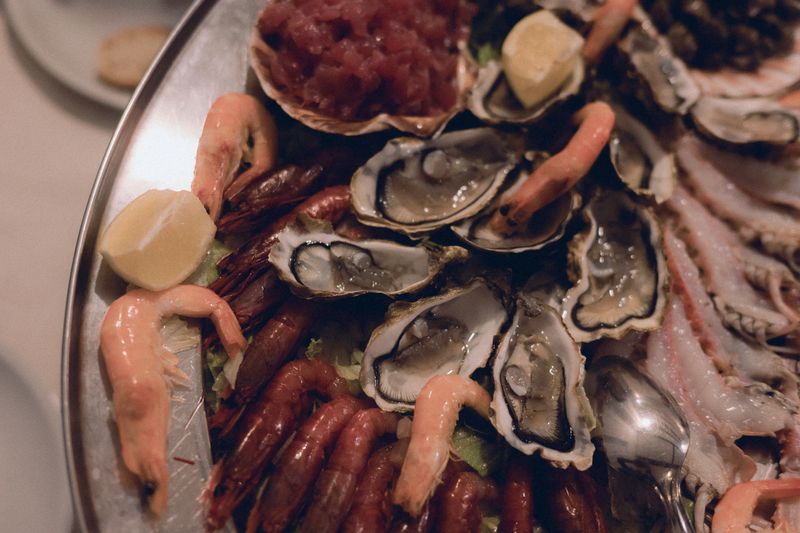
When the raw material is very good, the cooking that shows it off is the cooking that adds least, which is the logic throughout. Fish landed that morning, salted and grilled over charcoal, needs oil and lemon rather than a sauce. This makes the cuisine unforgiving of poor ingredients, which is why a bad version of a simple dish is genuinely bad.
It also makes it easy to reproduce at home, since the technique is rarely the difficult part. Judging it against cuisines built on layered spicing misses what it is doing, which is getting out of the way.
The takeaway
Oil, garlic, bay, and good raw material. Add less and it tastes like more.
Pick the one that costs you least, and let the rest wait.
Questions readers ask
Is the food spicy?
Generally not. Heat lives in a few condiments used with grilled meat and seafood, not in the everyday cooking.
Why so much olive oil?
It is treated as a flavour rather than a cooking medium, and it is what carries dishes that are otherwise deliberately plain.