Cafés & Coffee
Crema tells you less than it looks like it does
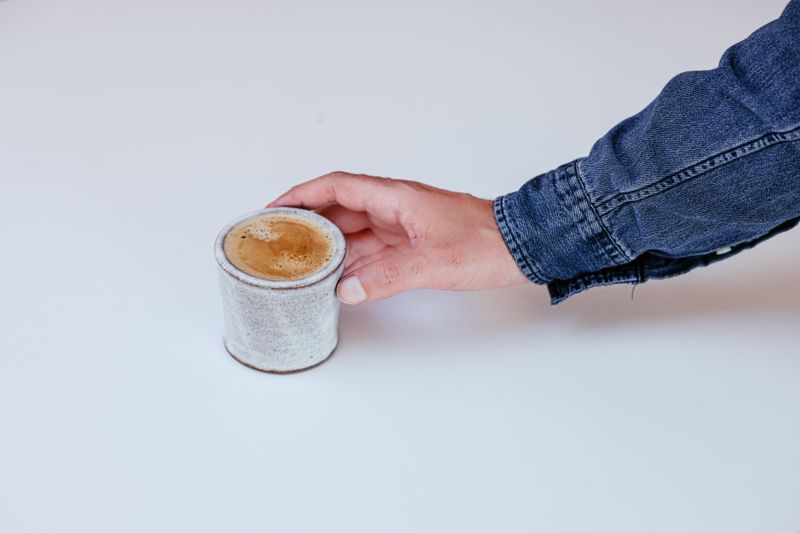
The foam on an espresso is carbon dioxide in an emulsion, and reading it as a quality mark leads people astray.

This is written to be used rather than admired. Each section below is a decision about crema, and each one has a default.
Before you start
- Crema is dissolved carbon dioxide forced out of solution under pressure.
- Robusta and very fresh beans both produce more of it.
- Thick crema is compatible with a badly extracted shot.
What it physically is
Roasting leaves carbon dioxide trapped in the bean, and espresso pressure dissolves it into the water. When the shot hits atmospheric pressure in the cup, that gas comes out of solution as fine bubbles.
Coffee oils and fine particles stabilise those bubbles into a persistent foam. It is a physical consequence of pressure and freshness rather than a mark of skill.
What makes more of it
Very fresh beans, still degassing heavily, produce abundant crema regardless of how well the shot is pulled. Robusta content raises it further, which is one reason traditional blends here crown so thickly.
The useful part is this: darker roasts release more gas and more surface oil, both of which help. So the thickest crema in a city can easily sit on the least interesting coffee in it.
What it does to the taste
Crema on its own is bitter and slightly astringent, which anyone who has tasted it separately can confirm. Stirring it into the shot integrates that bitterness and makes the first sip less aggressive. Left to sit, it collapses within a couple of minutes and the drink changes character.
Sugar poured on top will sink through it, which is why the sachet-and-stir habit works as it does.
What it does tell you
A shot with essentially no crema usually means very stale coffee or a badly broken extraction. Large, pale bubbles collapsing instantly suggest channelled water rather than an even flow. A pale, blond flow arriving early means the shot has run too fast and will taste thin.
These are useful negative signals; the positive ones are much weaker than people assume.
Colour reads roast, not quality
A deep red-brown crema tends to indicate a dark roast, robusta content, or both. A thin hazelnut crema is typical of a light single-origin arabica and is not a fault. Judging the second by the standards of the first is the most common misreading.
Tasting is the only test that resolves it.
The tiger stripe myth
Streaked, mottled crema is often presented online as proof of a perfect shot. It correlates loosely with an even flow and a fresh, oily coffee, and it is easy to produce with mediocre beans.
For most people, photographs of espresso reward appearance because they cannot transmit taste. Trust the cup, not the picture of it.
If that does not fit your week, it is not a failure of willpower.
Too fresh is a problem of its own
Beans within a few days of roasting are still venting carbon dioxide hard, and that gas pushes back against the water as it passes through the puck, which disrupts the flow and produces an uneven shot under a very impressive head of foam. This is why roasters print a rest period rather than urging you to brew the day the bag arrives, and the window is generally shorter for dark roasts, which have already lost more of their gas in the drum. A shot that gushes from one side of the basket while the other stays pale is channelling, and heavy degassing is one of the ordinary causes of it in an otherwise well-prepared basket.
Where it helps most, the useful test is to pull the same coffee across a fortnight and notice where it stops tasting sharp and starts tasting settled, which is something a roast date cannot tell you on its own.
The takeaway
Thin crema can flag a problem. Thick crema proves almost nothing.
Small and repeatable beats ambitious and abandoned, almost every time.
Questions readers ask
Should I stir the crema in?
Generally yes. Left on top it is the bitterest part of the drink, and stirring gives a more even cup.
Why does my home machine make so little crema?
Usually stale or pre-ground coffee, or a pressurised basket compensating with a mechanical foam. Fresh beans and a real basket change it immediately.
Also by Helena Sá
- Alfama, Graça and the difference two streets makeNeighbourhoods
- Roast level is a decision about acidity, not about strengthCafés & Coffee
- Why the same beans taste different in two cafesCafés & Coffee
- Portuguese espresso is not a smaller Italian oneCafés & Coffee