Practicalities
Shade is infrastructure, and it moves all day
In summer the difference between a pleasant walk and a miserable one is which side of the street you are on. That is a route-planning decision, not luck.

What follows is the working version of summer shade: the decisions in the order you actually meet them, with the reasoning attached.
Before you start
- Street orientation determines when a street has shade at all.
- Stone and pale surfaces radiate heat back long after the sun moves.
- Narrow old lanes stay cooler than wide modern avenues.
Orientation decides everything
A street running roughly north to south gets sun down its length in the middle of the day and shade on one side morning and evening. A street running east to west has one side permanently shaded in summer, which makes it usable all day.
That means the useful question in summer is not how far a route is but which way the streets run. Walking a slightly longer route that keeps you on shaded sides is comfortably faster in practice, because you do not need to stop. Once you start noticing orientation, planning a summer route takes seconds and transforms the middle of the day.
Why narrow lanes are cooler
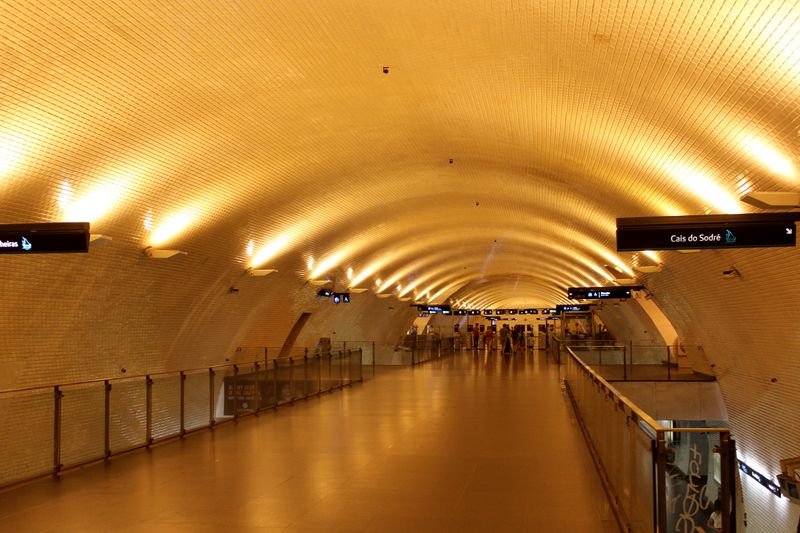
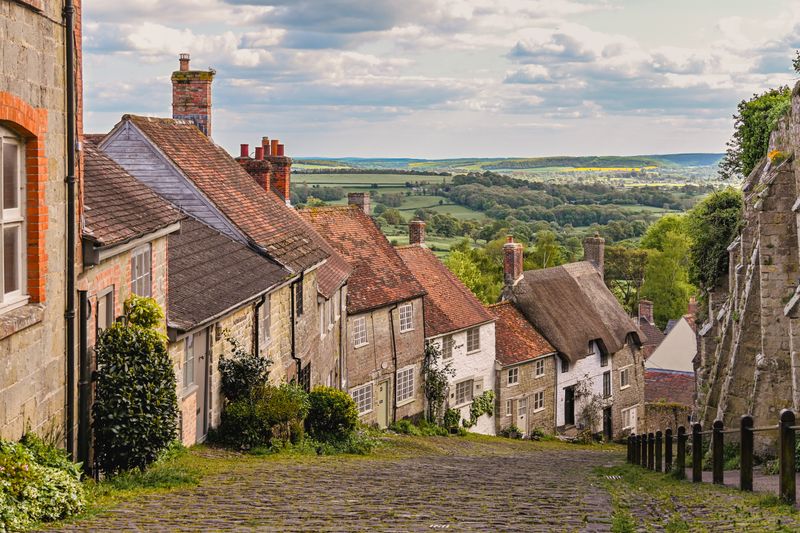
A narrow street with tall buildings admits direct sun for only a short period each day, so the surfaces never fully heat up. Air moving along such a lane is channelled and stays in shadow, which is why old quarters feel cool in a way avenues do not. Wide avenues admit sun to the full width of the carriageway and the pavements, and the heat accumulates through the day.
Put simply, trees on avenues compensate substantially, which is exactly why the great avenues were planted with them. This is why the medieval parts of southern cities are more comfortable in August than the nineteenth-century extensions.
Stone remembers heat
Pale stone and tile absorb heat all day and release it into the evening, which is why the streets stay warm after sunset. That thermal mass is why an old apartment can be hotter at midnight than at midday, with the walls radiating inward. Reflected light off pale surfaces also raises the perceived temperature and produces glare that is genuinely tiring.
In practice, water on stone in the evening cools streets noticeably, which is the reason for the old habit of hosing down a doorway. Understanding the delay between sun and heat explains why the hottest hours here are later in the afternoon than people expect.
Where the reliable shade is
Colonnades, arcades and covered passages are the most reliable shade because they work regardless of the sun's position. Churches and old buildings with thick walls hold cool air and are legitimate places to stop for a few minutes.
Where it helps most, parks with mature trees are dramatically cooler than open squares, and the difference is far larger than most people assume. North-facing slopes and streets that fall away from the sun keep shade longer and are worth learning in a neighbourhood.
Riverside walks are exposed and often have less shade than the inland streets, despite the water suggesting otherwise.
Timing the day
The traditional response to summer heat here is to do things early, stop in the middle of the day and resume in the evening. That is not laziness; it is the correct response to a climate where the afternoon is genuinely hostile to activity. Museums, churches and indoor spaces are best used in the hours when being outside is unpleasant.
Evening is when the city is most alive in summer, and planning to be out late rather than early is the local pattern. Fighting this schedule produces exhaustion and a worse experience, which is the most common summer visiting mistake.
Practical protection
A hat with a brim does more than any other single item, because most of the load arrives on the head and shoulders. Carrying water and refilling from public fountains where available is straightforward and removes the need to buy constantly. Light long sleeves are cooler than bare arms in strong sun, which is counterintuitive and is what people in hot climates do.
Heat illness builds gradually and the early signs are subtle, so stopping before you feel bad is the correct policy. Anyone unwell in the heat should get out of the sun, take fluids, and seek medical help if symptoms do not resolve quickly.
The takeaway
Pick the shaded side and the narrow street. It is worth more than walking faster.
Pick the one that costs you least, and let the rest wait.
Questions readers ask
Why is the old city cooler than the avenues?
Narrow lanes with tall buildings admit sun briefly, so surfaces never fully heat. Wide avenues take sun all day and store it.
When is the hottest part of the day?
Later than most people expect. Stone absorbs heat through the day and releases it, so mid to late afternoon and early evening are the worst.
Also by Nuno Aguiar
- The coast is closer than people thinkDay Trips
- Reading the landscape from a train windowDay Trips
- Visiting wine country without a carDay Trips
- The dozen words that cover orderingPracticalities